
Blooming
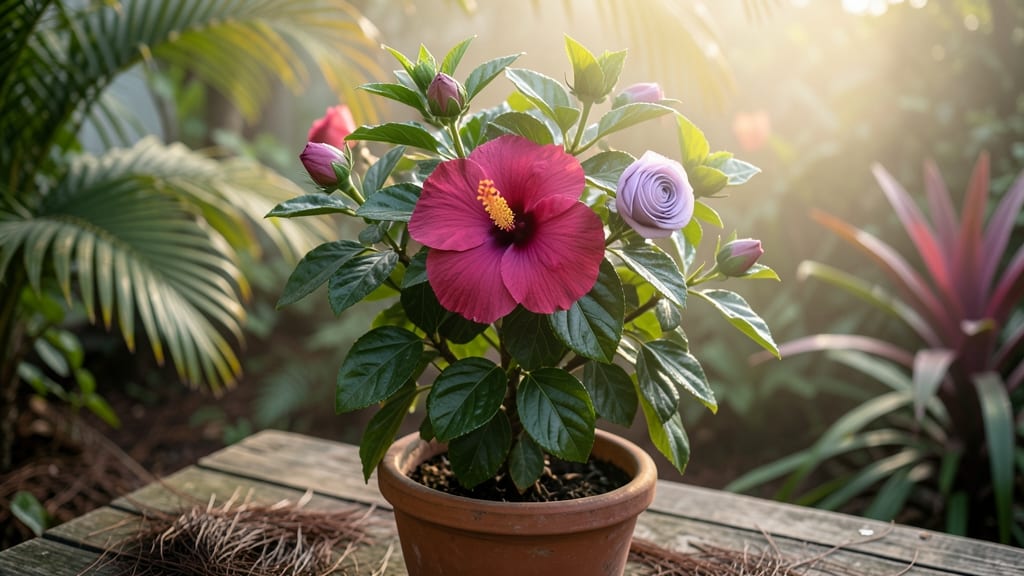
Double bloom hibiscus plants turn my summer garden into a nonstop floral spectacle—each stem packed with two oversized blooms instead of one. 🌸 The secret lies in their cold-hardy varieties that shrug off frost and rebloom like they're made of tougher stuff than regular hibiscus.
These aren't your grandma's hibiscus—they're the showstoppers with two layers of petals per bloom, creating that lush, layered look you see in nursery photos. The key to getting them to perform? Pruning at the right time, feeding them properly, and protecting them from late frosts that single-bloom varieties can't handle.
By fall, you'll have stems heavy with buds ready to burst open again, even after a light frost. The blooms stay vibrant longer too, thanks to their thicker petal layers that resist heat stress better than single blooms. Works for zones 7-11, with proper winter protection even in colder areas.
Here's how to coax maximum blooms from these floral powerhouses—no green thumb required.
📚 In This Guide
- What you need
- Instructions
- Tips and common mistakes
- Wrapping up and next steps
What you need
- ● Double Bloom Hibiscus Plants: 1–3 cold-hardy varieties (e.g., Hibiscus moscheutos ‘Lady Baltimore’ or ‘Southern Belle’). Choose bare-root or potted plants from a reputable nursery.
- ● Well-Draining Soil: 5–10 lbs of a mix of garden soil, compost (2–3 lbs), and perlite or sand (1–2 lbs) to improve drainage.
- ● Organic Fertilizer: 5–10 lbs of a balanced, slow-release fertilizer (10-10-10 or 5-5-5) or a hibiscus-specific formula.
- ● Mulch: 2–3 inches of organic mulch (straw, pine bark, or shredded leaves) to retain moisture and insulate roots.
- ● Garden Gloves (1 pair) – Protect your hands from thorns and soil.
- ● Trowel or Spade – For digging holes (6–12 inches deep, depending on root size).
- ● Watering Can or Hose – With a gentle spray nozzle for hydration.
- ● Pruning Shears – Sharp, clean shears for trimming dead blooms or shaping plants.
- ○ Stakes or Trellis (Optional) – If growing tall varieties, use 3–4 ft stakes for support.
- ● Sunlight: Full sun (6+ hours daily) for vibrant blooms.
- ● Water Access: Regular watering (1–2 inches per week, more in drought).
- ● Cold Tolerance Zone: Plant in USDA Zones 5–9 for frost-hardy varieties.
- ● Patience: Double blooms may take 1–2 seasons to reach full potential!
Step-by-step instructions for planting and caring for double bloom hibiscus
Here’s how to coax those stunning double blooms year after year—even through chilly seasons.
🌱 Step 1: Choose the Right Location for Cold-Hardy Varieties
Double bloom hibiscus thrives in full sun (6-8 hours daily), but cold-hardy varieties need shelter from harsh winds. I always plant mine near a south-facing wall or fence where they catch afternoon warmth. The key is finding a spot that gets morning sun and afternoon shade in summer—this prevents leaf scorch while keeping blooms vibrant.
Dig a hole twice as wide as the root ball but only as deep. Cold-hardy hibiscus roots spread wide, not deep, so burying too deep suffocates them. Amend the soil with 2 inches of compost mixed into the bottom of the hole. This ensures good drainage while retaining moisture—critical for frost survival.
💧 Step 2: Plant and Water Deeply for Frost Resilience
Remove the plant from its container and loosen any circling roots gently with your fingers. Place it in the hole so the top of the root ball sits 1 inch above ground level. This prevents water from pooling around the stem, which causes rot in winter. Backfill with native soil mixed with 1/3 compost, tamping lightly as you go.
Water immediately after planting with 2 gallons of water per plant, letting it soak in completely. You’ll know it’s right when water drains out the bottom of the hole. Mulch with 3 inches of shredded bark or straw around the base (but not touching the stem). This insulates roots during frost while keeping soil temperatures stable.
☀️ Step 3: Feed and Prune for Continuous Double Blooms
Cold-hardy hibiscus blooms best with balanced fertilizer (10-10-10) applied in early spring and again after the first flush of flowers. I use 1/2 cup per plant mixed into the soil around the drip line. Too much nitrogen makes leaves overgrow at the expense of blooms—what you want are bold, double-layered flowers, not foliage.
Prune in late winter or early spring before new growth starts. Cut back 1/3 of the oldest stems to encourage fresh growth, and trim any dead or crossing branches. This opens up the center of the plant for better airflow, which prevents fungal diseases that can weaken cold tolerance.
⏰ Step 4: Protect from Frost Without Killing the Plant
When temperatures drop below 25°F, cover the hibiscus with a frost cloth or burlap sack secured loosely at the base. Never use plastic—it traps moisture and causes rot. Water deeply before the first frost to ensure roots stay hydrated through winter. In extreme cold (15°F or lower), mound 6 inches of mulch around the base for extra insulation.
Remove covers in the morning so the plant gets sunlight. Watch for new growth in spring—this is your signal that the hibiscus survived. If you see green shoots by mid-April, it’s safe to remove winter protection completely. Cold-hardy varieties often bloom again in late summer if given consistent care.
✂️ Step 5: Deadhead and Maintain for Year-Round Color
Deadhead spent blooms by cutting the stem back to the nearest leaf or bud. This redirects the plant’s energy into producing more flowers instead of seed pods. I do this every 2-3 days during peak bloom season—it’s a small effort that doubles your flower count.
Check for pests like aphids or spider mites weekly, especially under leaves. A strong spray of water usually removes them, but severe infestations need neem oil treatment. Healthy hibiscus with double blooms rarely get pests, so focus on proper sunlight and watering first. With this routine, your hibiscus will reward you with continuous color from late spring to frost.
Tips & tricks for perfect double bloom hibiscus
Took me years to figure out these little secrets that make all the difference between a struggling hibiscus and one that blooms like crazy—even in cold climates.
Sunlight Strategy: That 6-8 hours of daily sun is non-negotiable, but here's what nobody tells you—morning sun is more important than afternoon. The cooler morning light helps prevent leaf burn while still giving your plant the energy it needs for those double blooms. I've seen plants in full afternoon sun get crispy edges even with proper watering.
Root Ball Placement: The instructions say to keep the root ball 1 inch above ground, but I've learned this the hard way—if your soil is particularly heavy or you're in a rainy climate, add an extra half-inch of elevation. This prevents water from sitting against the stem, which is the #1 cause of winter rot in cold-hardy varieties. A small mound of soil around the base helps too.
Frost Protection Layering: When you mound that 6 inches of mulch for extreme cold, don't just pile it randomly. Create a gentle slope away from the stem so water can drain properly. I also add a layer of straw on top of the bark mulch—it traps more air for insulation while still allowing some moisture through. This extra layer has saved my plants during those sudden 15°F dips.
Deadheading Timing: Those 2-3 days between deadheading sessions might seem frequent, but here's why it works: hibiscus plants are constantly evaluating whether to put energy into seeds or more flowers. By removing spent blooms when you do, you're essentially telling the plant "keep blooming!" The key is to do it in the morning when the plant is most active—you'll see new buds forming within days.
Pro Tips for Double Bloom Hibiscus
- Took me years to figure out these little secrets that make all the difference between a struggling hibiscus and one that blooms like crazy—even in cold climates.
- Sunlight Strategy: That 6-8 hours of daily sun is non-negotiable, but here's what nobody tells you—morning sun is more important than afternoon.
- This prevents water from sitting against the stem, which is the #1 cause of winter rot in cold-hardy varieties.
Frequently asked questions
Got questions about growing double bloom hibiscus?
You’re not alone! Here are answers to the most common queries to help you cultivate these stunning, cold-hardy beauties with confidence.
How cold can double bloom hibiscus tolerate before frost damage?
Most cold-hardy double bloom hibiscus varieties (like Hibiscus moscheutos) can handle light frosts down to 15–20°F (-9 to -7°C). However, prolonged exposure below 25°F (-4°C) may cause leaf damage or dormancy. Mulch heavily in winter to protect roots!
When will my double bloom hibiscus flower for the first time?
Expect the first blooms 60–90 days after planting if started from seeds or cuttings. Established plants (purchased as mature specimens) may bloom within 2–4 weeks of planting. Deadhead spent flowers to encourage reblooming throughout the season!
Can I grow double bloom hibiscus in containers? If so, what’s the best pot size?
Yes! Use at least a 15–20 gallon container with drainage holes to accommodate their deep root systems. Opt for self-watering pots in hot climates to prevent root rot. Dwarf varieties (like ‘Luna’) thrive in smaller pots (10+ gallons).
Why aren’t my double bloom hibiscus flowers opening fully?
This often happens due to overcrowding, poor light, or excessive nitrogen. Ensure they get 6+ hours of sun daily and prune to improve airflow. If buds form but drop, check for aphids or fungal issues (like powdery mildew). A balanced 10-10-10 fertilizer (low nitrogen) can help!
Are there alternatives to double bloom hibiscus for cold climates?
If hibiscus struggles in your zone, try these cold-tolerant perennials:
- Butterfly Bush (Buddleja davidii) – Thrives in zones 5–9, attracts pollinators.
- Russian Sage (Perovskia atriplicifolia) – Drought-resistant, blooms late summer (zones 4–9).
- Coneflower (Echinacea purpurea) – Hardy to zone 3, long-lasting blooms.
Wrapping up and next steps
The double bloom hibiscus is a stunning, resilient plant that rewards gardeners with vibrant blooms and surprising cold hardiness. Whether you're a seasoned gardener or just starting, these varieties prove that beauty and durability go hand in hand—even in frost-prone climates! 🌸❄️
Ready to bring a splash of color to your garden? Start by selecting the perfect variety for your zone, then give your hibiscus the love it deserves—sun, water, and a little patience. Watch those blooms flourish, and enjoy the show year after year!
Next step: Grab your gardening gloves and plant your first double bloom hibiscus today—your garden (and future pollinators!) will thank you. 🌱