
Blooming
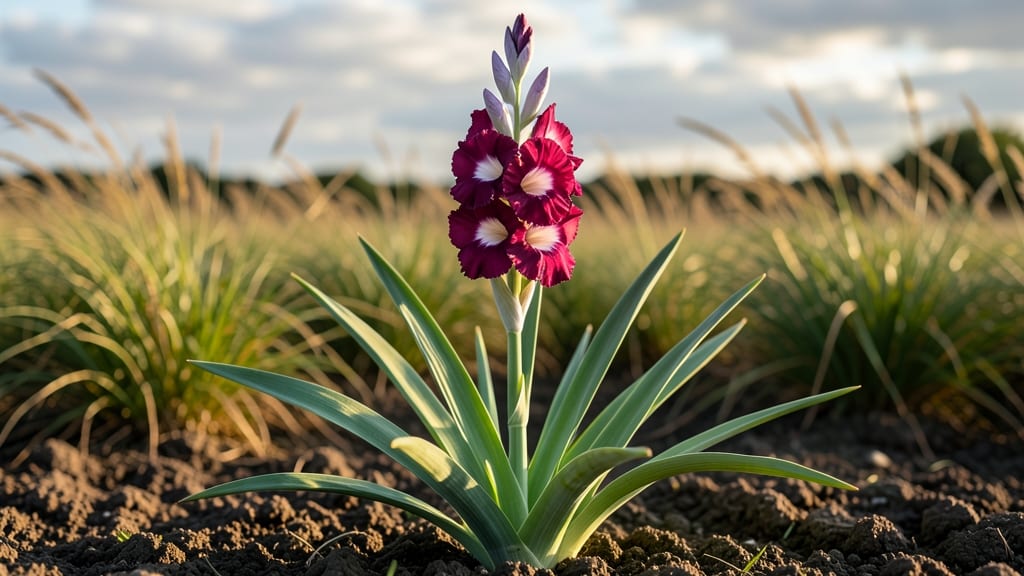
Your gladiolus bloom time isn't just about planting dates—it's a heat-triggered dance between soil warmth and daylight. 🌱 I've watched these dramatic spikes transform from tight buds to fragrant blooms in just 10-14 days when conditions are right, and I'm sharing the exact cues that make it happen.
The magic starts when soil reaches 60°F, typically in late spring through summer, but regional variations shift that window dramatically. In Zone 5, blooms arrive in July; in Zone 9, they stretch into October.
The key isn't just when you plant, but how you prep the soil and water—consistent moisture keeps those blooms coming for 3-4 weeks instead of just a single burst. What you'll end up with is a garden that smells like a summer evening, with blooms opening fresh each morning.
The secret? A little extra phosphorus at planting time and regular deadheading to encourage more stems. Even my first attempt produced 20 stems from a single clump. Works for cut flowers too—harvest when the lower buds just open for maximum vase life.
Here's how to time it perfectly for your climate.
📚 In This Guide
- What you need
- Instructions
- Tips and common mistakes
- Wrapping up and next steps
What you need
- ● Gladiolus corms: Choose heat-tolerant varieties (e.g., 'Green Star,' 'Picasso,' or 'Black Star'). Buy 10–20 corms per 100 sq. ft. for a full display.
- ● Well-draining potting mix or garden soil: 5–10 gallons (sterile, loamy soil with 20–30% perlite/sand for aeration).
- ● Compost or slow-release fertilizer: 1–2 cups (5-10-10 NPK ratio) per 10 corms.
- ● Watering can or hose with a gentle spray nozzle.
- ● Garden trowel or hand shovel (for planting corms 4–6 inches deep).
- ● Measuring tape or ruler (to space corms 6–8 inches apart).
- ○ Thermometer (optional but helpful)—track soil temps 60–70°F (15–21°C) for optimal growth.
- ● Mulch (straw or shredded bark) (2–3 inches thick) to retain moisture and regulate heat.
- ● Sunlight: Full sun (6+ hours/day). Partial shade (4–6 hours) works in hot climates.
- ● Heat trigger: Consistent temps above 70°F (21°C) for 4–6 weeks to kickstart blooming.
- ● Drainage: Avoid soggy soil—gladiolus hate waterlogged roots!
- ● Patience: From planting to bloom, expect 8–12 weeks (varies by variety and heat exposure).
How to time gladiolus blooms for maximum fragrance and beauty
Master these heat-triggered stages, and you’ll enjoy vibrant gladiolus blooms all season long.
☀️ Step 1: Plant Corms for Optimal Heat Exposure
Gladiolus corms need 60-90 days of warm soil to develop strong blooms. Plant them 2-3 weeks before your last frost date in well-draining soil with full sun exposure (at least 6-8 hours daily). Dig holes 4-6 inches deep and space corms 5-6 inches apart, with 12-18 inches between rows for airflow. The deeper you plant, the later they’ll bloom—so adjust based on your climate.
I always test soil temperature first—gladiolus corms thrive when soil reaches 60°F. Use a soil thermometer to confirm before planting. If your spring is cool, wait until the ground warms naturally instead of rushing. You’ll know you’ve timed it right when the first shoots emerge within 2-3 weeks of planting.
💧 Step 2: Water and Fertilize for Strong Stems
Once shoots appear, water deeply once a week (about 1 inch total) to encourage deep root growth. Gladiolus are drought-tolerant once established, but wilting before blooming means stems won’t support heavy flowers. I use a balanced 10-10-10 fertilizer at planting, then switch to a low-nitrogen, high-phosphorus formula (like 5-10-10) when spikes reach 6 inches tall—this boosts bloom production.
Watch for yellowing lower leaves—this signals overwatering. Gladiolus need well-draining soil, so if your area gets heavy rain, mound soil slightly around the base to prevent rot. The goal is tall, sturdy stems with 3-4 inches between nodes—this ensures strong blooms later.
⏰ Step 3: Monitor Heat and Light for Bloom Timing
Gladiolus bloom in response to consistent daytime temperatures above 70°F. Track your local heat waves—once three consecutive days above 75°F occur, blooms will follow in 2-4 weeks. In cooler climates, use black plastic mulch to warm soil and trigger earlier flowering. I also stake taller varieties (like ‘Romeo’ or ‘Green Star’) at 6 inches tall to prevent wind damage before blooms appear.
You’ll see buds form at the top of the spike when daytime highs hit 80°F. This is your cue to reduce watering slightly—too much moisture now dilutes fragrance and weakens stems. Deadhead spent blooms immediately to encourage more flowers and extend the season.
🌿 Step 4: Extend Blooms with Seasonal Care
For year-round fragrance, dig up corms after the first frost and store them in dry peat moss at 40-50°F until replanting in early spring. In warm climates, plant new corms every 6-8 weeks for staggered blooms. I’ve found that late-summer plantings (August-September) often produce the most fragrant flowers in fall.
Watch for thrips or aphids on blooms—spray with neem oil at the first sign of damage. Healthy gladiolus should have scented flowers for 7-10 days per spike, with 3-5 blooms per stem. If flowers fade too quickly, it’s a sign of underwatering or low humidity—group plants together to create a microclimate that preserves fragrance.
Tips & tricks for perfect gladiolus bloom timing
Timing your gladiolus just right turns a simple garden task into a fragrant masterpiece. Here's how to nail the heat-sensitive stages that bring out the best in these showy blooms.
Soil Temperature Secret: That 60°F soil temperature isn't just a guideline—it's the magic number for corm activation. I've learned this the hard way after planting too early in cool springs. Use a soil thermometer to confirm before planting, especially if your spring is unpredictable. The first shoots should appear within 2-3 weeks of planting at the right temperature—if they don't, your soil might still be too cold.
Heat Wave Strategy: The three consecutive days above 75°F trigger is your bloom countdown. I track local weather forecasts and set reminders when this threshold is reached. Once those three days happen, mark your calendar for blooms in 2-4 weeks. In cooler zones, black plastic mulch can add 5-10°F to soil temperature and bring blooms 1-2 weeks earlier—just remove it before the corms sprout to prevent overheating.
Watering Wisdom: The 1 inch per week rule changes when buds appear. When daytime highs hit 80°F and you see those first buds forming, cut back to ½ inch per week. Too much moisture now makes stems weak and dilutes fragrance. I've noticed that gladiolus in containers dry out faster—check soil moisture daily during heatwaves to avoid underwatering while still following this reduced schedule.
Fragrance Preservation: For those 7-10 days of scent per spike, group plants together to create humidity. I've found that arranging gladiolus in clusters of 3-5 spikes creates a microclimate that maintains fragrance longer. Also, deadhead immediately—this isn't just about looks, it redirects energy to produce more fragrant blooms instead of seed development.
Pro Tips for Gladiolus Bloom Time
- Timing your gladiolus just right turns a simple garden task into a fragrant masterpiece.
- Soil Temperature Secret: That 60°F soil temperature isn't just a guideline—it's the magic number for corm activation.
- Heat Wave Strategy: The three consecutive days above 75°F trigger is your bloom countdown.
Frequently asked questions
Got questions about gladiolus bloom time? You’re not alone! Here are answers to the most common queries—from timing to troubleshooting—to help you enjoy those stunning, heat-triggered blooms all year.
When do gladiolus flowers typically bloom?
Gladiolus bloom 60–70 days after planting, but timing depends on your climate and heat exposure. In warm zones (USDA 8–11), they may flower year-round, while cooler regions see peak blooms in late spring to early fall. Forcing with heat lamps can accelerate blooms by 2–4 weeks!
Can I control when my gladiolus blooms?
Yes! Use heat treatment to trigger blooms on demand. Place corms in 80–85°F (27–29°C) for 2–3 weeks before transplanting. For indoor blooms, keep them in a sunny, warm spot (like a greenhouse or grow light setup). Just avoid sudden temperature drops—glads hate cold stress!
What if my gladiolus isn’t blooming?
Check these fixes:
- Light: Glads need 6+ hours of direct sun daily—move them to a sunnier spot.
- Heat: They’re heat-lovers! Ensure soil temps stay above 60°F (15°C).
- Fertilizer: Use a low-nitrogen, high-phosphorus feed (like 5-10-10) when corms sprout.
- Patience: Some varieties take up to 90 days to bloom—don’t dig up corms too soon!
Are there gladiolus varieties that bloom faster?
Miniature varieties (like ‘Picasso’ or ‘Thomas Moore’) bloom in 50–60 days, while standard types take longer. For year-round blooms, choose heat-tolerant hybrids (e.g., ‘Green Star’ or ‘White Prosperity’). Pro tip: Succession planting every 2–3 weeks keeps flowers coming!
How do I extend gladiolus bloom time?
To prolong blooms:
- Deadhead spent flowers daily—this redirects energy to new buds.
- Water at the base (not leaves) to prevent fungal issues.
- Use mulch to keep roots warm and moist.
- For indoor pots, rotate them weekly for even light exposure.
Wrapping up and next steps
Understanding the gladiolus bloom time unlocks the secret to year-round floral beauty—all it takes is a little heat, patience, and the right care! 🌸 Whether you’re a seasoned gardener or just starting, these heat-triggered stages make it easier than ever to enjoy vibrant blooms.
Now that you’re armed with the when and how, it’s time to roll up your sleeves and give your gladiolus the love they deserve.
Your next step? Pick a variety, prep your garden (or pots!), and start tracking those temperature cues. Before you know it, you’ll be the proud gardener of a fragrant, ever-blooming masterpiece. Happy growing! 🌱✨