
Blooming
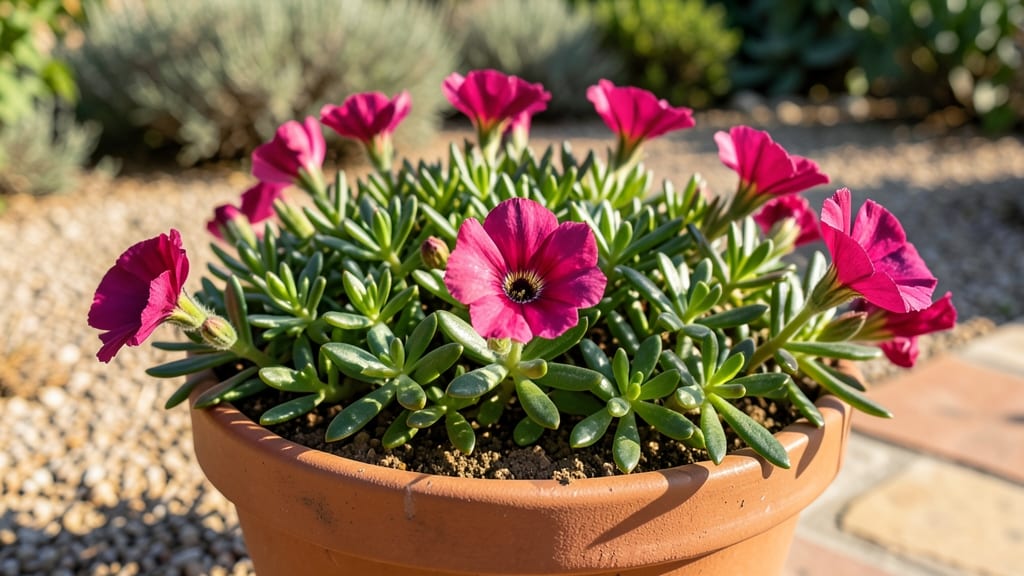
Portulaca blooms on a heat-triggered schedule that turns your garden into a summer-long color show 🌸 — and timing those blooms is the key to maximizing their vibrant displays.
If you’ve ever wondered why your portulaca flowers seem to bloom on a schedule—even when other plants don’t—it’s because these drought-resistant beauties follow a heat-triggered cycle. Understanding their bloom time isn’t just about patience; it’s about unlocking the secrets to year-round color in your garden.
From the first warm days of spring through the dog days of summer, portulaca thrives when temperatures climb above 75°F.
That means in USDA Zone 6a, you’ll see the most dramatic blooms from June to September, with some varieties like 'Profusion' offering near-continuous color if given the right conditions.
In this guide, I’ll break down exactly when to expect those bright, cheerful blooms, how to extend the season, and the simple tricks—like deadheading and soil prep—that keep your portulaca flowering longer than ever.
Portulaca bloom time by variety: when and how long flowers last
Portulaca, or moss rose, is famous for its heat-loving nature and prolonged bloom cycles. Unlike many flowers that fade with summer's end, portulaca varieties can bloom continuously from spring to frost—if given the right conditions.
The key lies in understanding each variety's natural bloom triggers and seasonal patterns. Some varieties, like 'Profusion', are bred for longer flowering seasons, while others like 'Moss Rose' have shorter but vibrant bursts of color.
Most portulaca varieties begin flowering 4-6 weeks after germination, but their peak bloom periods depend on temperature and light exposure. In USDA Zones 7-11, you'll see the most vibrant blooms from late spring through early fall, with some varieties reblooming into late autumn if nights stay warm.
The secret? These plants are heat-triggered—they respond to consistent temperatures above 75°F by producing more buds.
| Variety | Bloom Start | Peak Season | Bloom Duration | Reblooming | Color Notes |
|---|---|---|---|---|---|
| 'Sunset Rouge' | 6-8 weeks after sowing | June-August | 10-12 weeks | Yes (with deadheading) | Deep red-orange |
| 'Moss Rose' | 4-6 weeks after sowing | May-July | 6-8 weeks | No (single bloom) | Soft pink |
| 'Profusion' | 5-7 weeks after sowing | May-September | 14-16 weeks | Yes (continuous) | Multi-color mix |
| 'Sundance Yellow' | 6-7 weeks after sowing | July-August | 8-10 weeks | Yes (moderate) | Bright yellow |
| 'Titan' Series | 5-6 weeks after sowing | June-September | 12-14 weeks | Yes (heavy) | Deep purple |
Take 'Sunset Rouge', for example—a late bloomer that waits until 6-8 weeks after sowing to show off its deep red-orange flowers. Its peak season runs from June to August, but with regular deadheading, you can coax it into reblooming well into September.
This variety thrives in full sun and well-draining soil, which mimics its natural desert habitat.
The 'Moss Rose' variety, on the other hand, is a shorter-season bloomer with a 6-8 week peak from May to July. Its soft pink flowers are delicate and don’t rebloom, making it ideal for spring containers or early summer borders.
If you plant it too late, you might miss its one-time bloom spectacle entirely.
'Profusion' stands out as the longest-blooming portulaca, offering 14-16 weeks of color from May to September. This variety is a gardener's dream for continuous blooms because it self-seeds easily and reblooms aggressively when spent flowers are removed. Its multi-color mix makes it perfect for wildflower gardens or drought-tolerant landscapes.
For cool-climate gardeners, varieties like 'Sundance Yellow' are a great choice because they bloom later in the season (July-August) when other flowers may have faded. Their bright yellow blooms add a cheerful pop of color just as summer transitions to fall.
However, they require consistent warmth—below 65°F at night, blooms may slow or stop entirely.
The 'Titan' Series is another long-blooming powerhouse, with deep purple flowers that thrive from June to September. What sets it apart is its heavy reblooming habit, which means you’ll see new flowers replacing old ones throughout the season.
This makes it ideal for cut flower arrangements or extended garden displays. To maximize its potential, plant it in well-draining soil and avoid overhead watering to prevent fungal issues.
If you're growing portulaca in cooler regions (like
How heat and light affect portulaca bloom time: optimal conditions
Portulaca plants are famous for their ability to bloom under intense heat, but their bloom time is directly tied to temperature thresholds and sunlight exposure.
Unlike many flowers, portulaca responds to heat as a trigger—germination starts at 60°F, but full blooming typically kicks in when daytime temperatures hit 75°F+. This heat-seeking behavior explains why they often bloom later in the season when other plants are fading.
Light is equally critical—portulaca thrives in full sun (6+ hours daily) but can tolerate partial shade in hot climates. However, too little light delays blooming, while intense afternoon sun can actually enhance flower production by encouraging rapid growth. The key is balancing sun exposure with soil moisture to avoid stress.
If your portulaca isn’t blooming on schedule, check these temperature triggers. For example, Portulaca grandiflora varieties like 'Sunset Rouge' need consistent 75°F+ days to trigger bud formation.
In cooler zones (USDA Zone 5-6), start seeds indoors under grow lights to give them a head start—this can advance blooming by 2-3 weeks.
Light also plays a role in bloom timing. While portulaca loves sun, partial shade (3-4 hours of direct light) can extend blooming in hot desert climates by preventing heat stress.
However, if you notice buds forming but not opening, it’s often a sign of insufficient light—move plants to a sunnier spot or supplement with a reflective surface (like white mulch) to bounce light.
To troubleshoot delayed blooms, focus on these three fixes: increase sunlight, reduce watering (portulaca blooms best when slightly drought-stressed), and avoid fertilizing during bud formation (too much nitrogen delays flowers).
In my own garden, I’ve found that deadheading spent blooms in the morning encourages new buds to form within 10-14 days.
For gardeners in cooler climates, extend the blooming season by protecting plants from frost with row covers or growing portulaca in containers that can be moved indoors during cold snaps.
With the right heat and light balance, you can enjoy vibrant portulaca blooms from late spring through fall—even in less-than-ideal conditions.