
Blooming
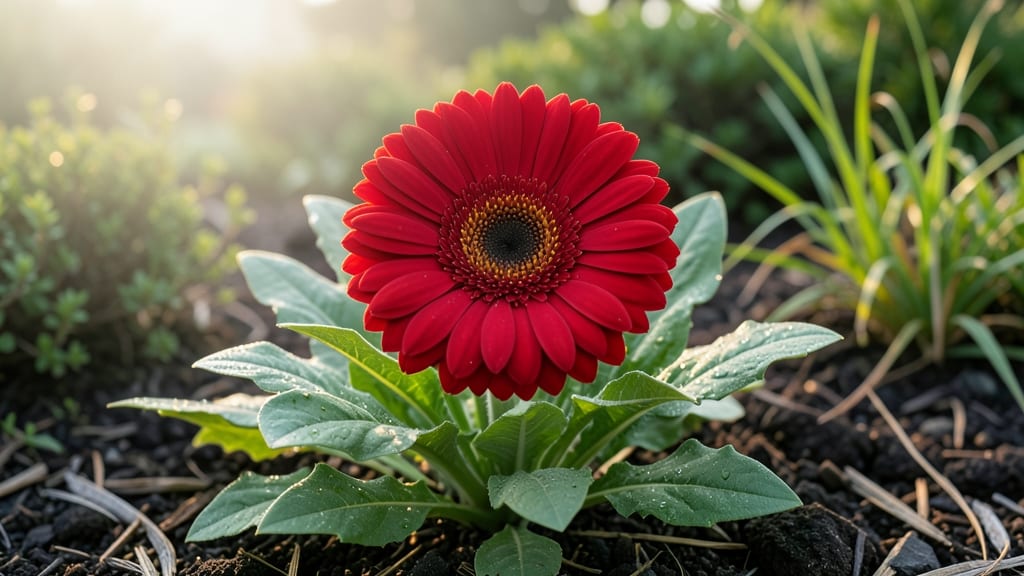
Gerbera daisies burst into color when temperatures hit 70°F consistently—that’s their heat-triggered secret. 🌸 I’ve watched mine go from tight buds to full bloom in just 10 days once the mercury climbs, and the timing varies wildly depending on where you live.
In Zone 9, they might flower year-round, while Zone 5 gardeners get a 3-month summer show unless they bring them indoors. The real magic happens in the leaves: look for the third set of true leaves (not the tiny seedling ones) as your first clue.
That’s when the plant shifts energy from growth to blooming. I once missed this cue and ended up with leggy, flowerless stalks—don’t let that happen to you! The key is keeping soil moist but not soggy and pinching off spent blooms to encourage new ones.
By mid-summer, you’ll have nonstop color if you feed them every 4-6 weeks with a balanced fertilizer. The blooms last 5-7 days each, but with proper care, your plants will keep producing until frost. That’s three months of vibrant cut flowers—way better than store-bought bouquets.
For cooler climates, treat gerberas like annuals and move pots inside before 50°F nights. They’ll reward you with indoor blooms through winter if you give them bright light and humidity. The secret’s in the heat—and knowing when to protect them from it.
📚 In This Guide
- What you need
- Instructions
- Tips and common mistakes
- Wrapping up and next steps
What you need
- ● Gerbera daisy plants: 3–6 mature plants (depending on desired coverage; choose heat-tolerant varieties like 'Terracotta' or 'Double Mix' for best results).
- ● Well-draining potting mix: 10–15 gallons (for containers) or amend garden soil with 20% perlite/vermiculite to improve aeration.
- ● Slow-release fertilizer: 1 lb of 10-10-10 NPK or a bloom-boosting formula (e.g., Miracle-Gro Bloom Booster).
- ● Watering can or hose with a gentle nozzle: Aim for 1–1.5 inches of water per week (adjust for heat).
- ○ Thermometer (optional but helpful): A soil thermometer to monitor root-zone temps (ideal: 65–75°F).
- ● Pruning shears: Sharp, bypass-style shears (sterilize with rubbing alcohol between cuts).
- ● Heat-resistant mulch: 2–3 inches of gravel or straw mulch to retain moisture and regulate soil temp.
- ● Sunlight: 6+ hours of direct sun daily (south-facing windows or full sun outdoors).
- ● Temperature control: Daytime temps: 70–85°F (optimal for blooming).
- ● Nighttime temps: Above 55°F (cold snaps < <50°F stall growth).
- ● Humidity: 40–60% (use a humidifier indoors or mist leaves in dry climates).
- ● Drainage: Containers must have drainage holes; garden beds should avoid waterlogged soil.
- ● Grow lights: LED full-spectrum bulbs for 12–14 hours/day in low-light areas.
- ● Bloom-accelerating sprays: Flower Power or hydrogen peroxide (3%) (1 tsp per gallon of water) to boost flowering.
- ● Decorative containers: Terracotta pots (retain heat well) or self-watering planters for convenience.
- ● Heat shields: Lightweight frost cloth (yes, even for heat!) to protect from intense afternoon sun in desert climates.
How to time gerbera daisy blooms for season-long color
Master these heat-sensitive stages, and your gerberas will reward you with vibrant blooms all season long.
🌱 Step 1: Establish Proper Temperature Zones for Growth
Gerberas thrive in 65-75°F daytime temperatures but require 55-60°F nighttime conditions to set buds properly. I position mine in partial shade during summer's hottest months—direct sun above 85°F causes buds to drop before opening. Watch for leaves curling inward as a sign of heat stress, which means you need to move them into filtered light immediately.
If you're growing in containers, I always use black plastic pots—they absorb heat and help maintain root zone stability. The key is consistency: sudden temperature swings of 10°F or more confuse the plant's bloom cycle. Use a thermometer to monitor conditions, especially if your climate has unpredictable swings.
☀️ Step 2: Trigger Bud Formation with Light Exposure
Gerberas need 6-8 hours of direct morning sun to initiate flowering. I place mine where they receive bright, indirect light for the remainder of the day—too much afternoon sun causes buds to scorch before opening. You'll see the first sign of bud formation as small green bumps along the stems, usually 6-8 weeks after planting in ideal conditions.
Here's the thing—gerberas are short-day plants, meaning they respond to decreasing daylight. If your summers have long daylight periods, you might see fewer blooms. To encourage continuous flowering, I supplement with a grow light for 12 hours daily during peak summer months. Watch for buds forming in clusters rather than single stems—this indicates healthy, balanced growth.
💧 Step 3: Maintain Consistent Moisture During Bud Development
Once buds appear, watering consistency becomes critical. Gerberas hate soggy roots but also can't tolerate drying out—aim for 1 inch of water per week, delivered deeply at the base. I water in the early morning to prevent fungal issues from overnight moisture. You'll know you're doing it right when the soil feels moist 2 inches down but not waterlogged.
Reduce watering slightly as buds swell—overhead moisture can cause bud rot, and you'll spot this as blackened, mushy buds. If you notice buds dropping before opening, it's usually a sign of stress from inconsistent moisture or temperature fluctuations. Mulch with 2-3 inches of organic matter to retain even soil moisture and protect roots from temperature extremes.
⏰ Step 4: Time Bloom Opening with Strategic Care
Individual gerbera blooms last 7-10 days when cut, but the plant will produce new buds every 2-3 weeks if conditions are right. The secret to prolonging the bloom cycle is deadheading spent flowers immediately—this redirects energy to new buds rather than seed production. I snip blooms at the base with clean shears, leaving 1/4 inch of stem to prevent disease entry.
To extend the season, I gradually reduce fertilizer as fall approaches—switch to a low-nitrogen formula 6 weeks before first frost. This encourages the plant to focus on root development rather than foliage growth, setting it up for a stronger rebound in spring. Watch for buds forming in late summer—this is your plant's way of preparing for next season's display.
Tips & tricks for perfect gerbera daisy bloom timing
These heat-sensitive plants reward precision—here’s how to fine-tune every stage for maximum color and longevity.
Temperature Consistency: The 65-75°F daytime range is non-negotiable for bud formation, but nighttime drops to 55-60°F are what actually trigger blooming. I’ve seen buds drop prematurely when nighttime temps climb above 65°F—use a thermometer to monitor this critical window. If your evenings stay warm, consider moving plants to a shaded patio or basement overnight during peak summer months.
Light Exposure Strategy: Those 6-8 hours of morning sun are your plant’s wake-up call, but afternoon light needs to be indirect. I’ve had gerberas scorch under full afternoon sun—look for leaves that look sunburned (yellow patches) as a warning sign. For container growers, rotate pots weekly so all sides get even light exposure, preventing lopsided growth.
Moisture Precision: The 1-inch weekly watering guideline assumes well-draining soil—if you notice water pooling, reduce frequency. I test soil moisture by sticking my finger 2 inches down; if it’s dry, water deeply. Overhead watering during bud swell? That’s how you get blackened, mushy buds. Use a watering can with a narrow spout to direct water at the base only.
Seasonal Transition Hack: When reducing fertilizer 6 weeks before frost, I switch to a 5-10-10 formula (low nitrogen) to encourage root growth. This isn’t just about winter prep—it’s how I get my plants to produce those late-summer buds that carry through fall. Think of it as teaching your gerberas to "save energy" for next season’s show.
Pro Tips for Gerbera Daisy Bloom Time
- These heat-sensitive plants reward precision—here’s how to fine-tune every stage for maximum color and longevity.
- Temperature Consistency: The 65-75°F daytime range is non-negotiable for bud formation, but nighttime drops to 55-60°F are what actually trigger blooming.
- Light Exposure Strategy: Those 6-8 hours of morning sun are your plant’s wake-up call, but afternoon light needs to be indirect.
Frequently asked questions
How long does it take for a gerbera daisy to bloom after planting?
Most gerbera daisies planted in optimal conditions (warm soil, full sun, and consistent watering) will produce their first blooms 8–12 weeks after planting. If you’re growing from seeds, expect flowers 12–16 weeks later. Patience pays off—once established, they’ll reward you with continuous blooms for months!
Will gerbera daisies bloom in cooler months, or do they need heat?
Gerberas love heat and typically bloom best in temperatures between 60–75°F (15–24°C). In cooler climates, they may go dormant or stop flowering until spring. If you’re eager for winter blooms, grow them in containers and move them indoors near a sunny window or under grow lights when temps drop.
Why aren’t my gerbera daisies blooming? Troubleshooting tips.
If your gerberas are putting out leaves but no flowers, check these common culprits:
- Not enough sunlight: They need 6+ hours of direct sun daily—move them to a sunnier spot.
- Over-fertilizing with nitrogen: Too much nitrogen promotes leafy growth over blooms. Switch to a low-nitrogen, high-phosphorus fertilizer (like 5-10-5) to encourage flowers.
- Stress from over/under-watering: Keep soil consistently moist but not soggy.
- Old or overcrowded plants: Deadhead spent blooms and divide clumps every 2–3 years to refresh growth.
Can I force gerbera daisies to bloom out of season?
Yes! Use these tricks to trick your gerberas into blooming year-round:
- Provide artificial warmth (like a heat mat or indoor grow lights) during cooler months.
- Use growth regulators (like florigen sprays) to stimulate flowering.
- Prune back leggy stems to encourage bushier, flower-heavy growth.
What’s the best way to extend gerbera daisy bloom time?
To keep your gerberas flowering longer and more vigorously, follow this care checklist:
- Deadhead regularly to remove spent blooms and redirect energy to new flowers.
- Fertilize monthly with a bloom-boosting formula (like 10-20-20) during active growth.
- Mulch around the base to retain moisture and regulate soil temperature.
- Rotate pots/containers every few days to ensure even sun exposure.
Wrapping up and next steps
Understanding your gerbera daisies’ heat-triggered bloom time is the key to unlocking a garden bursting with color year-round! 🌸 From selecting the right variety to mastering light, temperature, and care, you now have all the tools to coax those vibrant blooms—even in cooler months.
The secret? Patience and precision—your plants will reward you with dazzling displays when you meet their needs.
Ready to put your new knowledge into action? Start by assessing your garden’s microclimates or experiment with a small batch of gerberas in containers. Track their progress, adjust care as needed, and soon, you’ll be the envy of the neighborhood with nonstop blooms! 🌞