
Blooming
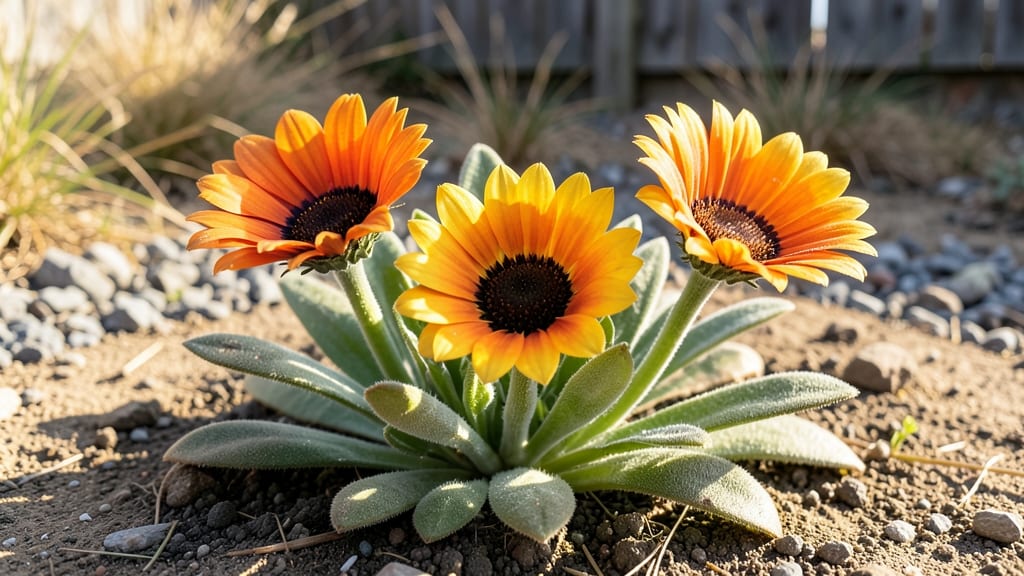
Gazania blooms typically arrive 8 to 12 weeks after planting, depending on your variety and climate—but those vibrant 🌼 faces won’t last if you don’t time it right.
Picture this: You’ve waited months for your garden to burst into color, only to find your gazanias sitting pretty but refusing to open. That’s the heartbreak of misjudging their bloom window, especially in Zone 6 where spring can be unpredictable.
The good news? With the right prep, you can shave weeks off their timeline and enjoy nonstop summer blooms.
From sun-loving hybrids to early-blooming annuals, each gazania variety has its own schedule. Some varieties like Gazania rigens start showing color as early as 6 weeks from seed, while others take closer to 10 weeks—and that’s before you even factor in heat waves or late frosts.
I’ll break down the exact weeks by type, plus the simple tricks to push them into full bloom faster.
Ready to turn your garden into a sun-soaked spectacle? You’ll learn how to read your climate, tweak your soil, and even prune for repeat blooms—so you’re not left staring at green stems when the neighbors’ gazanias are putting on a show.
Gazania bloom time by variety: exact weeks to first flowers
If you're eager to see your gazania burst into color, timing is everything! These sun-loving annuals (and some perennials in warm zones) have predictable bloom windows that vary by variety.
Whether you're starting from seed or transplanting, knowing these exact weeks to first flowers helps you plan for a summer-long display of vibrant daisy-like blooms. Let's break down the timelines for popular varieties.
Most gazania varieties fall into three bloom categories: early bloomers (6-8 weeks), mid-season bloomers (8-10 weeks), and late-season varieties (10-12 weeks). The fastest bloomers like Gazania rigens can surprise you with flowers in just 6 weeks from seed, while some hybrid varieties take closer to 10-12 weeks.
Transplants typically bloom 4-6 weeks faster than seeds, making them ideal for last-minute garden plans.
Climate plays a huge role in bloom timing. In USDA Zones 8-11, gazanias often bloom 2-3 weeks earlier than in cooler zones because they thrive in warm soil temperatures (60°F+). Even in cold zones, starting seeds indoors 8-10 weeks before last frost ensures you'll have blooms by summer. The key to consistent blooming is providing full sun (6+ hours daily) and well-draining soil—both critical for triggering those bright, cheerful flowers.
| Variety | Bloom Time from Seed (weeks) | Bloom Time from Transplant (weeks) | Color Range | Notes |
|---|---|---|---|---|
| Gazania rigens | 6-8 | 4-6 | Orange, red, yellow | Fastest bloomer; great for early summer |
| Gazania krebsiana | 8-10 | 5-7 | Pink, white, lavender | Classic daisy look; slightly slower but longer blooms |
| Gazania 'Sunburst' | 9-11 | 6-8 | Multi-color blends | Hybrid; extended bloom season |
| Gazania 'Princess in Purple' | 10-12 | 7-9 | Deep purple | Late bloomer; dramatic color |
| Gazania 'Mini Star' | 7-9 | 4-5 | Compact orange/yellow | Dwarf variety; ideal for containers |
For Gazania rigens, the fastest bloomer on this list, you can expect bright orange or red flowers as early as 6 weeks from seed if grown in ideal conditions. This makes it perfect for early summer color in USDA Zones 7-11.
If you're in a cooler zone, start seeds indoors 8 weeks before last frost to ensure blooms by late May or June. I've found that providing afternoon shade in Zone 7 helps extend blooming into early fall.
The Gazania krebsiana variety is a mid-season bloomer with 8-10 weeks to first flowers from seed. Its delicate pink and white blooms resemble classic daisies and often rebloom throughout the season if you deadhead regularly. This variety is particularly drought-tolerant
How climate affects Gazania bloom time: zones & seasons
Gazania plants thrive in warm climates, but their bloom time varies dramatically based on your USDA hardiness zone and seasonal planting strategy. In temperate zones (6-9), gazanias typically bloom 6-10 weeks after transplanting in spring, while tropical zones (10+) can see flowers in just 4-6 weeks with year-round warmth.
The key difference? Frost sensitivity and daylight length play huge roles in triggering those vibrant blooms.
For gardeners in cooler climates (zones 5-7), fall planting is often the secret to earlier spring blooms. Planting gazanias in late summer allows them to establish roots before winter, giving you a head start on blooms as soon as soil warms in spring.
Meanwhile, tropical gardeners enjoy continuous blooming with minimal seasonal adjustments—just protect them from heavy rains that can rot their tuberous roots.
In USDA zones 5-7, where frost is a real threat, timing is everything. Plant gazanias in late spring (May-June) for summer blooms, or try the fall strategy—planting in August-September gives roots time to establish before winter dormancy.
The trade-off? Fall-planted gazanias may bloom slightly later in spring, but they'll be hardier and more established. For zone 8+ gardeners, you can push the envelope by planting in early spring (March-April) for earlier summer blooms.
Daylight length also influences bloom time. Gazanias are short-day plants, meaning they bloom in response to shorter days. In northern climates, this triggers blooms in late summer/fall, while southern gardeners often see continuous blooming through summer.
To encourage earlier blooms in cooler zones, consider using grow lights (12-14 hours/day) to simulate longer days during establishment—this can shave 2-3 weeks off bloom time.
One common mistake I see is planting gazanias too early in cooler zones. Cold soil slows germination and delays blooming by 3-4 weeks. Always wait until soil reaches 60°F (15°C) before planting.
For container gardeners in urban areas, this means monitoring microclimates—south-facing balconies often warm up faster than in-ground beds. Pro tip: Use black plastic mulch to warm soil and speed up germination by 10-14 days in spring.
Remember that gazanias are annuals in cold climates but can be perennial in zones 9-12 with proper care. In warmer zones, established plants may rebloom year after year if given consistent care.
The key to long-term success? Deadheading spent blooms and fertilizing lightly in spring to encourage robust growth before the next bloom cycle.