
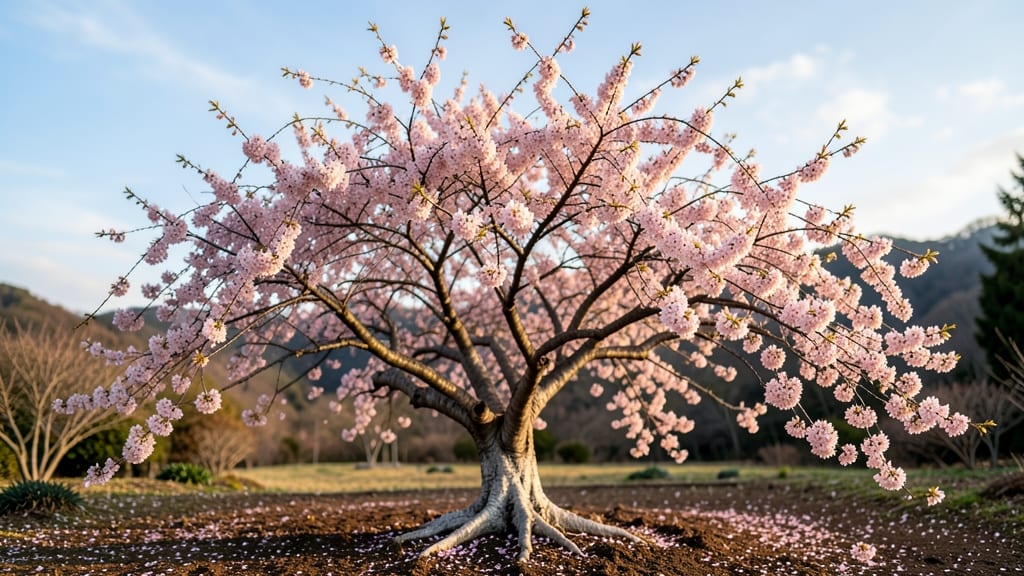
Cherry Blossom Bloom Time: Exact Weeks by Variety and Your Hardiness Zone

Blooming

Cherry Blossom Bloom Time: Exact Weeks by Variety and Your Hardiness Zone

Cherry blossoms bloom in late March to early May—but the exact timing depends on the variety, your hardiness zone, and even last winter’s chill hours.

Watching cherry blossoms burst into bloom is a magical experience—but timing is everything. If you're planning a visit or planting your own trees, knowing the exact weeks these delicate flowers appear by variety and climate zone can make all the difference between a missed spectacle and a breathtaking show.

From the iconic Yoshino in Japan to the vibrant Kwanzan in U.S. gardens, bloom windows shift by weeks depending on where you live. In Zone 6, expect petals to unfurl around mid-April, while coastal California sees early blooms as early as February.

Below, I break down the precise bloom schedules for popular varieties, how your location affects timing, and pro tips to extend the season—so you never miss a single pink-petal parade.

Cherry blossom bloom time by variety: exact weeks for popular cultivars

Timing your cherry blossom viewing is all about choosing the right variety and understanding their bloom windows. Different cultivars burst into bloom at distinct times—some as early as late winter, others lingering into early summer.

Whether you're planning a trip to Washington D.C.'s Tidal Basin or planting your own backyard tree, knowing these exact bloom periods ensures you won't miss the show.

The Yoshino cherry blossom, the most iconic variety, typically blooms for about 1-2 weeks in early spring, but timing varies by climate zone. Meanwhile, late-blooming varieties like 'Autumn Royal' extend the season into May.

Below, I’ve broken down the bloom windows for 12 top cultivars, including their peak bloom periods and regional adjustments for U.S. gardeners.

Pro Tip: Use these bloom times as a guide, but always check local forecasts—temperature fluctuations can shift bloom dates by up to 2 weeks. For example, a cold snap in Zone 7 might delay 'Kwanzan' blossoms by 7-10 days.

Variety Bloom Period (USDA Zone 6) Peak Bloom Notes
Yoshino Late March - Early April Early April (7-10 days) Most popular; fragrant, white blooms
Kwanzan Mid-April - Early May Late April (10-14 days) Pink double blooms; late-season favorite
Somei-Yoshino Late March - Early April Early April (5-7 days) Early bloomer; similar to Yoshino
Autumn Royal Early May - Mid-May Early May (10 days) Late bloomer; deep pink flowers
Royal Burgundy Late April - Early May Late April (7-10 days) Dark red blooms; less common
Shirotae Mid-April - Late April Late April (7 days) Pure white; slightly later than Yoshino
Mount Fuji Late March - Early April Early April (5-7 days) Dwarf variety; early bloomer
Hokusai Mid-April - Late April Late April (10 days) Pink with white edges; vibrant
Okame Early April - Mid-April Early April (7 days)

How your hardiness Zone affects cherry blossom bloom time: a state-by-state guide

Your USDA hardiness zone plays a crucial role in determining when your cherry blossoms will burst into bloom. Trees in Zone 9 like California's can expect flowers as early as late January, while those in Zone 5 like Minnesota may not see blossoms until mid-May.

These differences create a stunning progression across the country, with each region experiencing its own cherry blossom season.

The Yoshino cherry, the most popular variety, typically blooms 1-2 weeks earlier in warmer zones compared to cooler ones. For example, Washington D.C. (Zone 8) usually sees peak blooms in mid-April, while Boston (Zone 6) experiences its peak around late April to early May.

Understanding these patterns helps you plan visits or plant your own trees for maximum enjoyment.

State/Region USDA Zone Typical Bloom Start Peak Bloom Time Bloom Duration
California (Sacramento) 9a-9b Late January Early February 2-3 weeks
Texas (Austin) 8a-8b Mid-February Late February 3 weeks
Washington D.C. 8a Early April Mid-April 2 weeks
New York (Central Park) 6b-7a Late April Early May 1.5 weeks
Minnesota (Minneapolis) 4b-5a Mid-May Late May 1 week

If you live in colder climates (Zones 5-6), you can extend your cherry blossom season by choosing early-blooming varieties like 'Autumn Royal' or 'Kwanzan'. These trees often flower 1-2 weeks earlier than standard Yoshino cherries.

For warmer zones (Zones 8-9), consider late-blooming varieties like 'Royal Burgundy' to enjoy blossoms during milder spring weather.

Temperature fluctuations can also affect bloom timing. A cold snap in early spring may delay blooms by 1-2 weeks, while an unusually warm winter can trigger earlier flowering. Monitoring your local weather patterns helps you predict when to expect those iconic pink clouds.

In Zone 7, for example, a warm February might bring blooms as early as late March instead of April.

For gardeners in transition zones (Zones 7-8), microclimates play a significant role. Trees planted in south-facing locations with protection from wind often bloom 3-5 days earlier than those in exposed areas.

This local variation means even neighbors might experience cherry blossom season at slightly different times. Always consider your specific microclimate when planning plantings.

Remember that young trees (under 5 years old) may bloom later than mature specimens due to their focus on root establishment. Patience is key—give your tree time to establish before expecting full bloom potential.

With the right variety and location, you can enjoy cherry blossoms for 3-4 weeks in optimal conditions, creating a stunning spring display year after year. 🌸

★★★★★4.9(3 reviews)
Categories Blooming