
Blooming
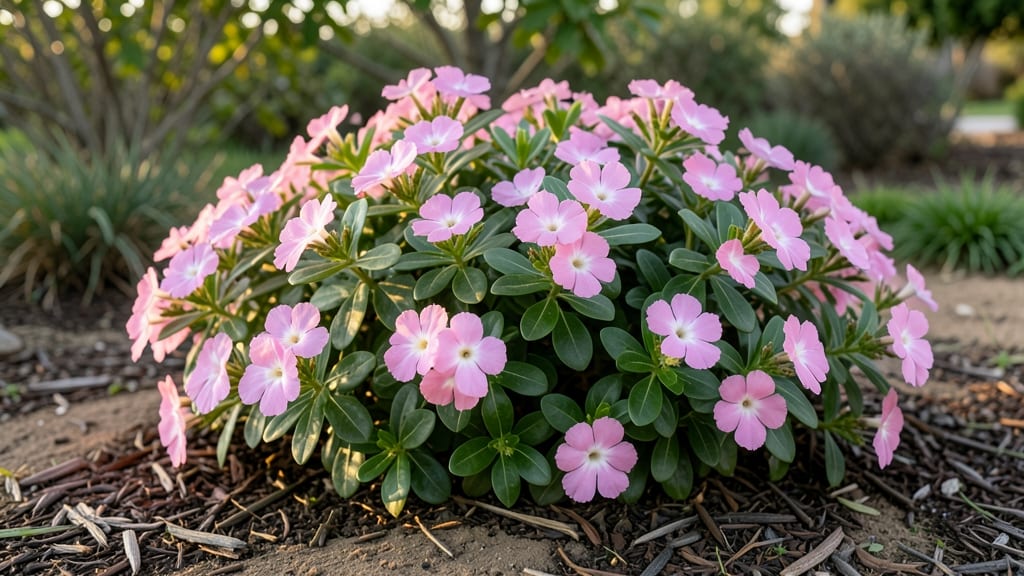
Periwinkle blooms in spring through fall, but the exact timing depends on your variety and where you live—getting it right means vibrant 🌸 flowers for months.
Ever watched your garden beds stay bare when neighbors’ periwinkle plants are already overflowing with color? The difference often comes down to knowing which types bloom early versus late, and how your climate zone shifts those windows.
In USDA Zone 6a, most periwinkle varieties start in April and continue until October, but trailing types may linger longer in warmer areas. Light exposure and pruning habits also play a role—some gardeners even coax a second flush of blooms with a few simple tricks.
Below, I’ll break down the bloom schedules by variety, how to adjust for your zone, and the 5 easiest ways to extend your periwinkle’s show—so you’re not left waiting for spring to arrive.
Periwinkle bloom time by variety: months and seasonal patterns
Periwinkle (Vinca) is a versatile ground cover that blooms in stunning blue-purple hues, but its bloom timing varies dramatically by variety and climate.
Whether you're growing Vinca major for its bold foliage or trailing periwinkle for cascading color, understanding these patterns helps you create a year-round display of flowers.
The key to maximizing your periwinkle's bloom potential lies in selecting the right variety for your zone and knowing when to expect those vibrant blossoms. Some varieties burst into bloom as early as late winter, while others wait until late summer.
Let's break down the bloom windows by the most popular periwinkle types.
| Variety | Primary Bloom Season | Secondary Bloom Period | Key Characteristics |
|---|---|---|---|
| Vinca major | Late April - June | August - September | Upright growth, glossy leaves, 5-inch blooms |
| Vinca minor | March - May | July - August | Low-growing, early spring bloomer, great for shade |
| Trailing Periwinkle (Vinca minor 'Illumination') | April - June | September - October | Variegated foliage, cascading habit, longer bloom season |
| Vinca major 'Variegata' | May - July | September | Cream-edged leaves, bold color contrast, slightly later bloomer |
| Vinca minor 'Plena' | March - April | July | Double blooms, compact habit, earliest bloomer |
Vinca minor typically steals the show in early spring, often blooming as soon as March in warmer zones (like USDA Zone 7+). This makes it perfect for adding color to shady gardens when few other plants are flowering. The 'Plena' variety is particularly eager, often starting its show in late February in mild climates.
For summer-long color, Vinca major varieties shine with their late spring to early summer blooms that can extend into September. These taller varieties work beautifully as backdrop plants or in mixed borders.
Their second bloom cycle in late summer is a bonus for gardeners who want extended seasonal interest.
Trailing periwinkle varieties like 'Illumination' offer a unique advantage: they often produce two distinct bloom periods. The first wave arrives in spring, while the second, sometimes even more vibrant, appears in fall.
This makes them ideal for hanging baskets and spiller positions in containers where you want year-round visual interest.
In northern climates (USDA Zones 3-5), periwinkle blooms may arrive 2-4 weeks later than in southern zones. For example, Vinca minor in Zone 4 might not bloom until mid-April, while the same variety in Zone 8 could start as early as February.
This delay gives you time to plan companion plants that bloom earlier in the season.
One pro tip for gardeners in cooler climates: plant Vinca minor near south-facing walls or patio heat sources to encourage earlier blooming. The extra warmth can push those blue-purple flowers to appear 3-4 weeks sooner than they would in open ground.
If you're aiming for a continuous bloom display, consider planting a mix of varieties. Start with Vinca minor 'Plena' for early spring color, add Vinca major for summer blooms, and include trailing types for fall interest.
This layered approach ensures your garden stays vibrant from March through October.
Remember that deadheading spent blooms (removing faded flowers) can extend each bloom cycle by 2-4 weeks. This simple task encourages your periwinkle to produce new flowers instead of focusing energy on seed production. Just be gentle—periwinkle is tender when young, so avoid rough handling.
For gardeners in Zone 10 and warmer, periwinkle often blooms year-round with minimal seasonal breaks. In these climates, you might see continuous flowering if you provide consistent moisture and partial shade during the hottest months. This makes peri
How climate zones shift periwinkle bloom time (USDA map guide)
Your USDA climate zone plays a surprising role in when your periwinkle plants bloom. In Zone 3, expect blooms as early as late May, while Zone 10 gardeners enjoy flowers from February through November.
These shifts happen because periwinkle responds to temperature cues and daylight hours—both of which vary dramatically across zones.
Understanding these patterns helps you pick the right variety and plan for extended blooming seasons. For example, Vinca major thrives in cooler zones, while trailing periwinkle loves heat and blooms earlier in southern climates. Let’s break down the exact month-by-month differences so you can time your garden perfectly.
If you’re in Zone 5-6, your periwinkle blooms will likely start in early May and peak through September, but microclimates can shift this by weeks.
For instance, a south-facing garden bed in Zone 5 might see blooms begin in late April, while a shaded spot could delay them until June. Always observe your specific location’s last frost dates—periwinkle needs consistent warmth to trigger flowering.
In warmer zones (7-10), periwinkle often blooms year-round with only slight reductions during peak summer heat or winter frosts. For example, Zone 9 gardeners might see February blooms, while Zone 10 can enjoy them through December if protected from light frosts.
Consider mulching heavily in winter to preserve root warmth and encourage early spring blooms.
Don’t forget that trailing periwinkle varieties (like 'Silver Falls') often bloom 2-3 weeks earlier than bush types in the same zone. If you’re in Zone 4 but want earlier color, try planting near a heat-retaining wall or using black landscape fabric to warm the soil.
These tricks can push your bloom time forward by up to 4 weeks in cooler climates.
For northern gardeners, focus on deadheading spent blooms in late summer to encourage a second flush of flowers before frost. In southern zones, prioritize shade cloth during summer to prevent heat stress, which can shorten bloom periods.
With these adjustments, you can fine-tune your periwinkle’s schedule to match your garden’s unique conditions.