
Blooming
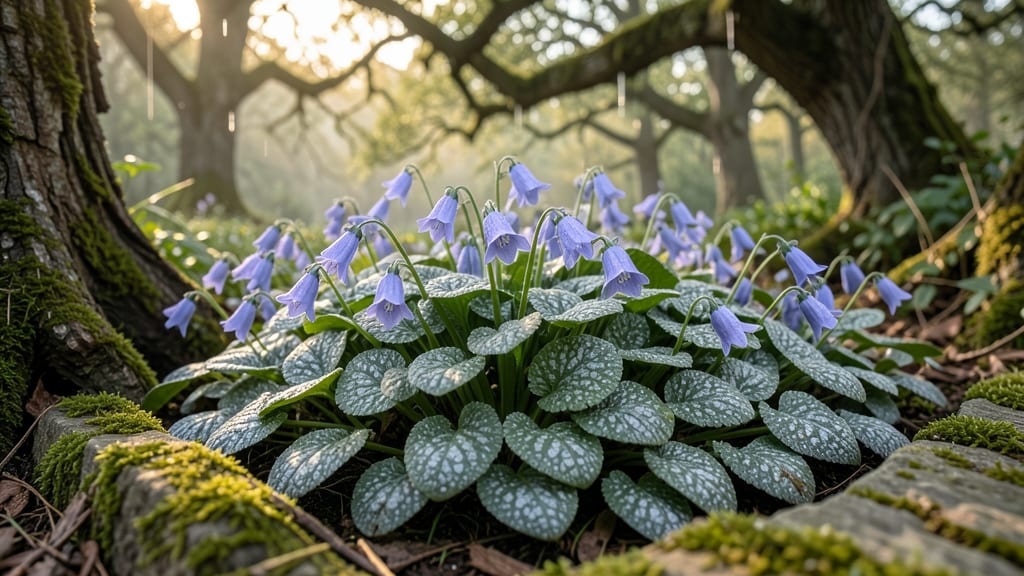
April showers bring more than just rain—they bring vibrant blooms that transform gardens into lively canvases. These 10 early-spring flowers thrive in April’s mild weather, offering color, fragrance, and pollinator support to kickstart your growing season.
Daffodils: Cheerful Yellow Blooms for Early Spring
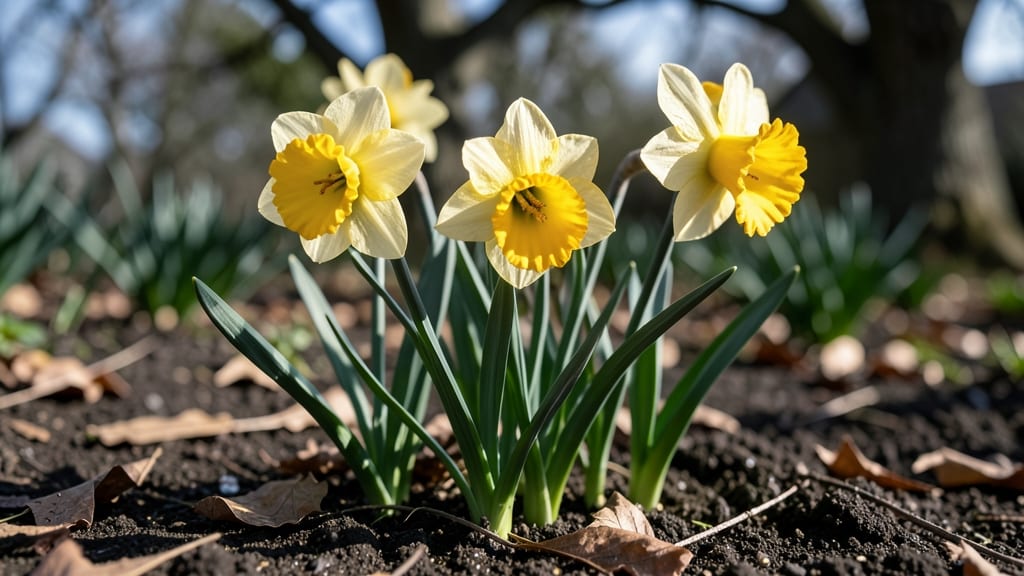
When April’s chill still lingers in the air, daffodils burst through the soil like cheerful yellow beacons, signaling the arrival of spring. These hardy perennials thrive in partial shade, making them ideal for brightening those tricky garden spots where other flowers struggle—like under trees or along north-facing walls.
What makes daffodils especially rewarding is their deer-resistant nature, so you won’t need to worry about hungry critters nibbling your early blooms. Plant bulbs in fall (6-8 weeks before the ground freezes) for a surprise show next April. You can even force them indoors by chilling potted bulbs in the fridge for 10-12 weeks before bringing them into sunny windowsills.
Perfect for beginners or busy gardeners, daffodils reward you with minimal care—just well-drained soil and occasional deadheading. Their bright blooms will lift your spirits and welcome pollinators early in the season. 🌱
Tulips: Classic Elegance in Vibrant Colors
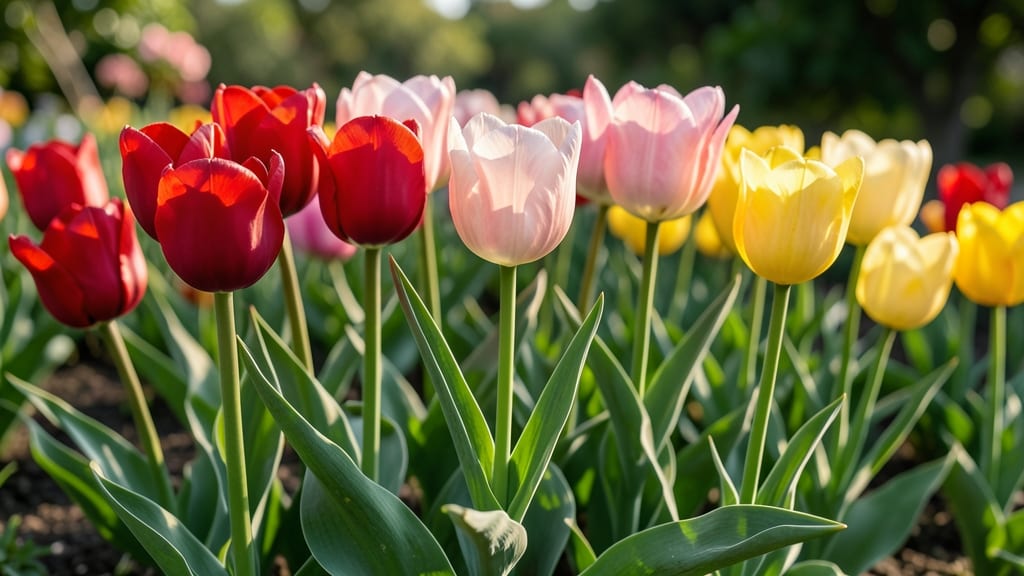
Want flowers that scream "spring" with their bold colors and long-lasting beauty? Tulips are your answer—available in over 100 varieties, from fiery reds to soft pinks, they bring height and drama to any garden while lasting 7-10 days in a vase.
These sturdy stems make them perfect for cut arrangements or adding vertical interest to borders. Plant bulbs in fall (October-November) in well-drained soil with 6 hours of sun for best results. Varieties like 'Darwin Hybrid' or 'Parrot Tulips' offer extra-long stems and vibrant hues that pop against spring greenery.
Whether you're a beginner or seasoned gardener, tulips deliver instant impact with minimal effort—ideal for containers, borders, or even forcing indoors for early blooms. 🌻
Hyacinths: Fragrant Clusters for Pollinators
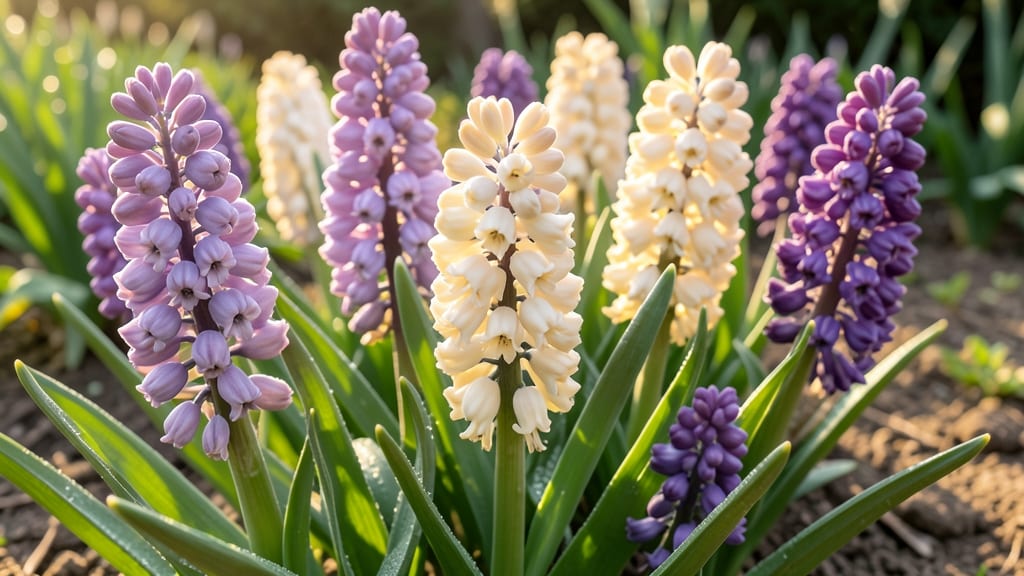
If you crave a garden that smells as stunning as it looks, hyacinths are your secret weapon. These fragrant powerhouses burst into bloom in April with dense clusters of bell-shaped flowers that perfume the air with sweet, intoxicating scents—from honeyed lavender to spicy vanilla. Their early-season blooms provide vital nectar for bees when few other flowers are available, making them a pollinator magnet.
Plant hyacinth bulbs in fall (6-8 weeks before frost) in well-draining soil with full sun to partial shade, and they’ll reward you with 4-6 week blooms each spring. Their compact size (12-18 inches tall) makes them perfect for containers, borders, or rock gardens, where their upright spikes create vertical interest. For maximum fragrance, choose varieties like 'Blue Jacket' or 'Woodstock'—just be prepared for curious critters, as their scent can attract deer and rabbits.
Urban gardeners and small-space enthusiasts will love hyacinths—they thrive in pots and bring spring’s first whiff of perfume to balconies or patios. Pair them with tulips or daffodils for a fragrant, low-maintenance April display that keeps your garden buzzing with life. 💚
Crocuses: Tiny Purple Stars for Early Pollinators
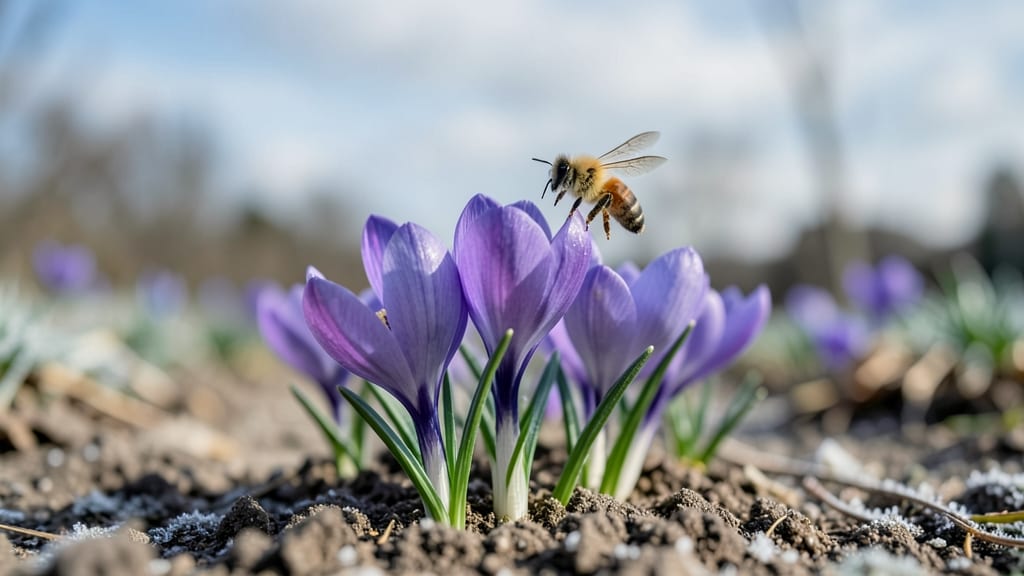
When bees wake up from winter and need their first meal of the season, crocuses are the unsung heroes popping up through frost. These tiny purple stars bloom as early as late winter, providing critical nectar when few other flowers are available, making them essential for pollinator survival.
Plant crocus bulbs in fall for a surprise show in spring—they thrive in full sun to partial shade and even naturalize in grassy lawns or rocky crevices. Choose varieties like Purple Crocus or White Crocus for reliable blooms, and avoid overwatering once established. Their low-maintenance nature makes them perfect for beginners or busy gardeners.
For gardeners with limited space or rocky terrain, crocuses are a game-changer—they multiply over time and fill gaps with cheerful color. Plus, their early blooms signal that spring is truly here. 🌱
Pansies: Edible Flowers for Colorful Edges
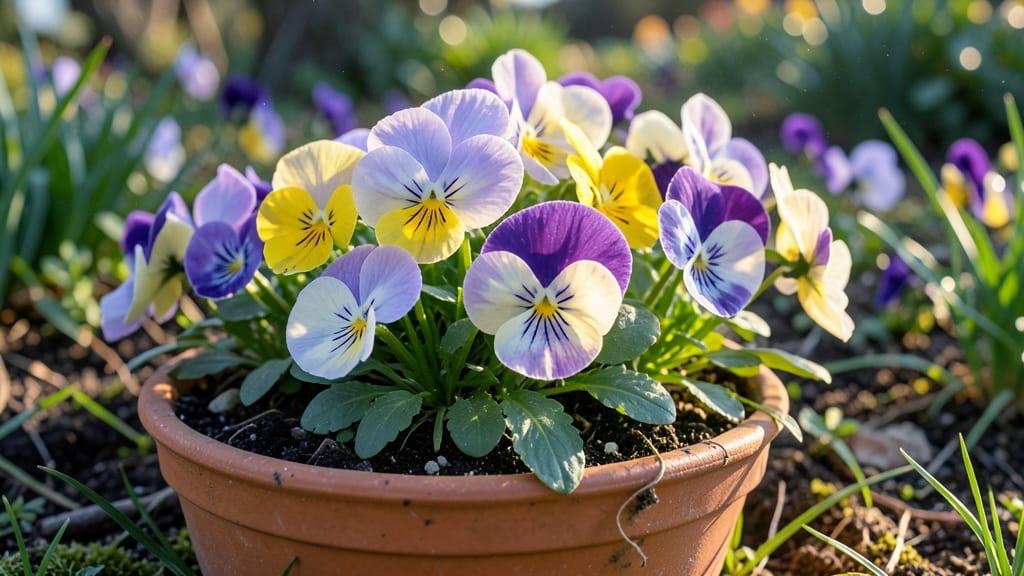
April’s cool mornings and sunny afternoons are perfect for pansies, those cheerful, edible blooms that bring whimsy to gardens and plates alike. Their cold-hardy nature means they’ll thrive even when frost threatens other flowers, making them ideal for early spring borders or container gardens.
These ruffled-faced beauties come in vibrant colors—purple, yellow, and white—and can be tucked into salads or garnishes for a pop of flavor and color. Plant them in well-drained soil with 4-6 hours of sun daily, and they’ll reward you with blooms from early spring through fall. Deadhead spent flowers to encourage more blooms, and watch them self-seed for years of effortless color. 🌻
Bleeding Heart: Delicate Arching Flowers
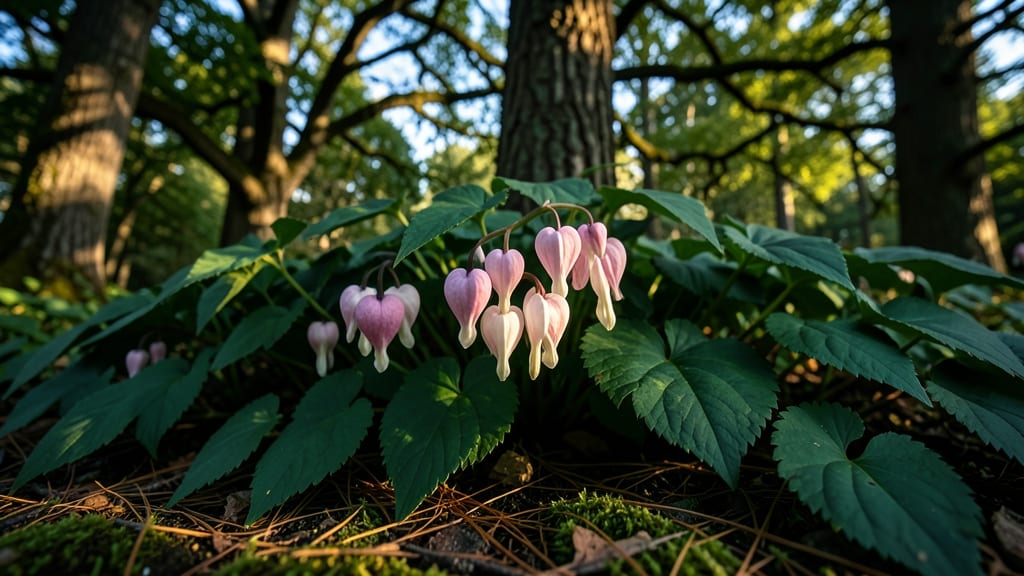
If your garden feels like a dimly lit stage where most flowers refuse to shine, bleeding heart (Dicentra spectabilis) is the star performer you’ve been missing. This woodland beauty thrives in partial to full shade, making it perfect for spots where sun-loving blooms would wilt—like under trees or along north-facing walls.
Its heart-shaped pink or white blooms arch gracefully on 18-inch stems, creating a romantic, cascading effect that lasts from late spring into summer. For best results, plant in moist, well-drained soil enriched with organic matter, and mulch to retain humidity. Deadhead spent blooms to encourage a second flush, though the foliage’s deep green, fern-like leaves add year-round interest.
Ideal for shade gardeners, cottage-style beds, or even container gardens, bleeding heart brings drama where others fail. Pair it with hostas or ferns for a lush, woodland retreat. 🌷
Sweet Peas: Climbing Vines with Intoxicating Scent
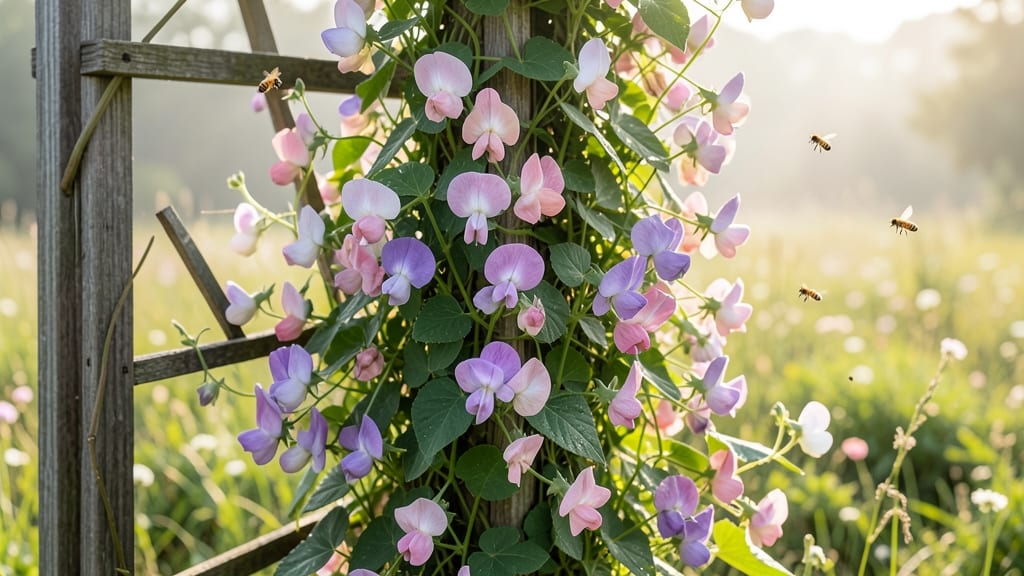
If you crave a garden that smells like a springtime walk through a meadow, sweet peas are your secret weapon. These fast-growing annuals burst into fragrant clusters within 60-90 days, filling your space with a honeyed perfume that bees adore. Their delicate blooms in shades of pink, purple, and white create a vertical waterfall effect on trellises or fences.
Plant seeds directly in cool April soil (40-60°F) for best results—these vines thrive when other plants are still dormant. Provide support structures early as they grow 5-8 feet tall, and water consistently to keep the soil moist. The key to prolonged blooms? Deadhead spent flowers regularly and fertilize lightly with compost tea every 3-4 weeks. Their self-clinging tendrils eliminate the need for ties, making them perfect for beginners.
Sweet peas are ideal for small spaces, urban balconies, or cottage gardens where you want to maximize vertical growing. Their intoxicating scent makes them a must-have for cutting gardens too—just snip stems in the morning for the longest vase life. 🌷
Alliums: Dramatic Globe-Shaped Blooms
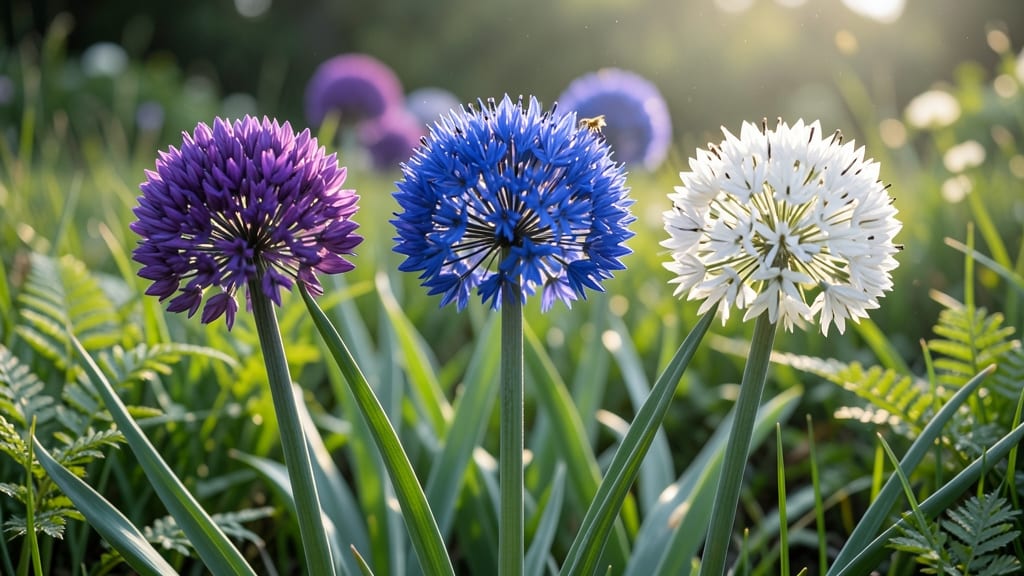
Looking for a dramatic pop of color that requires almost no effort? Alliums deliver globe-shaped blooms in striking purples, blues, and whites that stand out against spring greenery like no other flower. Their unique spherical shape creates visual interest while drawing bees and butterflies to your garden—perfect for pollinator-friendly spaces.
These low-maintenance perennials thrive in full sun to partial shade and tolerate poor soil, making them ideal for beginners or busy gardeners. Plant bulbs in fall for April blooms that last 4-6 weeks, and enjoy their architectural beauty year after year. Varieties like 'Globemaster' reach 4 feet tall, adding height to borders without needing staking.
Alliums are especially useful for gardeners with limited space—their bold forms create focal points in small gardens, containers, or even cut flower arrangements. 💚
Primroses: Soft Pastels for Woodland Gardens
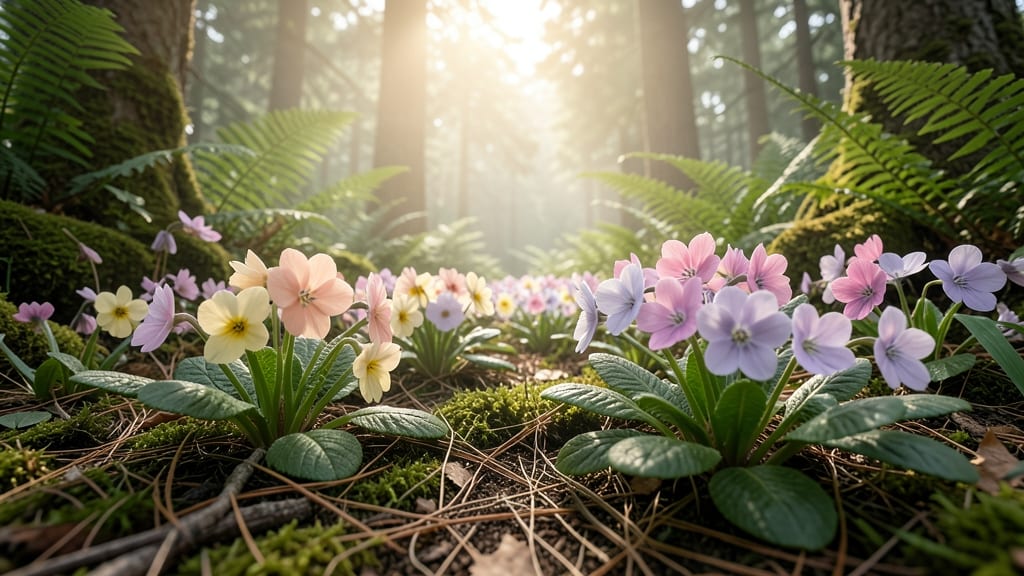
If your garden feels like a quiet forest nook, primroses are the perfect way to bring soft color to shaded spots. These delicate bloomers thrive where others fade, offering a carpet of pastel pinks, purples, and yellows that brighten woodland edges, understory beds, or containers in dappled light.
Plant them in moist but well-drained soil—they despise soggy roots—and enjoy their April-to-May blooming window. Primroses also double as pollinator magnets, luring butterflies and hummingbirds with their nectar-rich flowers. For best results, deadhead spent blooms to encourage more flowers and protect them from late frosts with a light mulch.
Perfect for beginners or gardeners with shady spots, primroses reward patience with years of effortless beauty. 🌷
Lungwort: Medicinal Beauty for Shade Gardens

Looking for a shade-loving perennial that’s as useful as it is beautiful? Lungwort (Pulmonaria) delivers striking blue-purple flowers and silvery-spotted leaves that thrive where most plants struggle—making it a standout for woodland gardens or under trees.
This historic medicinal plant was once used to treat respiratory ailments (hence the name), and its spring blooms appear as early as April, lasting for weeks. Plant in moist, well-drained soil with partial shade, and enjoy its low-maintenance nature—it spreads gently over time without becoming invasive. Varieties like 'Sissinghurst White' or 'David Douglas' add contrasting foliage and flower colors.
Perfect for beginners or gardeners with limited sun, lungwort brings both textural interest and pollinator support to shady spots. 💚