
Blooming
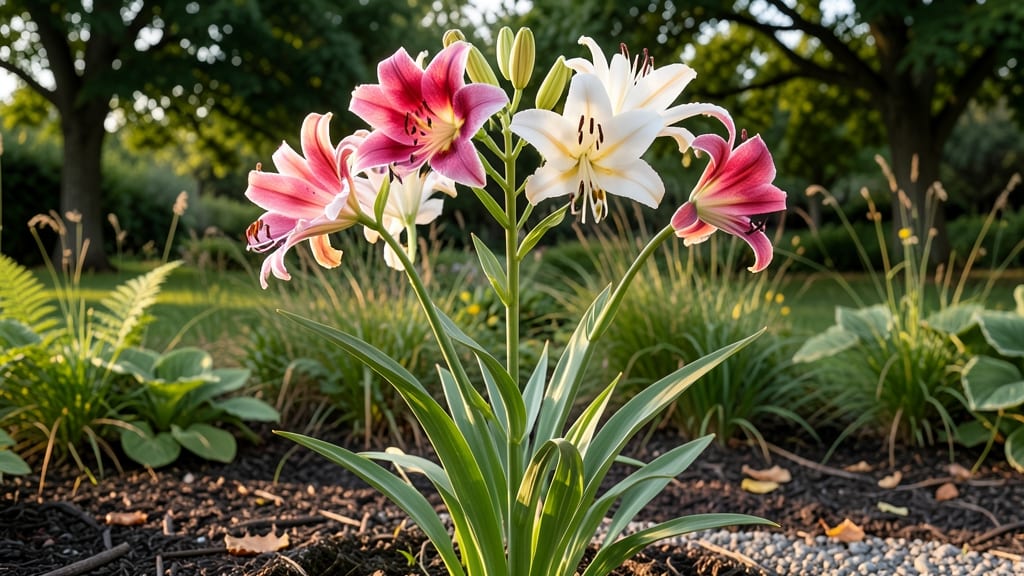
Double bloom lilies change everything about your summer garden. 🌸 These cold-hardy varieties don’t just survive frost—they return year after year with lush, layered blooms that look like a dozen flowers in one.
The secret lies in their unique growth habits, which demand just the right balance of sunlight, soil, and timing to unlock that second flush of color.
Most gardeners struggle with double bloomers because they don’t account for the extra energy these plants need. You’ll want well-draining soil mixed with compost, a sunny spot with at least 6 hours of light daily, and a staking system before the first blooms appear.
Forget the "plant and forget" approach—these lilies reward attention with two full cycles of flowers per season, but only if you follow a few key steps.
By mid-July, you’ll be harvesting the first round of blooms, then watching as the plant regroups for a second show in late summer. The trick is consistent watering—1 inch per week—and a light feeding of bulb fertilizer every 4-6 weeks.
Prune spent blooms carefully to redirect energy without stressing the plant, and you’ll extend the season well into fall.
Perfect for gardeners in zones 3-9 who want drama without fuss. These lilies thrive in containers too, making them ideal for patios or small spaces. Here’s how to get started without the common pitfalls that leave other varieties struggling.
📚 In This Guide
- What you need
- Instructions
- Tips and common mistakes
- Wrapping up and next steps
What you need
- ● Double bloom lily bulbs: Choose cold-hardy varieties like Lilium ‘Black Out’, Lilium ‘Stargazer’, or Lilium ‘Casa Blanca’ (3–5 bulbs per planting area for optimal blooms).
- ● Well-draining soil: Mix 1 part compost with 2 parts native soil (or use a pre-mixed bulb/flower garden soil).
- ● Organic fertilizer: A balanced 10-10-10 or bulb-specific fertilizer (follow package rates for application).
- ● Mulch: 3–4 inches of straw or shredded leaves to insulate roots during winter.
- ● Garden trowel or bulb planter: For digging holes 6–8 inches deep and 6 inches apart.
- ● Watering can or hose with gentle spray: Lilies need 1–1.5 inches of water per week (more in extreme heat).
- ● Garden gloves: Protect your hands while handling bulbs or soil.
- ● Soil pH test kit: Aim for a neutral pH (6.0–7.0)—adjust with lime or sulfur if needed.
- ● Plant stakes or cages: Support tall varieties (like ‘Stargazer’) to prevent flopping.
- ○ Slow-release fertilizer spikes: Optional for convenience (insert at planting time).
- ● Frost cloth: Lightweight fabric to shield young shoots in late frosts (spring only).
- ● Sunlight: Full sun (6+ hours daily) for best blooming.
- ● Planting time: Fall (4–6 weeks before first frost) or early spring (after soil warms to 50°F+).
- ● Patience: Bulbs may take 1–2 years to establish and bloom fully!
How to plant and care for cold-hardy double-blooming lilies
These stunning repeat-bloomers thrive in frost—here’s how to plant them for years of reliable color.
🌱 Step 1: Choose the Right Varieties and Planting Time
Select cold-hardy double-blooming varieties like 'Stargazer' or 'Casa Blanca', which handle frost down to 20°F and rebloom reliably. Plant bulbs in early fall—about 6-8 weeks before the ground freezes. This gives roots time to establish before winter, so they’ll bounce back stronger in spring.
I dig holes 6-8 inches deep and 6-8 inches apart—double bloomers need space to develop the energy for two flower cycles. If your soil drains poorly, mix in a handful of perlite or sand to prevent rot. The key is getting those bulbs settled before the first hard frost.
☀️ Step 2: Position for Sun and Soil Conditions
Double bloomers demand full sun—at least 6-8 hours daily—to fuel their second flush of flowers. A south-facing spot works best, but even west-facing beds deliver enough light. I’ve seen them struggle in shade, producing fewer blooms or none at all.
Amend the soil with compost before planting to improve drainage and fertility. These lilies hate soggy roots, so raise beds slightly if your yard stays wet. A soil test helps—aim for a pH of 6.0-7.0. Too acidic, and the bulbs won’t thrive.
💧 Step 3: Water and Mulch for Winter Protection
Water deeply after planting, then taper off as fall progresses—you want the soil moist but not soggy. Once the ground freezes, stop watering entirely until spring. The bulbs enter dormancy and need dry conditions to survive.
Apply a 3-inch layer of mulch (straw or shredded leaves) after the ground freezes. This insulates the bulbs from extreme cold and prevents heaving during freeze-thaw cycles. In spring, remove the mulch once new shoots appear—usually around late April or early May, depending on your zone.
✂️ Step 4: Deadhead and Fertilize for Repeat Blooms
After the first flush of flowers fades, deadhead spent blooms to redirect energy into bulb storage for the second bloom. I snip stems just above the first set of leaves, leaving the foliage intact—it’s photosynthesizing to feed next year’s flowers.
Fertilize lightly in early spring with a balanced 10-10-10 formula, then again after the first bloom. Too much nitrogen now will boost leaves at the expense of flowers. Water deeply after fertilizing, and avoid wetting the foliage to prevent fungal issues.
⏰ Step 5: Prepare for Winter and Next Year’s Blooms
In late fall, after the second bloom cycle, let the foliage yellow naturally before cutting it back. This process recharges the bulbs for next year. I wait until mid-October in my zone before trimming, giving the leaves time to complete their job.
Add a final 1-inch layer of compost around the base in early spring to replenish nutrients. Double bloomers are heavy feeders, so this boost ensures vibrant flowers year after year. Mark their location—lilies come up slowly, and you’ll want to avoid disturbing them during spring cleanups.
Tips & tricks for perfect double bloom lilies
These little details make all the difference when growing lilies that reliably rebloom year after year.
Timing is Everything: The 6-8 week window before ground freeze is critical for root establishment. I check my local frost dates and mark the calendar—planting too early means weak roots, too late means winter stress. For northern climates, aim for late September; southern zones can extend to early October. If you miss the window, don't panic—just plant as soon as soil temps drop below 60°F and cover with extra mulch.
Soil Science: That 6.0-7.0 pH range isn't arbitrary—lilies need slightly acidic to neutral soil for nutrient uptake. I test my soil every 2-3 years because organic matter changes pH over time. If your test shows 5.5 or lower, add pelletized lime (follow package rates) 2-3 months before planting. For clay soils, mix in 25% coarse sand or perlite by volume to prevent rot—double bloomers need good drainage to survive winter.
Mulch Magic: The 3-inch mulch layer serves two purposes: insulation and moisture control. I use straw because it breaks down slowly, but shredded leaves work too. In extreme cold zones (below 0°F), double the mulch thickness temporarily. Remove mulch in early spring when shoots emerge—waiting too long can smother tender new growth. The key is balance: enough to protect but not so much it suffocates.
Deadheading Technique: When you deadhead those first blooms, make clean cuts just above the first set of leaves using sharp pruners. I've seen gardeners accidentally remove too much foliage, which starves the bulb for next year's flowers. Leave at least 6-8 inches of stem—this is the plant's food factory. The foliage needs to yellow naturally before cutting back completely in fall, so resist the urge to tidy up early.
Pro Tips for Double Bloom Lilies
- These little details make all the difference when growing lilies that reliably rebloom year after year.
- Timing is Everything: The 6-8 week window before ground freeze is critical for root establishment.
- Soil Science: That 6.0-7.0 pH range isn't arbitrary—lilies need slightly acidic to neutral soil for nutrient uptake.
Frequently asked questions
Got questions about double bloom lilies?
You’re not alone! These stunning, cold-hardy beauties are full of surprises—from planting tips to winter care. Here are answers to the most common queries to help you grow like a pro.
What makes double bloom lilies different from regular lilies?
Double bloom lilies produce two flowers per stem instead of one, doubling your impact with half the stems! They also often have larger, fuller petals and come in vibrant colors like pink, orange, and purple. Plus, their cold-hardy varieties (like ‘Stargazer’ or ‘Casa Blanca’) thrive in zones 3–9, making them low-maintenance superstars.
Can double bloom lilies survive frost, or do I need to protect them?
Most cold-hardy double bloom lilies tolerate light frost (down to 20°F/-7°C), but heavy freezes may damage foliage. For extra protection, mulch the base with straw or leaves in winter. Cut back dead stems in late fall but leave the bulb in the ground—it’ll bounce back in spring! Pro tip: Choose varieties labeled “hardy” for your zone.
How long does it take for double bloom lilies to flower after planting?
Patience pays off! If planted in spring, expect blooms the following summer (12–18 months). For fall planting, flowers may appear in 3–4 months (ideal for late-season color). Bulbs need time to establish roots, so don’t rush—think of it as an investment in next year’s showstopper display.
Why aren’t my double bloom lilies flowering this year?
No blooms? Check these fixes:
- Sunlight: Ensure they get 6+ hours of sun daily—partial shade can delay flowers.
- Soil: Rich, well-draining soil is key. Amend with compost if your soil is clay-heavy.
- Fertilizer: Feed with bulb-specific fertilizer in early spring for energy.
- Age: Young bulbs (1–2 years old) may take longer to bloom.
Are there any low-maintenance alternatives to double bloom lilies?
Love the look but want less fuss? Try these cold-hardy, easy-care alternatives:
- Daylilies (Hemerocallis): Bloom repeatedly, drought-tolerant, and thrive in zones 3–9.
- Peonies (Paeonia): Lush, fragrant blooms with minimal care (zones 3–8).
- Bearded Irises: Stunning vertical blooms, deer-resistant, and perennial.
Wrapping up and next steps
Double bloom lilies are a fantastic choice for gardeners who love bold, repeat-blooming beauty—even in cooler climates! 🌸 Their resilience, striking petals, and ability to thrive in frost make them a standout perennial.
Whether you're a seasoned gardener or just starting, these varieties bring low-maintenance elegance and reliable charm year after year.
Ready to transform your garden? Pick your favorite cold-hardy variety and start planting—your future blooms will thank you! For extra tips, check out our guide on lilies care or explore companion plants to maximize their impact.