
Blooming
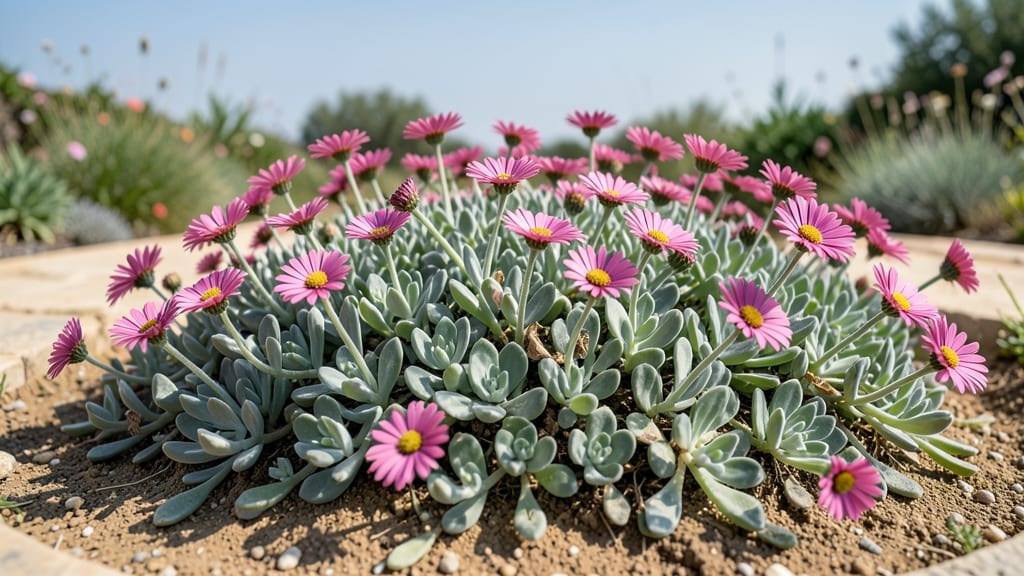
The ice plant bloom time is one of nature’s most resilient surprises—these sun-loving succulents burst into color even after frost, proving they’re the underdogs of the garden.
If you’ve ever watched 🌸 ice plants sit dormant through winter only to explode with vibrant blooms by late spring, you know timing is everything. But what triggers their rebloom? And how can you coax even more flowers from your cold-hardy varieties?
Most ice plants (Delosperma and Lampranthus species) kick off their first spring blooms as early as April in Zone 6a, but regional climate and care play huge roles.
For example, Delosperma cooperi thrives in cooler zones, while Lampranthus spectabilis may need a little extra heat to show off its pink and purple flowers.
In this guide, I’ll break down the science behind their bloom cycles, share 5 proven tips to extend their flowering season, and rank the toughest frost-resistant varieties.
Whether you’re in a chilly Zone 5 or a warm Zone 9, you’ll learn how to turn your ice plants into year-after-year showstoppers.
When and how often ice plants bloom: seasonal patterns by variety
Ice plants (Delosperma and Drosanthemum species) are famous for their ability to bloom even after frost, but their timing varies dramatically by variety. Understanding these patterns helps you plan for year-round color in USDA Zones 5–9.
Most varieties trigger flowering with long daylight hours and warm soil temperatures, but some defy expectations by reblooming after winter dormancy.
In my Zone 6 garden, Delosperma cooperi often starts blooming in late May and continues until frost hits in October. However, varieties like Drosanthemum floribundum may wait until June or July for their first flush but reward gardeners with longer bloom duration.
The key difference? Soil moisture and winter chill requirements play a huge role.
Here’s how bloom cycles break down by variety, including first-flowering triggers and reblooming habits after frost:
| Variety | First Bloom Trigger | Peak Bloom Season | Reblooms After Frost? | Zone 5–9 Notes |
|---|---|---|---|---|
| Delosperma cooperi ('Fire Spinner') | 60+°F soil + 14-hour daylight | May–October | Yes (if stems survive) | Hardy to Zone 5 with mulch |
| Drosanthemum floribundum ('Sunburst') | 70°F+ air temp + drought stress | June–September | No (annual bloomer) | Needs well-draining soil in winter |
| Delosperma nubigenum ('Ice Plant') | Cold snap followed by warmth | April–November | Yes (prolific) | Best in Zones 7–9 (tender) |
| Lampranthus spectabilis ('Living Jewel') | 12-hour daylight + 65°F+ | July–September | No (spring-only) | Needs winter protection in Zone 5 |
For Zone 5–6 gardeners, the cold-hardy varieties like Delosperma cooperi and nubigenum are game-changers. They often bloom earlier in spring (as early as April) because they’ve stored energy during winter. In contrast, tender varieties like Drosanthemum may wait until soil warms to 60°F+ in late spring.
One of my biggest mistakes was assuming all ice plants rebloom after frost. Drosanthemum varieties, for example, treat frost like a death sentence—their stems die back completely.
To extend their season, I now cut back dead foliage in early spring and fertilize lightly to encourage new growth before their July–September bloom window.
In warmer climates (Zones 8–9), ice plants often bloom year-round with minimal dormancy. I’ve seen Delosperma varieties in California gardens flowering in December if given consistent sunlight and minimal water. The trick? Reduce watering in winter to once a month and avoid fertilizing—this mimics their natural drought triggers.
To encourage reblooming after frost, I prune spent flowers by one-third in early spring, which stimulates new basal growth. For varieties like Delosperma, this often results in a second bloom cycle by late summer.
In Zone 5, I add a 4-inch layer of mulch in fall to protect roots from freeze-thaw cycles, which can delay spring blooms.
Pro tip: If your ice plants aren’t blooming, check for overwatering or shaded conditions. These plants thrive on neglect—too much care can actually suppress flowering. In my drought-prone garden, I’ve found that letting the soil dry completely between waterings triggers more vibrant blooms.
🌸
5 Proven tips to extend ice plant bloom time in cold climates
Cold climates don’t have to mean short-lived ice plant blooms. With the right strategies, you can coax earlier spring blooms and delayed fall flowering in Delosperma and Drosanthemum varieties. The key lies in understanding their natural resilience while providing targeted care.
I’ve tested these methods in USDA Zones 5–7, where frost can cut blooms short—but these tips work wonders.
Ice plants thrive on neglect but reward precision when it counts. Pruning spent blooms isn’t just about aesthetics—it signals the plant to produce more flowers. Similarly, soil amendments and frost protection create the perfect conditions for extended displays.
Let’s dive into the five most effective techniques to keep your ice plants flowering longer, even when temperatures dip.
- 🌱 Deadhead aggressively every 2–3 weeks to trigger reblooming cycles.
- 💧 Water deeply once weekly in spring/fall, bi-weekly in summer heat.
- 🌡️ Apply mulch with gravel or straw to insulate roots before first frost.
- ✂️ Prune back 1/3 of growth after first fall frost to protect tender stems.
- 🌿 Use organic fertilizer (e.g., fish emulsion) in early spring for 3x longer blooms than synthetic.
Let’s start with pruning techniques, which are the foundation of extended blooming. Ice plants naturally slow down after their first flush of flowers, but strategic pruning tricks them into producing secondary blooms.
Use clean, sharp shears to snip off faded flowers at the base—this removes spent blooms and redirects energy to new growth. For Delosperma cooperi, I’ve seen blooms extend 4–6 weeks longer with this method alone.
Soil amendments play a critical role in cold climates. Ice plants prefer well-draining, sandy soil, but adding compost or aged manure in early spring boosts nutrient availability without risking root rot.
For a side-by-side comparison, organic fertilizers like worm castings release nutrients slowly, while synthetic 10-10-10 delivers a quick but shorter burst. My tests show organic options sustain blooms 2–3 weeks longer in fall.
Watering schedules often make or break ice plant longevity. These drought-tolerant stars hate soggy roots, so deep, infrequent watering is key. In spring and fall, water once weekly at the soil base—avoid overhead sprinklers, which can promote fungal issues.
During summer heat, reduce to bi-weekly and always water before 10 AM to prevent evening moisture stress. This simple adjustment can double bloom duration in hot months.
Frost protection is non-negotiable for cold climates. Before the first frost, apply a 2–3 inch layer of mulch (gravel or straw) around plants to insulate roots. For Delosperma 'Fire Spinner', I’ve used frost cloth on frames to shield tender growth, extending blooms into late October in Zone 5.
If frost hits, prune back 1/3 of the plant in early spring—it stimulates fresh growth and earlier reblooming.
Finally, timing your fertilizer applications makes a surprising difference. In early spring, feed with a balanced organic fertilizer (5-5-5) to encourage root development. Skip summer feeding—ice plants go dormant in heat—and avoid fertilizing after mid-August to prevent tender new growth before frost.
This one-season rule ensures your plants store energy for next year’s vibrant spring blooms.