
Blooming
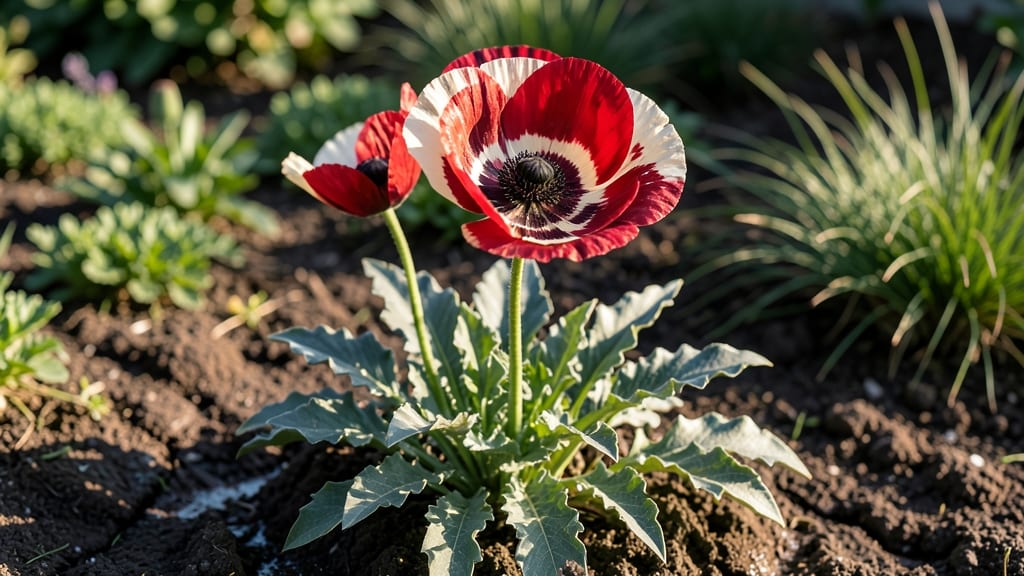
The bloom time of oriental poppies is a gardener’s dream—late spring to early summer, when they burst into fiery colors after frost and return reliably year after year with almost no effort.
If you love bold, fiery blooms that defy winter’s chill, these poppies are a gardener’s secret weapon—reblooming spectacularly after frost and thriving in zones 3-8 without fuss.
But timing matters: plant them in late winter to early spring for the best results, and you’ll see those first vibrant blooms by May, with a second flush in fall if you deadhead spent flowers.
Below, I’ll share how to extend their bloom time, the best varieties for cold resistance, and the simple care tricks that keep them coming back stronger every year.
When do oriental poppies bloom? Seasonal timeline & frost-proofing secrets
Oriental poppies (Papaver orientale) are famous for their vibrant, long-lasting blooms that appear twice a year—once in late spring and again in early fall. Unlike many perennials, these hardy beauties actually rebloom after frost, making them a standout in cold climates.
Their timing depends on your USDA hardiness zone and regional microclimates, but with the right care, you can coax two full bloom cycles from a single plant each year.
The first flush of blooms typically emerges in May or June, lasting 4–6 weeks before fading. What surprises many gardeners is their second bloom cycle, triggered by autumn frosts in late September or October.
This unique trait makes them ideal for USDA zones 3–8, where they can survive winter’s chill and return stronger each spring. In milder zones like Pacific Northwest, blooms may stretch into late summer, while in Midwest climates, the fall rebloom often peaks in October.
| Bloom Stage | Typical Months | USDA Zones | Regional Notes |
|---|---|---|---|
| First Bloom | May–June | 3–8 | Pacific Northwest: May–July; Midwest: Late May–June |
| Dormancy | July–August | All zones | Plants enter summer dormancy; water sparingly |
| Fall Rebloom | September–October | 3–7 | Zones 8+: May stretch into November with mild winters |
| Winter Rest | November–March | 3–6 | Zones 7–8: Minimal dormancy; may bloom sporadically |
Cold temperatures play a crucial role in triggering oriental poppies’ second bloom cycle. After their first flush in spring, plants enter a summer dormancy to conserve energy. A light frost in late summer (around 28–32°F) signals the plant to break dormancy and produce a second set of buds.
In USDA zone 5 or colder, this often happens in September, while in zone 8, it may extend into November. To encourage this behavior, avoid heavy pruning in summer and let foliage yellow naturally before cutting back.
Regional variations can shift bloom times by 2–4 weeks. In the Pacific Northwest, where summers are cool and wet, oriental poppies may bloom earlier in spring (April–May) and later in fall (October–November).
Meanwhile, in the Midwest, hotter summers delay the first bloom until late May, but the fall rebloom arrives sharply in September after early frosts. Gardeners in zone 3–4 should plant near south-facing walls to capture extra warmth and extend the season.
For gardeners in USDA zones 9–10, oriental poppies may struggle with the heat and humidity, leading to bolting or poor blooming. In these areas, provide afternoon shade and consistent moisture during summer.
Even in cold climates, poor drainage can prevent reblooming—always plant in well-amended soil with a sandy loam texture to avoid waterlogged roots. A 3-inch layer of mulch in winter also protects roots from freeze-thaw cycles that can damage crowns.
One common misconception is that oriental poppies need full sun year-round. While they thrive in 6+ hours of sunlight, a light afternoon shade in summer (especially in hot zones) can prevent bolting and preserve energy for fall blooms.
Pair them with tall grasses or shrubs to create a microclimate that retains moisture and moderates temperatures. In containers, use fast-draining mixes with perlite or sand to mimic their native rocky soils.
To maximize bloom time, deadhead spent flowers after the first flush but leave seed pods on a few stems to attract pollinators and ensure future growth. In zone 5 and colder, apply a 4–6 inch mulch of straw or leaves in late fall to insulate roots.
Remove mulch in early spring to allow soil to warm quickly and trigger early blooms. With these strategies, your oriental poppies can bloom for 8–10 weeks total, from late spring through fall.
If your poppies skip a bloom cycle, check for over-fertilization (too much nitrogen) or crowded roots. Divide clumps every 3–4 years in early spring to rejuvenate growth. In containers, rotate pots quarter-turns weekly to ensure even sunlight exposure.
With patience and the right conditions, oriental poppies will reward you with bold, frost-resistant color year after year.
For a show-stopping display, plant oriental poppies alongside salvias
How to extend oriental poppy bloom time: pruning, deadheading & winter care
Oriental poppies reward patient gardeners with stunning, long-lasting blooms that often return after frost. To maximize their reblooming potential, focus on three key strategies: deadheading, strategic pruning, and winter protection. These techniques encourage second flushes of flowers and help your plants thrive for years.
Start by understanding your poppies’ natural cycle. They typically bloom once in late spring but can produce a second flush in fall with proper care. The secret lies in removing spent blooms and protecting roots from harsh winter conditions.
Let’s dive into the step-by-step methods that will transform your garden into a year-round poppy paradise.
⚠️ Common Mistake Alert: Over-Pruning
Avoid cutting back healthy foliage after the first bloom cycle. Oriental poppies store energy in their roots and basal leaves—pruning too aggressively can weaken the plant and reduce next year’s blooms. Only remove spent flower stalks and yellowing leaves.
Deadheading is your first line of defense for extended bloom time. As soon as a flower fades, use clean pruning shears to snip the stem just above the first set of leaves.
This redirects the plant’s energy from seed production to new flower buds. For oriental poppies, deadhead daily or every other day during peak bloom to keep your garden vibrant.
For winter care, focus on protecting the crown and roots. In USDA zones 3-5, apply a 4-6 inch layer of mulch (straw or shredded leaves work best) after the first frost.
This insulates the plant and prevents heaving during freeze-thaw cycles. In warmer zones (6-8), reduce mulch to 2 inches to avoid overheating roots.
Boost bloom longevity with phosphorus-rich fertilizers in early spring. A 5-10-10 NPK blend applied at soil level encourages strong root development and flower production. Avoid high-nitrogen fertilizers—they promote leafy growth at the expense of blooms. Water deeply after fertilizing to help nutrients penetrate the soil.
Create a microclimate to extend the growing season. Plant oriental poppies near south-facing walls or fences, which absorb heat during the day and radiate it at night.
This delays frost damage by 2-3 weeks in early fall, giving your poppies more time to rebloom. Grouping plants together also improves their overall resilience.
With these techniques, your oriental poppies will rebloom reliably and thrive for decades. The key is patience and consistency—skip the shortcuts, and your garden will reward you with season after season of fiery, frost-resistant blooms.