
Blooming
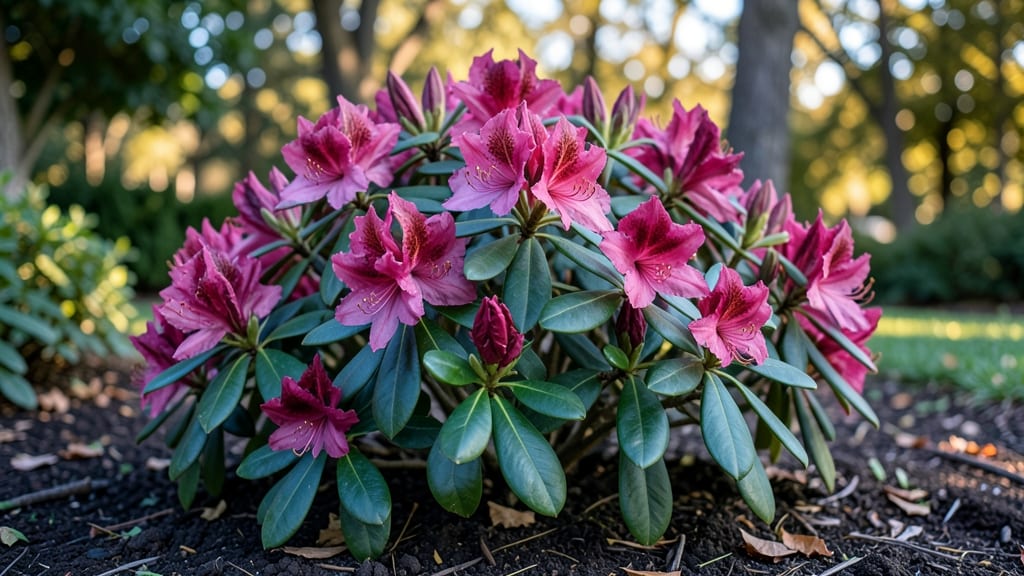
Rhododendrons do not bloom all summer—most varieties produce vibrant flowers for just 2-4 weeks in spring, though select reblooming cultivars like 'Boule de Neige' can yield secondary blooms in late summer with proper care and attention to pruning, moisture, and soil conditions.
Most rhododendrons follow a strict spring-blooming cycle, where flowers emerge after winter dormancy and fade within weeks. 🌸 The key to encouraging reblooming lies in understanding your plant's genetics—some varieties, like 'Michelle' or 'PJM', are bred specifically to produce a second flush of blooms later in the season.
This requires precise timing in pruning (right after the first bloom cycle) and maintaining consistent moisture levels, especially during dry spells. The right soil pH (around 4.5-6.0) also plays a crucial role, as rhododendrons thrive in acidic conditions that many garden soils lack.
What's fascinating is how environmental factors interact with these blooming patterns. For example, reblooming varieties often need at least 6 hours of morning sun but benefit from afternoon shade to prevent stress.
I've found that a light application of balanced fertilizer in early summer can give plants the extra energy they need for that second bloom cycle, though over-fertilizing can actually reduce flowering. The bottom line?
While you won't get year-round blooms, with the right care, some rhododendrons can surprise you with late-season color.
💡 In This Article
- Reblooming Rhododendron Varieties and Their Flowering Patterns
- How to Encourage Rhododendron Reblooming Through Pruning and Care
Reblooming rhododendron varieties and their flowering patterns
The ability of certain rhododendrons to rebloom stems from their genetic makeup and how they respond to seasonal cues.
Unlike single-blooming varieties that produce flowers only once in spring, reblooming types like 'Boule de Neige' (white blooms) or 'Michelle' (purple-pink) have been selectively bred to develop flower buds continuously throughout the growing season.
These cultivars maintain active growth points that can develop into blooms even after the initial spring display. The key difference lies in their photoperiodic response—while most rhododendrons rely on long daylight hours in spring to trigger flowering, rebloomers can respond to shorter summer days if given proper care.
Timing is everything when it comes to these flowering patterns. Standard varieties typically bloom for 2-4 weeks in late spring, with flowers lasting 7-14 days per individual bloom.
Reblooming types may produce a secondary flush 6-8 weeks later, often in July or August, though these blooms tend to be 20-30% smaller than the spring display.
For example, 'PJM' (a popular rebloomer) might produce its first flush in May with 3-inch-wide flowers, followed by a smaller second flush in July with 2-inch blooms. The intensity of these secondary blooms depends heavily on the plant's energy reserves and environmental conditions during the summer months.
Environmental factors create a delicate balance that determines whether a rhododendron will rebloom. Light exposure is critical—rebloomers need at least 4-6 hours of morning sunlight to build energy through photosynthesis, but they'll appreciate afternoon shade in hot climates to prevent leaf scorch.
Soil pH plays an equally important role: most rhododendrons thrive in acidic soil (pH 4.5-6.0), which helps them absorb essential nutrients like iron and manganese that support flower production. In alkaline soils (above pH 7.0), plants often become nutrient-deficient, leading to fewer blooms.
I've seen reblooming potential drop by 50% in plants growing in soil with pH 6.5 or higher, even when all other care factors were optimal.
Temperature fluctuations also influence reblooming success. Most rhododendrons require chilling hours (300-500 hours below 45°F) during winter to break dormancy and trigger spring blooming. However, reblooming varieties often need additional heat stress in summer—temperatures consistently above 85°F can actually stimulate secondary bud formation in some cultivars.
This explains why reblooming is more reliable in moderate climates (USDA zones 6-8) than in extreme heat zones. The plant's ability to balance these temperature signals with proper moisture levels determines whether it will produce those late-season blooms.
Color intensity provides another clue about a plant's reblooming potential. Darker-colored flowers (deep purples, reds) often indicate higher anthocyanin content, which requires more energy to produce. Lighter-colored rebloomers like 'Boule de Neige' typically have an easier time producing secondary blooms because they require less metabolic energy.
This is why gardeners often see more consistent reblooming in white or pale pink varieties compared to their darker counterparts. The trade-off? Darker flowers usually have longer vase life and more vibrant spring displays, while lighter flowers may rebloom more reliably.
One fascinating mechanism involves the plant's hormonal balance. Auxin, a growth hormone produced at the tips of new shoots, inhibits flower bud formation. In reblooming varieties, careful pruning can reduce auxin production, allowing lateral buds to develop into flowers.
This is why proper post-bloom pruning (removing only spent flowers, not cutting back growth) is essential for encouraging reblooming. The plant must maintain enough foliage to continue photosynthesis while redirecting energy toward new flower buds rather than just vegetative growth.