
Flowers
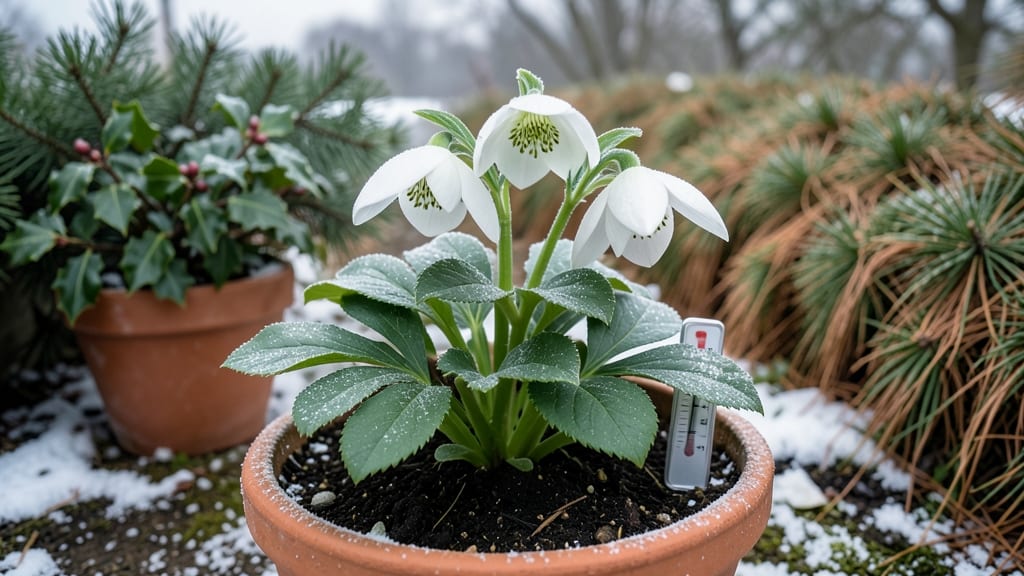
Winter-blooming flowers bring vibrant color to your garden when most plants rest 🌱 — and yes, there are plenty of stunning varieties that thrive in the cold.
Winter gardens don’t have to be dull—discover the stunning cold-hardy flowers that defy frost and bring vibrant color to your landscape when most plants sleep. From delicate snowdrops to bold hellebores, these resilient blooms prove that winter can be just as beautiful as any other season.
Whether you live in a chilly USDA Zone 5 or a milder coastal area, there are winter flowers suited for your climate. Some even reward you with low-maintenance care while adding year-round interest to your yard.
In this guide, I’ll share the top 10 frost-resistant flowers, design tips for winter gardens, and expert care secrets to keep your blooms thriving—no matter how harsh the season gets.
Top 10 winter-blooming flowers that thrive in cold climates
When most gardens lie dormant under winter's chill, cold-hardy flowers stand out as resilient stars of the season. These frost-resistant beauties not only survive freezing temperatures but also reward you with vibrant blooms when other plants sleep.
Whether you're in Zone 3 or Zone 7, these winter-blooming flowers will transform your landscape into a colorful winter wonderland.
Many gardeners assume winter means bare branches, but evergreen shrubs and perennial flowers prove them wrong. From delicate snowdrops peeking through snow to bold camellias in full bloom, these plants have adapted to thrive when temperatures drop.
Their secret? Deep root systems, thick foliage, and specialized blooming cycles that sync with winter's shorter days.
The key to successful winter blooms lies in understanding each plant's hardiness zone and specific care needs. Some varieties prefer partial shade while others bask in full sun, and watering requirements vary dramatically. Let's explore the top 10 cold-climate flowers that will keep your garden vibrant all winter long.
Comparison of Top Winter-Blooming Flowers
| Flower Name | Hardiness Zones | Bloom Time | Sunlight Needs | Key Features |
|---|---|---|---|---|
| Hellebore (Lenten Rose) | 3-9 | Late winter to early spring | Partial shade | Shade-tolerant, deer-resistant, nodding flowers |
| Winter Jasmine (Jasminum nudiflorum) | 5-9 | December to March | Full sun | Bright yellow blooms, fast-growing vine |
| Snowdrops (Galanthus) | 3-9 | January to March | Full sun to partial shade | One of first flowers to bloom, delicate white bells |
| Heather (Calluna) | 4-8 | Fall to winter | Full sun | Dwarf shrub, pink/purple blooms, evergreen foliage |
| Camellia (Winter-Spring) | 7-9 | Winter to early spring | Partial shade | Glossy leaves, showy blooms, slow-growing |
| Pansies (Viola) | 5-10 | Fall to spring | Full sun to partial shade | Cold-tolerant annuals, colorful faces, edible |
| Winter Aconite (Eranthis hyemalis) | 4-8 | January to March | Full sun to partial shade | Bright yellow blooms, early spring harbinger |
| Daphnes (Daphne mezereum) | 5-8 | Late winter | Partial shade | Fragrant pink/purple blooms, toxic but stunning |
| Winter Honeysuckle (Lonicera fragrantissima) | 4-8 | Late winter | Full sun to partial shade | Highly fragrant white blooms, arching stems |
How to create a stunning winter flower garden: design tips and plant pairingsA winter garden can be just as vibrant as a summer one if you choose the right cold-hardy flowers and plan strategically. The key is selecting plants that thrive in chilly temperatures while creating visual interest through texture and color contrasts. With thoughtful design, your garden will stay lively even when most plants are dormant. Start by focusing on layered planting to add depth and movement. Combine evergreen shrubs for structure with seasonal bloomers that pop against the winter backdrop. For example, pair heather with winter jasmine—their contrasting textures and colors create a stunning visual effect. Here’s my go-to plant pairing guide for winter gardens, featuring low-maintenance combinations that deliver year-round interest:
Don’t forget to incorporate seasonal color transitions by choosing plants with staggered bloom times. For instance, hellbores bloom in late winter, while winter aconites appear in early spring. This ensures your garden stays colorful from December through March. For low-maintenance layouts, group plants with similar water and sunlight needs together. Mulch heavily around the base of your winter flowers to insulate roots and retain moisture. A 3-inch layer of organic mulch like shredded bark or straw works wonders in protecting plants from temperature swings. Finally, add winter interest elements like berried shrubs (e.g., cotoneaster) or seed heads from ornamental grasses. These provide structure and texture when flowers are scarce. With these tips, your winter garden will be a year-round showstopper! 🌱 |