
Blooming
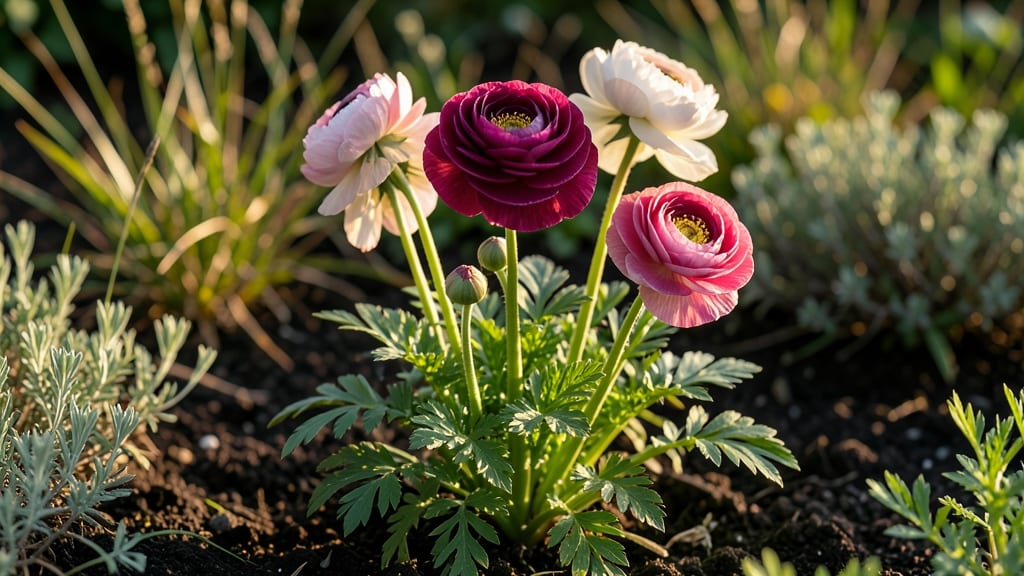
Ranunculus blooms do not last all summer—they typically flower for 4 to 6 weeks in spring, with some varieties reblooming briefly in mild fall climates. Cool-season types thrive in early spring, while heat-sensitive varieties fade by late spring or early summer.
Ranunculus flowers are seasonal powerhouses, but their lifespan depends heavily on your climate and variety. 🌸 Most types peak in early spring when temperatures are cool, then decline as summer heat sets in—this is especially true for classic Persian ranunculus, which bolt (go to seed) quickly when stressed by warmth.
In milder coastal regions or high-altitude gardens, some varieties might surprise you with a second, smaller bloom cycle in early fall before winter dormancy kicks in.
Understanding your local growing zone helps predict bloom timing. For example, heat-tolerant hybrids like 'Butterfly' or 'Purple Haze' can sometimes extend their display into early summer, but even these won't match the endurance of summer-blooming perennials.
The key to maximizing their seasonal performance lies in proper care—like consistent moisture and deadheading spent blooms—which I'll cover in the next section.
💡 In This Article
- Ranunculus Flowering Seasons by Variety and Climate
- How to Prolong Ranunculus Blooms in Your Garden
Ranunculus flowering seasons by variety and climate
Ranunculus blooms thrive as cool-season annuals, meaning their growth and flowering cycles are tightly linked to temperature ranges. Most varieties—especially the classic Persian types—enter dormancy when daytime temperatures consistently exceed 75°F.
This heat sensitivity triggers a biological response where the plant shifts resources from blooming to seed production, often within 2-3 weeks of prolonged warmth. The science behind this involves ethylene gas production, which accelerates as temperatures rise, signaling the plant to bolt (go to seed) rather than continue flowering.
Climate plays a dramatic role in bloom duration. In USDA zones 5-7, ranunculus typically bloom from late March to early May, while in warmer zones 8-10, they may flower as early as February but fade by late April.
Some heat-tolerant hybrids like 'Black Velvet' or 'Peach Fuzz' can extend their display into early summer, but even these varieties rarely last beyond 8 weeks total. The exception occurs in coastal or high-altitude regions where cooler summer nights help maintain blooms for an extra 2-4 weeks.
Variety selection is your first tool for extending the season. Cool-season types like 'White Pearl' or 'Pink Champagne' bloom prolifically in spring but wilt by early summer, while heat-tolerant varieties may offer a brief reprieve.
What most gardeners don't realize is that even heat-tolerant ranunculus require careful planting timing—sowing seeds 8-10 weeks before your last frost date ensures they establish strong roots before summer heat arrives, delaying bolting by 1-2 weeks.
This timing window varies by region: in Zone 5, aim for early February sowing, while in Zone 9, late October planting works best.
Soil temperature also influences bloom duration. Ranunculus roots prefer soil temps between 50-65°F—below 50°F, growth slows, while above 70°F, the plant accelerates its life cycle.
In warmer climates, using shade cloth (30-50% coverage) can lower soil temps by 5-10°F, potentially adding 2-3 weeks to the bloom season. The trade-off? Reduced sunlight may slightly diminish flower size, but the extended display often makes it worthwhile for cut-flower growers.
Seasonal light changes also factor in. Ranunculus are short-day plants, meaning they flower in response to decreasing daylight hours—a trait that explains their spring peak. As summer solstice approaches and daylight extends beyond 14 hours, most varieties stop producing new blooms entirely, focusing instead on seed development.
This photoperiod sensitivity is why you'll rarely see ranunculus rebloom in summer unless you're in a region with naturally shorter summer days (like the Pacific Northwest).
Consider these key factors when planning your ranunculus season:
- Climate zone: Zones 5-7 get 6-8 weeks of blooms; zones 8-10 may see 4-6 weeks
- Variety choice: Heat-tolerant types add 1-2 weeks to summer blooms
- Planting timing: Sow 8-10 weeks before last frost for optimal root establishment
- Soil management: Maintain 50-65°F** soil temps to delay bolting
- Light exposure: Provide afternoon shade in hotter climates to reduce stress