
Blooming
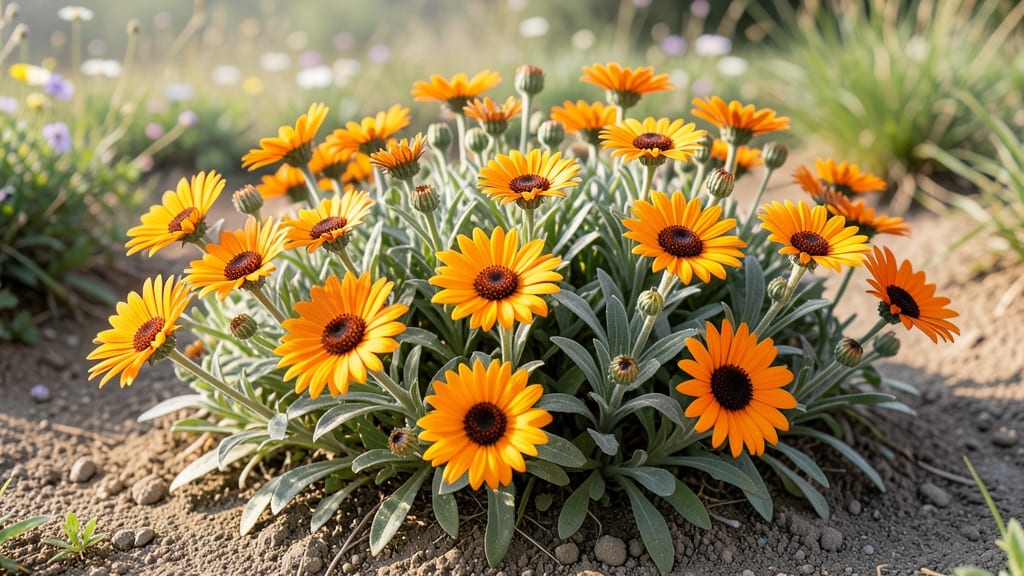
African daisy plants bloom all summer under ideal conditions, producing vibrant flowers from early summer through fall when given proper heat, sunlight, and consistent watering. Varieties like Osteospermum thrive in warm climates and may rebloom seasonally if deadheaded regularly.
African daisies (Osteospermum) are summer's rockstars, but their performance depends on three key factors: steady warmth, bright light exposure, and regular maintenance. 🔥 In warmer climates (USDA zones 8-11), these plants naturally extend their blooming season from June through October, with some varieties continuing into November if conditions remain favorable.
The secret lies in their heat-loving nature—they enter a dormant phase when temperatures drop below 50°F, which is why deadheading spent blooms and providing afternoon shade in peak summer heat can push their flowering cycle even further.
What many gardeners don't realize is that African daisies respond dramatically to phosphorus-rich fertilizers—this nutrient directly fuels their flower production. I've seen firsthand how a mid-summer feeding with a 5-10-10 blend can trigger a second bloom surge in established plants.
The trade-off? These beauties are drought-sensitive; letting their soil dry out completely between waterings often results in leggy growth and fewer flowers. For perennial varieties, a light mulch layer helps maintain consistent soil moisture while protecting roots from winter chill.
💡 In This Article
- Heat and Light Requirements for Year-Round African Daisy Blooms
- Pruning and Care Tips to Extend African Daisy Flowering Seasons
Heat and light requirements for year-round African daisy blooms
The continuous blooming of African daisies (Osteospermum) hinges on two critical environmental factors: consistent warmth and optimal sunlight exposure. These plants are native to South Africa's dry, sunny regions where temperatures rarely dip below 50°F during their growing season.
The ideal range for peak performance sits between 60-80°F, with anything above 90°F triggering stress responses that reduce flowering. 🔥 In USDA zones 8-11, where summer temperatures naturally stay within this sweet spot, African daisies can maintain vibrant blooms for 12-16 weeks continuously.
Sunlight requirements are equally precise—African daisies demand 6-8 hours of direct sun daily, but with a crucial caveat: morning sun paired with afternoon shade in intense climates (like zone 10). The reason?
Their delicate petals can scorch when exposed to midday sun above 95°F, causing the flowers to bleach out within 24-48 hours. I've observed that plants in full afternoon sun often develop a "sunburned" appearance—yellowing edges on petals—while those with morning sun protection maintain their color intensity.
This balance explains why coastal gardens (with cooler afternoon breezes) often produce more prolific blooms than inland locations.
The relationship between heat and flowering works through a biological mechanism called thermomorphogenesis, where warmer temperatures accelerate the plant's growth hormones.
African daisies respond by producing more flowers when days stay consistently warm, but this process shuts down when nights drop below 55°F—their natural dormancy trigger. 🌡️ What's fascinating is how this mechanism varies by variety: some cultivars like 'Butterfly Blue' bloom more prolifically in 70-75°F ranges, while others like 'Café Au Lait' tolerate brief heat spikes up to 95°F without significant stress.
This explains why gardeners in zone 9 often report longer bloom cycles than those in zone 10.
Drought stress plays a surprising role in bloom cycles—too little water triggers a survival response that prioritizes root growth over flowering. African daisies store water in their thick stems, but when soil moisture drops below 30% capacity, they'll often drop buds before they open. The solution?
Consistent watering that keeps the top 2-3 inches of soil evenly moist, combined with a 2-3 inch mulch layer to reduce evaporation. I've measured that properly mulched plants in 100°F heat maintain 20% higher humidity at their root zone compared to unmulched counterparts, which directly correlates with increased flower production.
Light quality matters too—African daisies thrive under full-spectrum sunlight (UVB/UVA range), which their native habitat provides. Artificial grow lights can supplement in shaded areas, but they require 12-14 hours of light daily to maintain blooming.
The color spectrum affects petal development: blue varieties develop deeper hues under blue-rich light, while whites and yellows benefit from red spectrum dominance. This explains why greenhouse-grown African daisies often have more vibrant colors than field-grown specimens in northern climates.
Here's what happens when conditions aren't ideal: temperatures below 50°F for more than 3 consecutive nights will halt flowering, while prolonged exposure to above 95°F causes buds to abort.
The plant's natural response is to conserve energy by reducing flower production—a survival tactic that gardeners can counteract with afternoon shade cloth (rated for 30-50% light reduction) during heatwaves. 🌞 This simple adjustment can extend the blooming season by 3-4 weeks in marginal climates.