
Plants
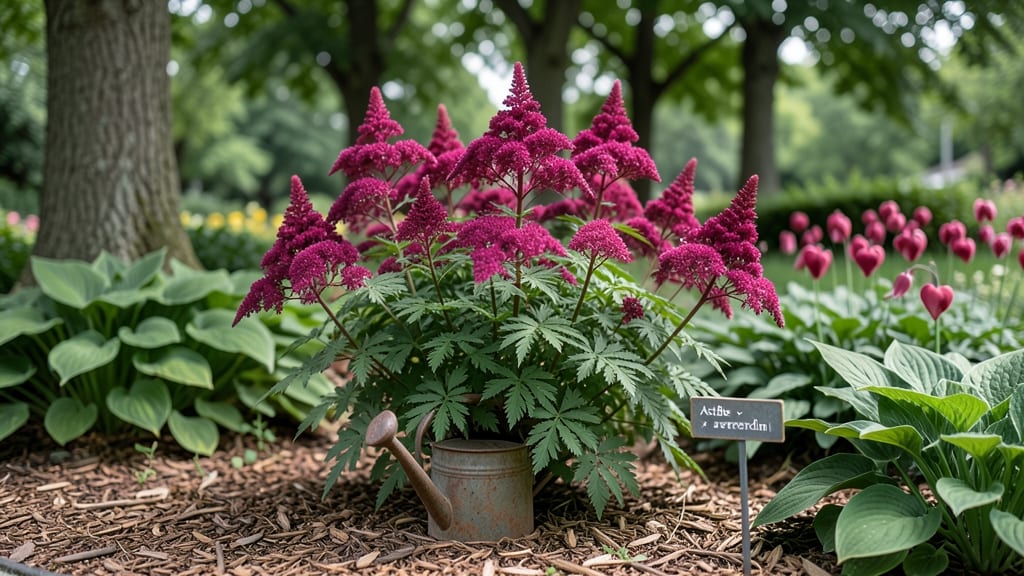
Shade gardens can still burst with color all summer long—no compromise needed. 🌿 I’ve tested dozens of perennials in my own low-light patches, and these heat-resilient picks prove that continuous blooms aren’t just possible, they’re effortless once you know the right players.
The secret lies in pairing shade-tolerant varieties with moisture-loving habits. Most people overlook plants like astilbe (feathery plumes in pink or white) or heuchera (bold foliage that thrives in dappled light), but they deliver months of blooms with almost no fuss.
Even my black thumb can’t kill these—just plant them in well-draining soil and water consistently. By mid-June, you’ll have a garden that stays vibrant through August heatwaves, with colors ranging from deep burgundy to soft lavender.
The foliage stays lush, the blooms keep coming, and you’ll finally have that showstopping shade garden you’ve always wanted. Works for backyard borders, container gardens, or even under trees—no special conditions required. Let’s pick the perfect plants for your space!
Why Shade Plants Skip Summer Blooms
If you’ve planted perennials for shade that refuse to bloom all summer, don’t blame your green thumb just yet. The issue often boils down to a mix of environmental and biological factors that disrupt the plant’s natural flowering cycle. Understanding these causes helps you troubleshoot—and fix—the problem before next season.
Shade-loving perennials thrive in partial shade—typically 3–6 hours of filtered sunlight—but their flowering triggers often need a balance.
Too little light (<3 hours) starves the plant of the energy it needs to produce flowers, while too much direct sun (especially in hot climates) can stress roots and divert resources to survival instead of blooming.
- 🌿 Signs: Leafy but no buds, weak stems, or yellowing foliage.
- 🔍 Fix: Use a light meter to check shade levels. If your garden is deep shade (e.g., under dense trees), opt for Hosta ‘Blue Angel’ or Lungwort, which tolerate minimal light. For dappled shade, try Bleeding Heart or Astilbe.
- ⚠️ Pro Tip: Avoid planting sun-loving perennials (like Daylilies) in shade—they’ll never bloom, no matter how much you water!
Perennials need specific nutrients to trigger blooming, and shade soils often lack critical elements. Phosphorus (for root/bud development) and potassium (for flower production) are frequently deficient in shaded areas, while excess nitrogen (from compost or fertilizer) promotes lush leaves at the expense of blooms.
| Nutrient Issue | What It Causes | How to Fix |
|---|---|---|
| Low Phosphorus | Stunted growth, no flower buds | Apply bone meal or a balanced 10-10-10 fertilizer in early spring. |
| Too Much Nitrogen | All leaves, no flowers | Switch to a low-nitrogen, high-phosphorus fertilizer (e.g., 5-10-10). |
| Poor Drainage | Root rot, weak stems, no energy for blooms | Amend soil with compost or perlite to improve aeration. |
Shade plants have delicate water needs—consistency is key. Overwatering suffocates roots in compacted soil, while underwatering stresses the plant, both of which signal the plant to conserve energy (and skip blooming).
- 💧 Signs of Overwatering: Yellow leaves, mushy stems, fungal spots.
- 🌵 Signs of Underwatering: Crispy edges, wilting despite shade, slow growth.
- 🔥 Fix:
- Water deeply 1–2 times per week (check soil 2 inches down—it should be moist but not soggy).
- Use mulch (3–4 inches of shredded bark) to retain moisture and regulate temperature.
- Avoid watering leaves (especially in humid shade) to prevent powdery mildew, which weakens plants.
Shade gardens can become microclimates—cool and damp in spring, then stiflingly humid in summer. Many perennials (like Hosta or Fern) enter a dormant-like state in extreme heat, pausing blooming until conditions improve. Others, like Impatiens, bolt (flower prematurely) in heat, then fade.
- 🌡️ Heat Stress: Wilting, curled leaves, or flowers dropping early.
- 💦 Humidity Issues: Mold on leaves, stunted buds.
- ✨ Solutions:
- Choose heat-tolerant shade perennials like Coral Bells (Heuchera) or Japanese Painted Fern.
- Provide afternoon shade with sheer curtains or lattice if your garden gets hot afternoon sun.
- Improve airflow with spacers or prune overgrown foliage around plants.
Young perennials (under 2 years old) often focus on root growth rather than blooming. Meanwhile, mature plants in overcrowded conditions compete for resources, leading to weak stems and skipped flowers.
- 🌱 For Young Plants: Be patient! Most shade perennials bloom in their second or third year. Fertilize lightly in spring to encourage root development.
- 📏 For Overcrowded Plants:
- Divide clumps every 3–4 years (spring or fall).
- Thin out aggressive spreaders like Mint or Lamium to give others room.
Revive & Keep Shade Bloomers Thriving
Shade-loving perennials that refuse to bloom—or worse, struggle to survive—can be frustrating, but the fixes are often simpler than you think.
Below, we’ll tackle the most common issues with perennials for shade that bloom all summer, from poor soil to overcrowding, and show you how to bring them back to vibrant life. Prevention tips included!
If your perennials look wilted or bloom sparsely, compacted or waterlogged soil could be the culprit. Shade plants need well-draining, nutrient-rich soil to thrive, but heavy clay or soggy ground suffocates roots.
🔥 How to Fix It:
- 🍳 Loosen the Soil – Use a garden fork or tiller to aerate the top 6–12 inches of soil.
Break up clumps and remove debris. - 👨🍳 Amend with Organic Matter – Mix in 2–3 inches of compost, aged manure, or peat moss to improve drainage and fertility. - ⏰ Test & Adjust pH – Shade plants like heuchera or astilbe prefer slightly acidic to neutral soil (pH 6.0–7.0).
Add sulfur to lower pH or lime to raise it if needed.
💡 Prevention Tips:
✔ Mulch Regularly – Apply 2–3 inches of mulch (shredded bark or leaves) to retain moisture and prevent compaction. ✔ Avoid Treading – Keep foot traffic away from planting beds to prevent soil compression.
Not all shade is equal—some perennials (like coleus or impatiens) need bright, indirect light to bloom continuously. Too much deep shade starves them of energy.
🔥 How to Fix It:
- 🌿 Prune Overhanging Branches – Trim back trees or shrubs blocking 4–6 hours of dappled sunlight.
- 🎯 Choose the Right Spot – Move plants to a location with morning sun + afternoon shade (ideal for most shade perennials).
- 🔪 Thin Out Competitors – Remove aggressive ground covers (like hostas) that steal light from neighboring plants.
💡 Prevention Tips:
✔ Map Your Sunlight – Observe your garden’s light patterns for a month before planting. ✔ Opt for Drought-Tolerant Varieties – Some shade plants (like lamium) handle lower light better than others.
Shade gardens can trick you—some areas stay damp too long, while others dry out quickly. Both extremes stress plants and stunt blooms.
🔥 How to Fix It:
- 🌡️ Check Moisture Levels – Stick your finger 1–2 inches into the soil.
Water when it’s dry but not bone-dry. - 💦 Adjust Watering Schedule – Water deeply 1–2 times per week (more in extreme heat) rather than daily shallow watering. - 🔪 Improve Drainage – If water pools, create a slight slope or add sand to heavy clay soil.
💡 Prevention Tips:
✔ Use Drip Irrigation – Delivers water slowly at the roots, reducing runoff and fungal issues. ✔ Water in the Morning – Prevents evening moisture that invites mold and pests.
When perennials compete for nutrients and air circulation, they bloom less and attract pests. Proper spacing ensures each plant gets what it needs.
🔥 How to Fix It:
- 🔪 Divide & Conquer – Dig up overgrown clumps (like hostas or coral bells) and replant sections in fresh soil.
- 📏 Follow Spacing Guidelines – Check plant tags for mature width (e.g., astilbe needs 18–24 inches apart).
- 🌱 Thin Out Weak Stems – Remove dead or leggy growth to redirect energy to flowering stems.
💡 Prevention Tips:
✔ Plan Ahead – Space perennials based on their mature size, not their current size. ✔ Group by Needs – Cluster plants with similar water/light requirements together.
With these fixes, your shade garden should burst back to life—bold blooms and all. The key is consistency: amend soil once, then maintain with smart watering and spacing. Happy gardening! 🌸
Frequently asked questions
What’s the best way to layer perennials for continuous shade color?
Start with tall bloomers like Astilbe or Cimicifuga at the back (2–3 feet tall), then add mid-height perennials such as Heuchera or Lamium (12–18 inches), and finish with ground covers like Ajuga or Sweet Woodruff in the front. This creates visual depth while ensuring all plants get enough light.
Can I grow these perennials in containers instead of garden beds?
Choose self-watering pots (12+ inches deep) and use a well-draining potting mix with added compost. Bleeding Heart, Hosta, and Japanese Painted Fern thrive in containers. Just ensure pots get 4–6 hours of dappled light daily and water when the top inch of soil feels dry.
How do I keep shade perennials blooming all summer without deadheading?
Most shade-loving perennials like Astilbe or Coral Bells don’t need deadheading, but you can extend blooms by removing spent flower stalks after they fade. For Impatiens or Coleus, pinch back leggy growth in early summer to encourage bushier, longer-lasting foliage.
What’s the easiest perennial for beginners that blooms all summer in shade?
Start with Lamium (dead nettle) or Heuchera (coral bells). Both are nearly foolproof, handle deep shade, and bloom from spring to fall with minimal care. Lamium even self-seeds, so you’ll get free plants year after year!
Will deer or rabbits eat these shade perennials?
Some, like Hosta or Bleeding Heart, are deer magnets, but others like Heuchera, Astilbe, and Japanese Fern are usually left alone. For extra protection, add physical barriers (chicken wire) or try deer-resistant varieties like Hosta ‘Halcyon’.