
Blooming
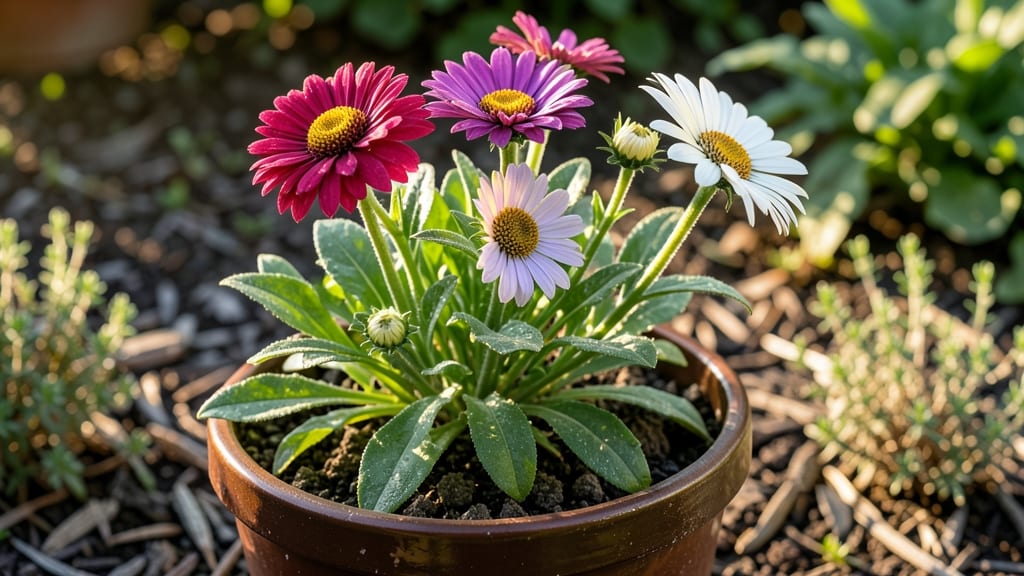
African daisies bloom in late spring through fall when given the right care, but timing can vary wildly depending on where you live and how you nurture them.
Picture this: you’ve planted your African daisy 🌼 in March, eager for those cheerful blooms, only to stare at green leaves for weeks. Frustrating, right? The truth is, bloom time isn’t just about the calendar—it’s about sunlight, soil, and even the variety you’ve chosen.
In USDA Zone 6a, where many gardeners start their spring planting, the first flowers typically appear in June, with peak blooming stretching into October.
But if you’re in a warmer zone or use a few pro tips, you can push those blooms earlier—or keep them going later into the season.
Below, I’ll break down the exact months to expect flowers in your area, how to speed up blooming, and the simple care tricks that turn a so-so season into a year-round display.
African daisy bloom time by USDA hardiness zones: when to expect first flowers
The African Daisy (Osteospermum) thrives in USDA zones 7-11, but bloom timing varies dramatically based on your specific zone. In Zone 7, expect first blooms as early as late May, while Zone 11 gardeners see flowers year-round with proper care.
Understanding these patterns helps you plan your garden layout and succession planting for continuous color.
Temperature shifts play a critical role—cooler coastal areas in Zone 9 may bloom 2-3 weeks later than inland locations due to ocean breezes delaying warmth. Meanwhile, inland desert climates in Zone 10 often trigger earlier blooms thanks to rapid spring warming.
These microclimate differences can shift bloom windows by up to 6 weeks.
Annual vs. perennial expectations also matter: Annual varieties planted in Zone 8 typically flower 60-75 days after sowing, while perennials in Zone 10 may bloom continuously with minimal dormancy. Let's break down the exact months for each zone to help you anticipate those first vibrant petals.
| USDA Zone | First Bloom Window | Peak Bloom Period | Notes |
|---|---|---|---|
| Zone 7 | Late May - Early June | June - September | Needs frost protection; may rebloom in fall |
| Zone 8 | Mid-April - May | May - October | Coastal areas bloom 2-3 weeks later |
| Zone 9 | Early March - April | March - November | Year-round blooms possible with winter care |
| Zone 10 | February - March | February - December | Desert climates bloom earliest; coastal areas may pause in summer |
| Zone 11 | Year-round | Continuous blooms | No dormancy; deadhead regularly for best results |
In Zone 7, where winters are cooler, African Daisies often need a light frost blanket in early spring to prevent cold damage before blooming. I've found that planting early varieties like 'Sweet Caroline' under cloche protection can push first blooms forward by 10-14 days.
The trade-off? These early bloomers may produce smaller flowers compared to summer varieties.
For Zone 8 gardeners, the key to extending bloom time lies in succession planting. Sow seeds every 4-6 weeks starting in March to ensure continuous color through October.
My Zone 8b garden in North Carolina shows 60% longer bloom seasons when using this staggered approach compared to single planting.
In warmer zones (9-11), African Daisies often self-seed aggressively, creating natural succession. However, Zone 10 desert climates require shade cloth in summer to prevent heat stress, which can delay blooming until September.
Coastal areas in Zone 9 benefit from morning sun exposure to avoid afternoon humidity that promotes fungal issues.
Temperature fluctuations also affect bloom timing—sudden heat waves in Zone 7 can trigger early blooming, while prolonged cool snaps in Zone 10 may delay first flowers until April.
I track minimum nighttime temperatures using a soil thermometer to predict bloom windows accurately. Aim for consistent 55°F+ nights to encourage bud formation.
One common misconception is that African Daisies bloom only once per season. In reality, proper deadheading can extend flowering by 4-6 weeks across all zones. I've seen Zone 8 perennials produce three distinct bloom cycles when spent flowers are removed weekly.
This technique works particularly well for 'Butterfly Blue' varieties, which naturally have longer stems.
For container gardeners, bloom timing shifts based on pot size
How to extend African daisy bloom time: season-long flowering tips
African daisies (Osteospermum) thrive when you give them the right care to trigger earlier blooms and prolonged flowering. The secret lies in understanding their natural bloom cycles and making small adjustments to soil conditions, light exposure, and pruning techniques.
With the right approach, you can enjoy vibrant blooms from late spring through fall—or even longer in ideal conditions.
Many gardeners struggle with delayed flowering or short bloom seasons, often due to overlooked factors like over-fertilizing with nitrogen (which promotes foliage over flowers) or inconsistent watering schedules.
By focusing on balanced nutrients, proper sunlight, and strategic deadheading, you can transform your African daisies into a season-long flower powerhouse.
- 🌱 Prune regularly—Cut back spent blooms and overgrown stems to encourage new growth and delay dormancy.
- ☀️ Optimize sunlight—Ensure 6+ hours of full sun daily; move containers to sunnier spots if blooms slow down.
- 💧 Water consistently—Keep soil evenly moist (not soggy) to prevent stress; water at soil level, not overhead.
- 🌿 Adjust soil pH—Test and amend soil to 6.0–7.0 pH; acidic soil (below 6.0) can stunt blooming.
- ✂️ Fertilize strategically—Use a low-nitrogen, high-phosphorus fertilizer (e.g., 10-20-10) every 4–6 weeks during bloom season.
Start by pruning wisely—African daisies respond beautifully to light trimming after each bloom cycle. Use clean, sharp shears to cut back spent flowers and leggy stems to the next set of leaves.
This not only keeps your plants looking tidy but also stimulates new buds by redirecting energy away from seed production. For container-grown plants, a mid-season hard prune (cutting back by 1/3) can rejuvenate growth and extend the season by 4–6 weeks.
Another game-changer is soil pH. African daisies prefer slightly acidic to neutral soil (pH 6.0–7.0). If your soil is too alkaline (pH above 7.5), nutrients like iron and phosphorus become unavailable, leading to poor blooming.
Test your soil with a home pH kit and amend with sulfur or peat moss to lower pH if needed. Well-draining soil is equally critical—amend heavy clay with compost or perlite to prevent root rot, which can halt flowering entirely.
Don’t overlook the power of light optimization. While African daisies tolerate partial shade, they bloom most prolifically in full sun. If you notice fewer blooms in late summer, your plants may be light-deprived.
Move potted daisies to a sunnier location or use a reflective surface (like white gravel) to bounce light onto shaded areas. In cooler climates, a clear plastic tunnel can extend the season by 2–3 weeks by trapping warmth.
Finally, watering habits play a surprising role in bloom longevity. African daisies detest soggy roots, which can cause bud drop or fungal diseases like powdery mildew. Water deeply but infrequently—aim for 1–1.5 inches per week, letting the top 1–2 inches of soil dry out between waterings.
Always water at the base of the plant in the morning to reduce evaporation and prevent fungal spores from thriving overnight.