
Blooming
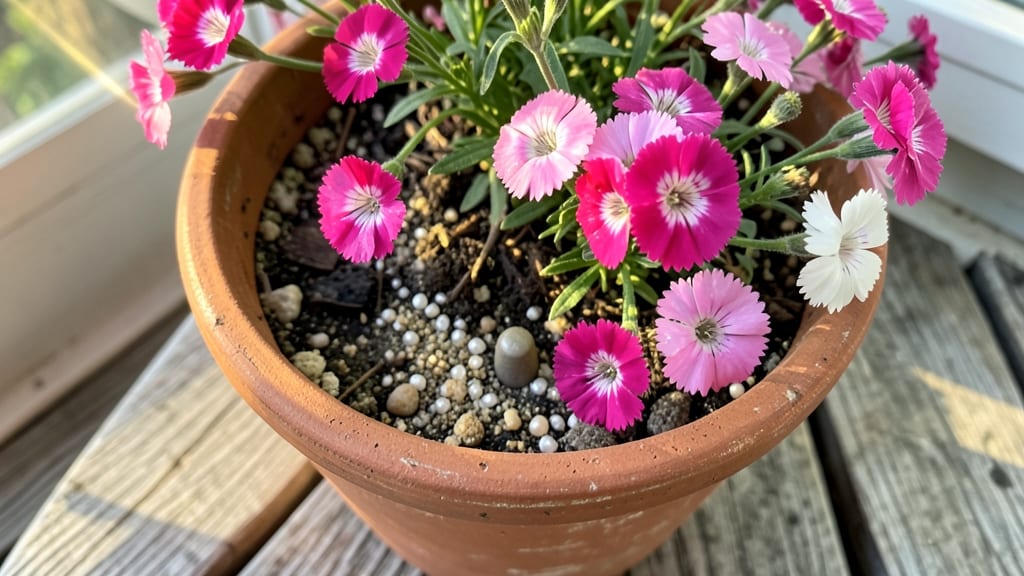
Want vibrant dianthus flowers blooming in every season? Understanding their bloom triggers unlocks year-round garden color. These 10 varieties and techniques reveal when, why, and how to coax stunning dianthus flowers from spring through fall.
Sweet William Dianthus for Spring Blooms
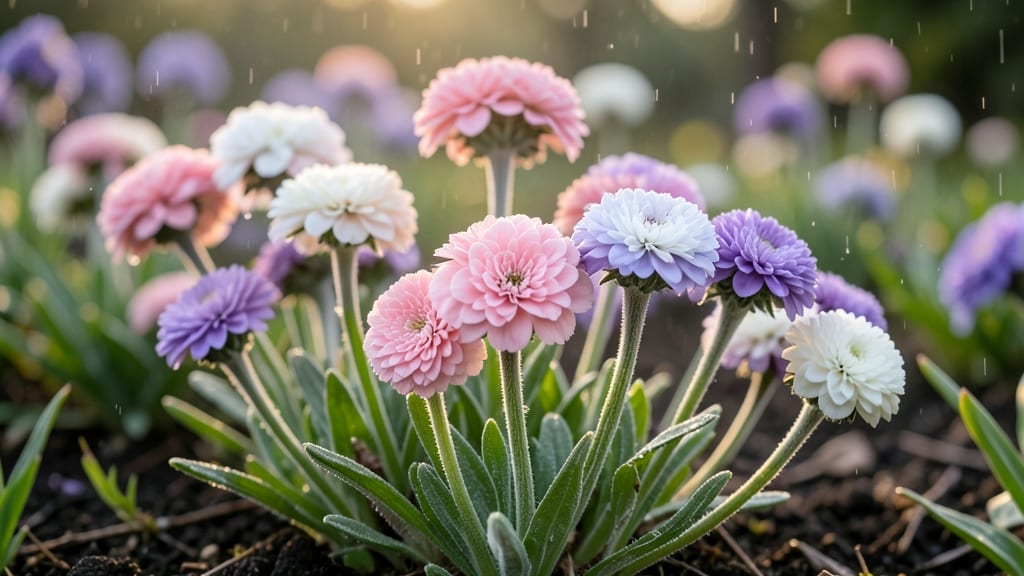
When spring arrives with its crisp air and gentle rains, Sweet William Dianthus bursts onto the scene like a fragrant surprise. This beloved biennial thrives in cool weather, offering clusters of delicate, clustered blooms in shades of pink, white, and purple that brighten borders and bouquets alike.
Plant seeds in early spring or late summer for a springtime show, as Sweet William prefers full sun to partial shade and well-drained soil. Deadhead spent blooms to encourage continuous flowering, and watch as these cut-flower favorites add height and texture to arrangements. Their fragrant blooms also attract pollinators early in the season.
Perfect for beginners or urban gardeners with limited space, Sweet William’s low-maintenance nature and early-season charm make it a must-have for spring gardens. 🌷
Perennial Rainbow Dianthus Summer Heat Tolerance
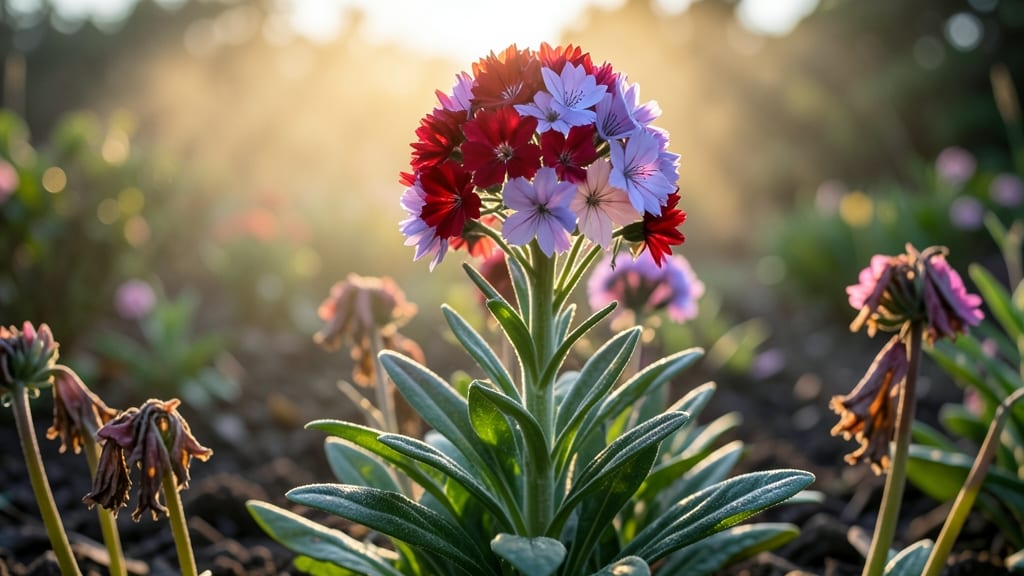
When summer heat turns other flowers into wilting shadows, Rainbow Dianthus stands tall with its heat-resistant charm. This perennial variety thrives in temperatures that would stress most plants, delivering continuous blooms from June through September with minimal fuss.
To keep these vibrant flowers performing at their best, water deeply 2-3 times per week during peak heat, focusing on the root zone to encourage strong growth. They handle full sun exposure beautifully, making them perfect for southern exposures or drought-prone regions. The key is well-draining soil - amending with compost before planting prevents root stress while maintaining their drought tolerance.
This variety is a game-changer for gardeners in hot climates who want year-round color with less water. Perfect for rock gardens, borders, or containers, Rainbow Dianthus proves you can have stunning blooms without constant care. 🌻
Cheddar Pink Dianthus Late Summer Rebloom
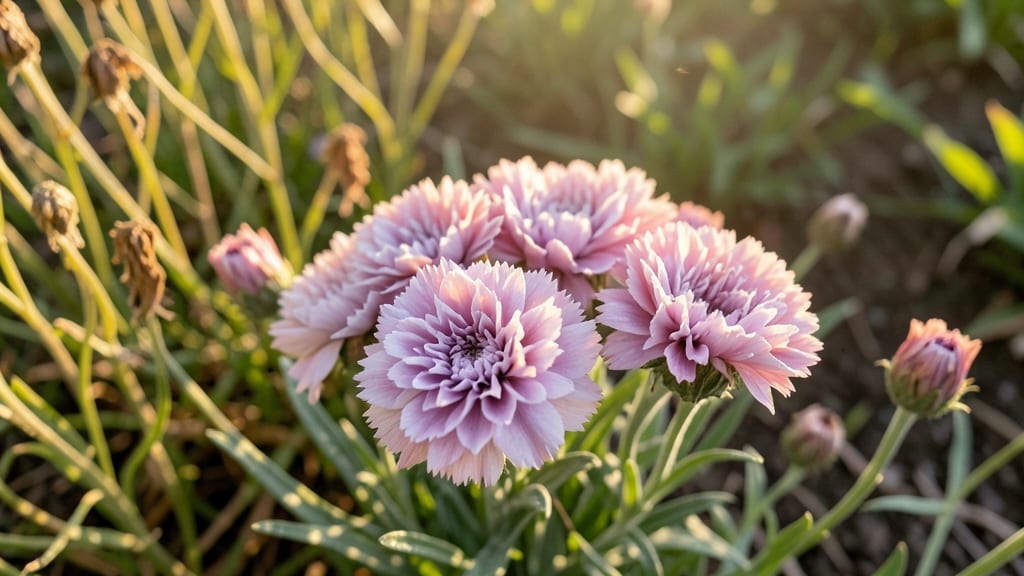
When your summer garden starts to fade, Cheddar Pink Dianthus arrives like a surprise party guest—bursting into bloom just as other flowers call it quits. This isn’t your average late-season bloomer; it’s a temperature-sensitive variety that responds to the perfect late-summer dip in heat, rewarding you with clusters of soft pink blooms with deep violet centers.
To trigger this second bloom, plant in full sun locations where temperatures hover between 65-75°F in late August. Prune back spent blooms in early summer to encourage new growth, then let nature do the rest—this variety thrives on the natural temperature shifts of late summer without extra fuss. Perfect for cottage gardens or containers, it adds a romantic touch when most gardens are winding down.
Urban gardeners and small-space planners will love this variety—it’s compact yet prolific, giving you months of color when you least expect it. 🌷
How Light Intensity Triggers Dianthus Blooms
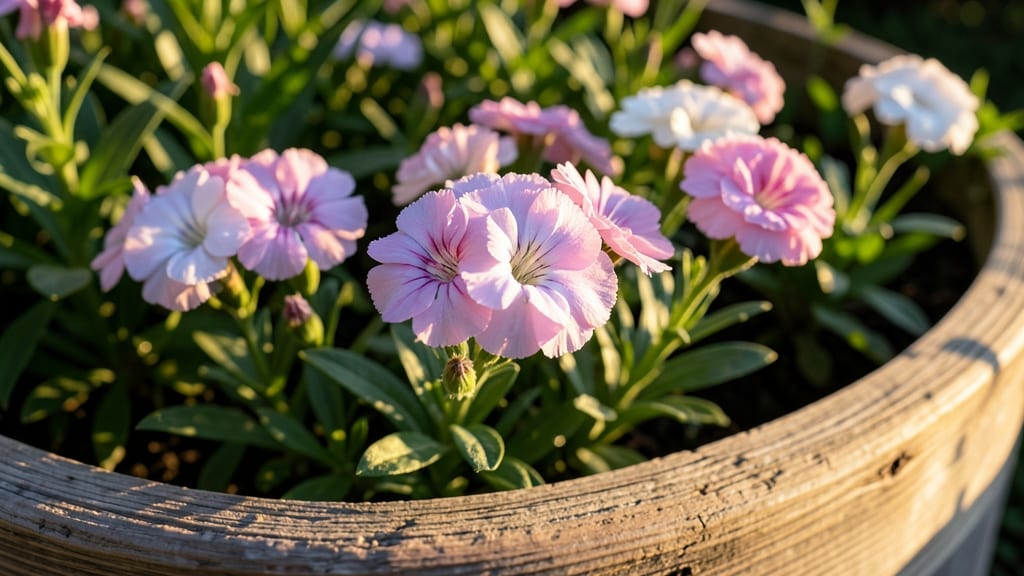
Did you know your dianthus can bloom for weeks longer just by tweaking its light exposure? Unlike many flowers, dianthus responds dramatically to light intensity shifts, making it perfect for small spaces where sunlight varies throughout the day.
Start by placing your plants in 6 hours of direct sun daily—this triggers the photoperiodic response that kickstarts blooming. For container gardens, rotate pots every few days to ensure even light exposure. If you notice sparse blooms, try moving plants to a slightly sunnier spot, as dianthus often needs more light than expected to produce abundant flowers.
Urban gardeners with limited balconies will love this hack: use reflective surfaces like white walls or mirrors to bounce extra light onto your dianthus, effectively extending their bloom time without extra space. 💡
Cool-Season Dianthus for Fall Color Extension
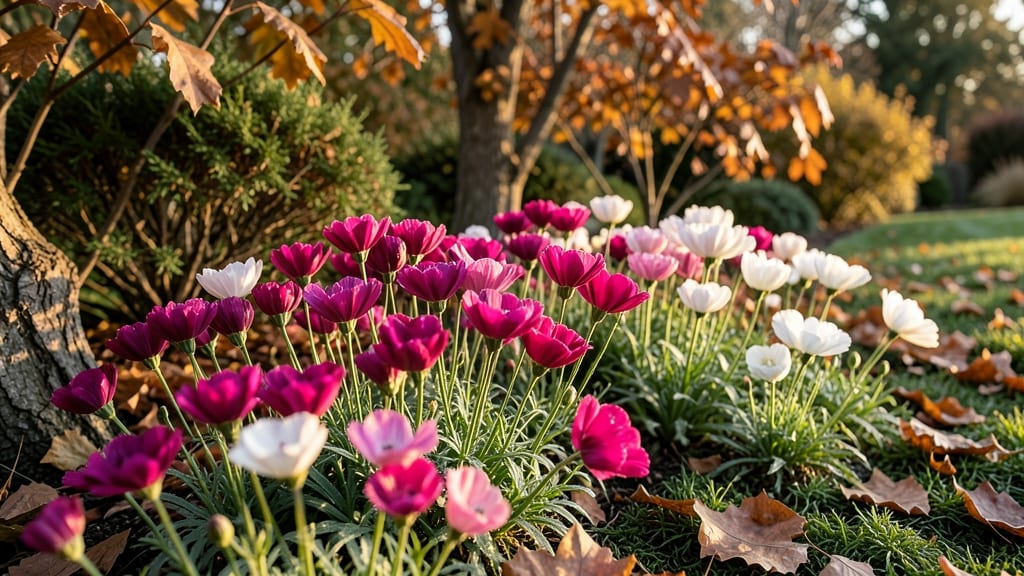
When most gardens fade into browns and golds, cool-season dianthus bursts into color—delivering vibrant blooms that defy autumn's chill. These specialized cultivars thrive as temperatures dip, making them the secret weapon for extending your garden's season with late-season arrangements that last from September through November.
Look for varieties like 'Firewitch' series or 'Mystic Tides', bred to respond to cooler nights and crisp mornings. Plant them in full sun to partial shade with well-drained soil, and deadhead spent blooms to encourage new growth. Their fragrant flowers—ranging from deep purples to soft pinks—add texture and color to bouquets and borders when other plants have quit blooming.
Perfect for gardeners who love cottage-style gardens or want to keep cutting gardens full through fall, these dianthus varieties prove that autumn can be just as colorful as spring. 🌻
Deadheading Techniques for Prolonged Blooming
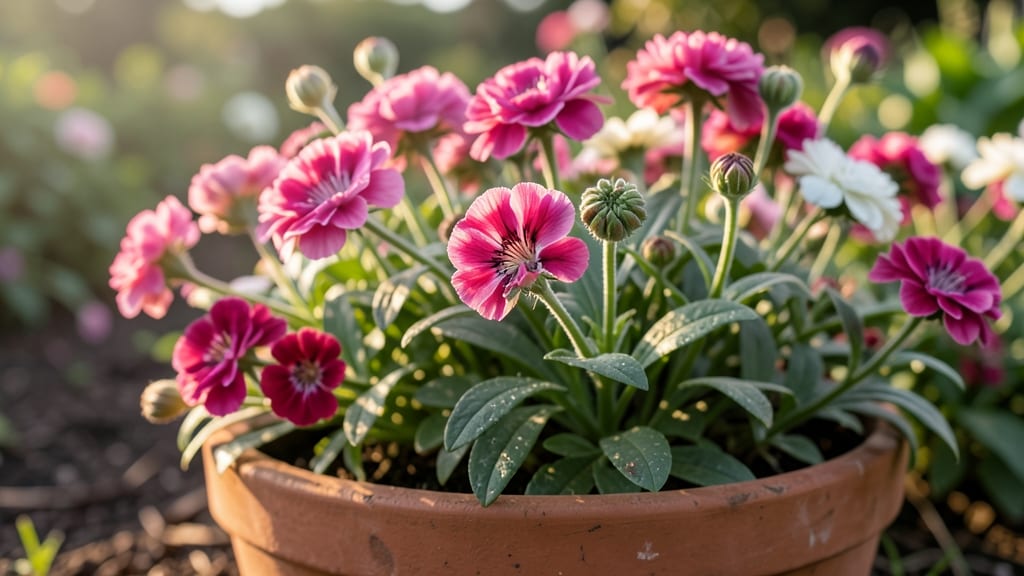
Tired of your dianthus putting all its energy into seeds instead of more flowers? Deadheading is the secret weapon to keep your plants blooming longer—even for 6-8 weeks beyond their natural cycle. This simple technique redirects energy from spent blooms back into new flower production, giving you that coveted year-round color.
Start by pinching or snipping off faded blooms just above the first set of healthy leaves using clean, sharp pruners or even your fingernails. For clumping varieties, remove entire stems down to the base, while trailing types only need the dead flowers trimmed. Do this every 2-3 days during peak bloom season to maintain a steady supply of fresh flowers. The key is consistency—skipping even a few days can break the bloom cycle.
This method works wonders for beginner gardeners and experienced growers alike, especially if you love cutting flowers for arrangements. With proper deadheading, your dianthus will reward you with lush, continuous blooms that keep your garden vibrant. 🌻
Soil pH Adjustments for Optimal Blooming
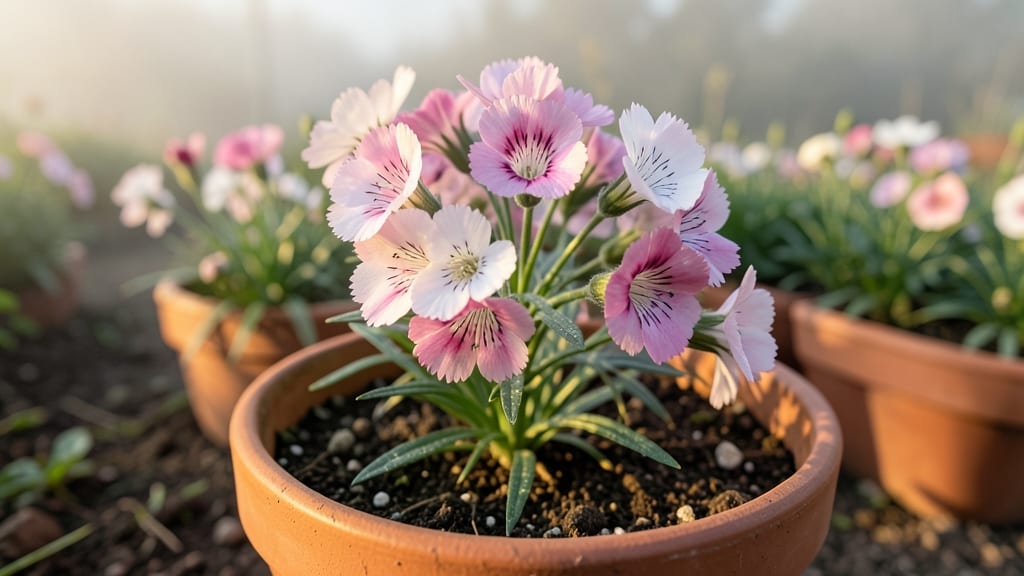
Did you know your dianthus might be hiding its full potential because of soil pH? These delicate flowers thrive when the soil pH aligns with their natural preferences—slightly acidic to neutral—which directly impacts both bloom timing and intensity.
Most dianthus varieties prefer a soil pH between 6.0 and 7.0, with perennial types often tolerating a slightly higher pH (closer to 7.0) for robust blooms. Annual varieties, like Sweet William, may struggle in alkaline soils (pH 7.5+), leading to weaker stems and fewer flowers. Test your soil with a simple kit, then amend with elemental sulfur (to lower pH) or pelletized lime (to raise it) for optimal results.
Adjusting pH isn’t just for experts—even urban gardeners can use pre-mixed pH-adjusted soils in containers. Get this right, and you’ll unlock earlier, brighter, and longer-lasting blooms that stand out in any garden. 💚
Dianthus Varieties That Bloom Year-Round
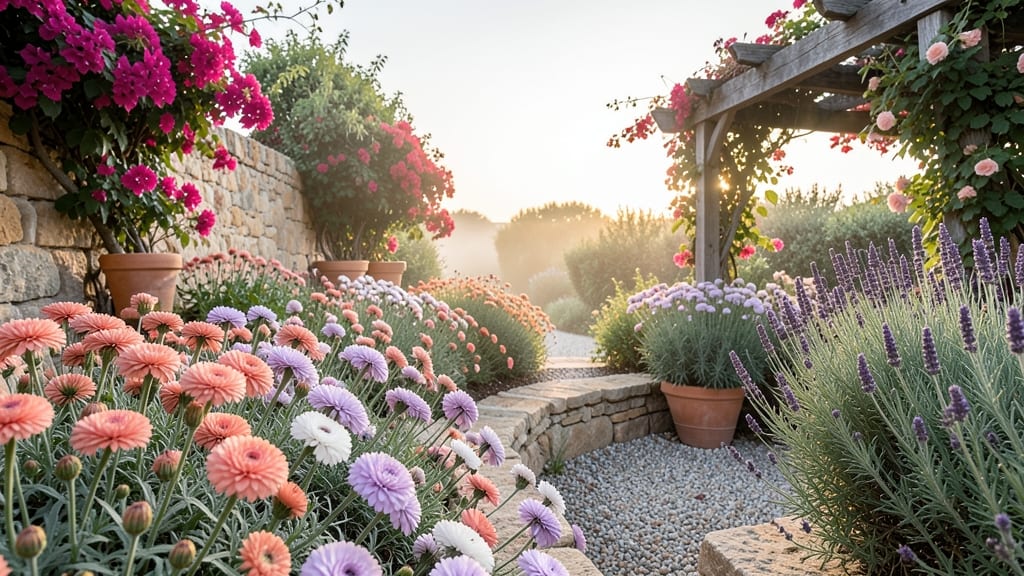
If you live near the coast or dream of a Mediterranean-style garden, these year-round blooming dianthus varieties will transform your space into a perpetual floral display. Unlike seasonal varieties that fade with the seasons, these cultivars thrive in coastal climates with their natural resistance to salt spray and steady temperatures.
Look for 'Firewitch' series (deep pinks and purples) or 'Firefly' hybrids (bright magenta and white), both bred to bloom continuously when given 6+ hours of sun daily and well-draining soil. Mulch with gravel to mimic coastal conditions and fertilize lightly every 6 weeks with a low-nitrogen formula to encourage blooms over foliage. These varieties handle humidity and ocean breezes better than traditional dianthus, making them ideal for seaside gardens.
Coastal gardeners and urban balcony growers will love these low-maintenance performers that reward you with color in every season—no seasonal gaps! 🌻
Temperature Shocks That Stimulate Blooming
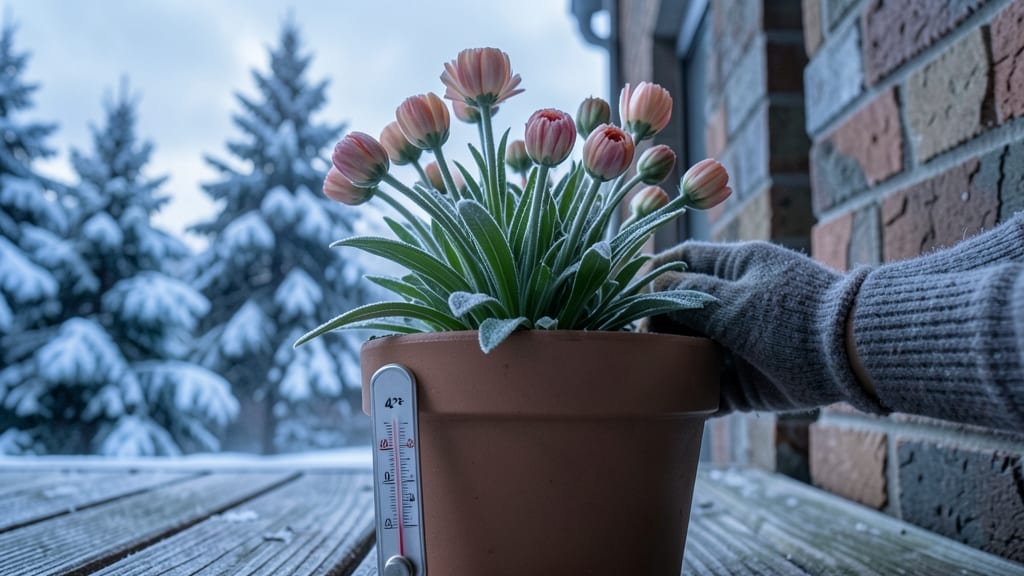
Cold winters leaving your dianthus dormant? A simple temperature shock can wake up those buds like a spring morning. This technique mimics natural seasonal shifts, fooling plants into thinking it's time to bloom—even in mid-winter.
Start by moving potted dianthus to a cooler location (around 40-50°F) for 2-3 weeks, then bring them back to normal room temperature. This temperature fluctuation triggers flower buds to open, especially for varieties like perennial dianthus that need winter dormancy. For garden beds, use frost blankets at night and remove them during the day to create similar effects. Water lightly during this process to avoid stressing the plants.
This method is perfect for gardeners in colder climates who want to extend their blooming season. With just a little patience, you can enjoy vibrant dianthus flowers months earlier than expected! ✨
Container Gardening for Extended Dianthus Blooms

Urban gardeners with limited space can still enjoy extended dianthus blooms by mastering container-specific techniques. The key lies in soil selection—opt for a well-draining mix with added perlite or sand to mimic their Mediterranean native conditions, while incorporating a slow-release fertilizer to sustain blooms.
Watering schedules are equally critical: allow the top inch of soil to dry between waterings, but avoid letting pots sit in saucers of standing water. Place containers in morning sun to prevent afternoon wilting, and choose terracotta pots to wick away excess moisture. Deadheading spent blooms weekly will encourage new flowers to form, extending your display by up to 6 weeks.
This approach works best for urban balconies and patios where space is tight but color is essential. With the right container setup, you'll enjoy vibrant dianthus blooms that rival in-ground gardens—without the maintenance. 🌻