
Blooming
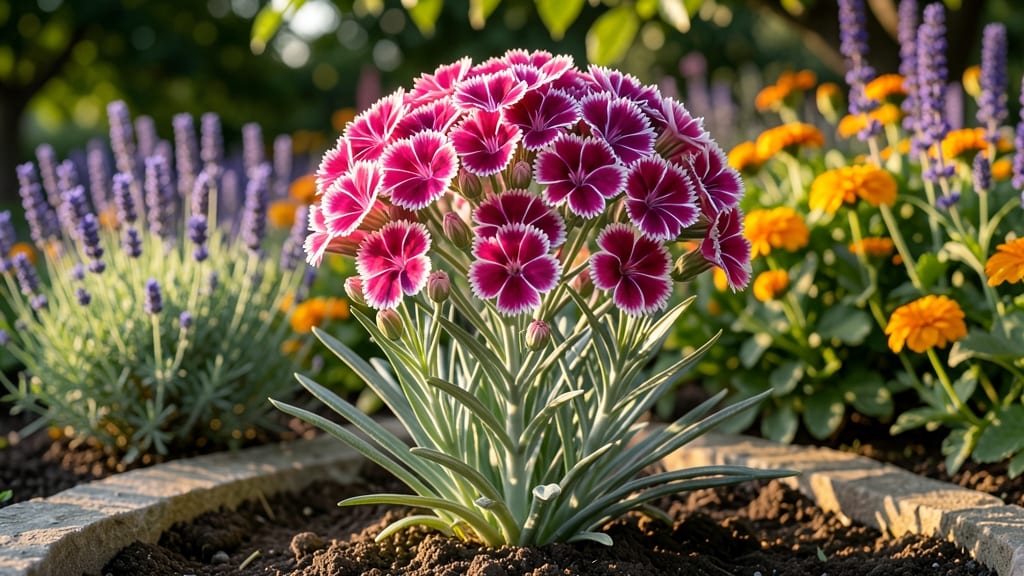
Dianthus flowers do not bloom all summer naturally, but heat-resistant varieties like 'Firewitch' or 'Hot Papaya' can keep flowering with consistent care. Proper deadheading and afternoon shade in hot zones help maintain vibrant blooms longer.
Most dianthus varieties naturally slow down or stop blooming in peak summer heat, as their ideal growing conditions are cooler spring and fall temperatures. 🌸 However, certain heat-tolerant cultivars—like the 'Firewitch' series—have been bred to handle warmer climates better, often rewarding gardeners with extended color.
The key to encouraging summer blooms lies in mimicking their natural environment: providing afternoon shade during heatwaves and maintaining consistent moisture without overwatering. This approach can transform a typically short-lived summer display into a prolonged seasonal show.
What sets these summer-blooming varieties apart is their ability to handle higher temperatures while still producing vibrant flowers. For instance, 'Hot Papaya' dianthus maintains its fiery orange blooms even when other varieties wilt under intense sun. The secret to their success isn't just heat tolerance—it's also about proper garden maintenance.
Regular deadheading (removing spent blooms) redirects the plant's energy toward producing new flowers rather than seed development, which is especially crucial during hot months when growth naturally slows.
💡 In This Article
- Heat-Tolerant Dianthus Varieties for Longer Blooms
- Deadheading and Care Tips to Extend Dianthus Blooms
Heat-tolerant dianthus varieties for longer blooms
Dianthus varieties exhibit remarkable differences in heat tolerance, with some specifically bred to thrive when temperatures rise above 85°F. The 'Firewitch' series, for example, combines the hardiness of Dianthus barbatus with heat-resistant traits, producing vibrant magenta blooms that continue to open through late summer.
These varieties have thicker, waxy leaves that reduce water loss—a critical adaptation for surviving intense sunlight and dry air. 🔥 In contrast, traditional sweet williams (Dianthus barbatus) typically bloom best in spring and early summer, often going dormant by mid-July unless given special care.
Another standout is 'Hot Papaya', a hybrid that maintains its striking orange-red flowers even during heatwaves. This variety's secret lies in its genetic makeup, which includes traits from Dianthus chinensis—a species naturally adapted to warmer climates.
What's fascinating is how these heat-tolerant dianthus maintain their color intensity: their petals contain higher concentrations of anthocyanins, the same pigments that give red wine its depth. These pigments act as natural sunscreens, protecting the flowers from UV damage while keeping their vibrant hues.
Perennial varieties like 'Firewitch' can rebloom in fall with proper care, while annuals like 'Hot Papaya' provide a concentrated burst of summer color.
The key difference between perennial and annual dianthus becomes clear when comparing their growth habits. Perennials like 'Firewitch' develop deeper root systems that store moisture and nutrients, allowing them to recover from summer stress.
Annuals, on the other hand, focus all their energy on rapid flowering during their single growing season. This is why annual varieties often produce more blooms in summer but require more frequent deadheading to maintain their display.
The trade-off is that perennials may need 2-3 weeks of cooler temperatures to trigger their fall reblooming cycle.
Climate plays a surprising role in determining which varieties will perform best in your garden. In Zone 7 and warmer, 'Firewitch' and 'Hot Papaya' consistently outperform traditional varieties, while in cooler Zones 4-5, the classic 'Matrona' series often thrives through summer with minimal care.
The critical factor is afternoon shade—even heat-tolerant varieties will produce more abundant blooms when protected from 3-4 hours of direct afternoon sun during peak summer months. This simple adjustment can extend flowering by 4-6 weeks in optimal conditions.
What most gardeners don't realize is how soil temperature affects blooming patterns. Dianthus roots prefer soil temperatures between 60-75°F—any hotter and the plant conserves energy by reducing flower production. Mulching with 2-3 inches of organic matter helps maintain these ideal temperatures while preventing moisture loss.
The result? Healthier roots that support more abundant blooms throughout the summer season. This scientific approach transforms what would normally be a short-lived summer display into a prolonged seasonal showcase.
Consider these key factors when selecting varieties for summer blooms:
- Leaf thickness: Waxy leaves indicate better heat tolerance (look for varieties with 0.1-0.2 inch thick leaves)
- Color intensity: Brighter petals often correlate with higher anthocyanin content and better UV protection
- Growth habit: Bushier varieties (like 'Firewitch') handle heat better than tall, leggy types
- Bloom duration: Annuals provide 8-10 weeks of color; perennials can rebloom in fall with proper care