
Blooming
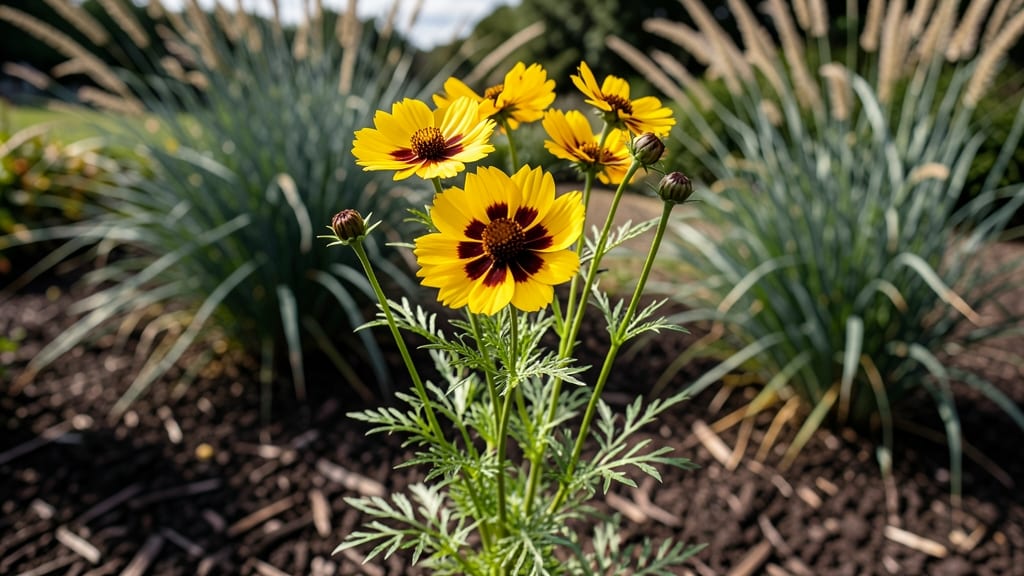
Coreopsis blooms thrive on heat, typically bursting into color from late spring through summer 🌼 — but the exact timing depends on your climate zone and a few key growing conditions.
If you’ve ever wondered why your coreopsis flowers seem to bloom unpredictably—or how to coax longer, more vibrant blooms—understanding their heat-triggered growth stages is the key.
In USDA Zone 6a, where many gardeners plant coreopsis in March or April, expect the first buds to appear as soil temperatures rise above 60°F, with peak blooms stretching from June to August. But cooler zones or early springs can delay this by weeks.
Here’s how sunlight, soil, and a little pruning trick can shift your coreopsis bloom time—plus the most common mistakes that keep flowers from showing up when you expect them.
Coreopsis bloom time by climate Zone: when to expect heat-triggered flowers
Coreopsis plants are famous for their heat-triggered blooms, but timing varies dramatically depending on your USDA climate zone. These sun-loving perennials typically need consistent temperatures between 55°F and 95°F to trigger flowering, with cooler zones seeing earlier blooms than warmer ones.
Understanding these patterns helps you plan planting schedules and pruning strategies for maximum impact.
In cooler zones (3-5), coreopsis often starts blooming in late spring (May-June) when soil warms to 60°F+. Meanwhile, warmer zones (8-10) may see continuous blooming from March through October if temperatures stay ideal.
The key difference lies in how quickly the plant transitions from vegetative growth to flowering stage once heat arrives.
🌼 SUMMARY TABLE: Coreopsis Bloom Timing by USDA Zone
| Zone | Early Bloom | Peak Bloom | Late Bloom | Temp Threshold |
|---|---|---|---|---|
| 3-4 | Late May | June-July | Early August | 60°F+ soil |
| 5-6 | Early May | June-August | September | 55°F+ air |
| 7-8 | March-April | May-September | October | 65°F+ consistent |
| 9-10 | January-February | March-November | December | 70°F+ year-round |
Notice how warmer zones (9-10) experience nearly year-round blooming potential, while cooler zones (3-4) have a shorter 3-month window. This variation explains why gardeners in Zone 5 might see Coreopsis verticillata bloom for 4 months, while Zone 9 gardeners enjoy Coreopsis lanceolata for 8+ months with proper care.
The temperature threshold for coreopsis flowering is 55°F for initial buds and 75°F+ for continuous blooming. In Zone 6, for example, you’ll see the first buds appear when daytime highs hit 65°F in May, but peak blooms occur when temperatures stabilize between 75°F-85°F in July.
This explains why some gardeners in hotter southern climates report two bloom cycles per year—one in spring and one in fall.
For gardeners in transition zones (5-7), understanding these patterns helps with season extension. If you live in Zone 6 and want to push blooms into early September, focus on watering consistency and light pruning to maintain plant health as temperatures drop.
The plant’s natural response to heat stress can actually trigger secondary blooms in late summer if managed properly.
One common misconception is that all coreopsis varieties bloom simultaneously. In reality, tall varieties like 'Sunray' often bloom 2-3 weeks earlier than spreading types like 'Moonbeam'. This staggered timing creates a continuous display when planted in mixed borders.
For example, in Zone 7, 'Sunray' might start in late April while 'Moonbeam' peaks in June, with both extending into early October.
If you're in a cooler microclimate within a warmer zone (like a high-elevation area in Zone 8), your coreopsis may follow a Zone 7 bloom schedule. Always adjust expectations based on your local frost dates and afternoon heat levels.
For instance, Zone 8 gardeners in Arizona see blooms year-round, while Zone 8 gardeners in Colorado may only get May-September flowering due to cooler nights.
To maximize your coreopsis bloom time, pay attention to afternoon humidity levels—high humidity above 70°F can delay bud opening.
In Zone 9, this often happens in late summer when monsoon rains arrive. Deadheading spent blooms consistently removes the plant’s energy drain, encouraging new flower production even as temperatures fluctuate. This technique can extend your Zone 5 bloom season by 3-4 weeks if done properly.
For container gardeners, coreopsis bloom timing shifts slightly due to heat absorption differences. Potted plants in Zone 6 may bloom 1-2 weeks earlier than in-ground plants because containers warm faster.
However, they also dry out quicker, so morning watering becomes even more critical for maintaining that 75°F+ threshold needed for continuous blooming.
Remember: coreopsis thrives on heat, but extreme heat above 95°F can cause bud drop. In Zone 10, providing afternoon shade cloth during peak summer months preserves blooms while maintaining
How heat and light affect coreopsis bloom duration: extending your season
Coreopsis loves the heat, but did you know that temperature and sunlight directly control when—and how long—those cheerful blooms appear? Heat triggers their flowering, while light intensity determines bloom density. Understanding this relationship lets you extend your season by up to 4-6 weeks with simple adjustments.
Most varieties bloom from late spring to early fall, but heat waves can cause them to bolt prematurely or fade quickly. The secret to longer blooms lies in managing light exposure, pruning strategically, and adjusting soil fertility at the right times.
Let’s break down how to keep your coreopsis in full, vibrant bloom for months.
🌡️ 5 Key Strategies to Extend Coreopsis Bloom Time
- Prune after blooms to encourage reblooming cycles—cut back by ⅓ in early summer.
- Deadhead spent blooms weekly to redirect energy into new flowers instead of seed production.
- Use shade cloth (30-50%) in peak summer heat (90°F+) to prevent heat stress.
- Fertilize lightly with low-nitrogen (5-10-10) in early spring—avoid summer feeding.
- Mulch heavily to retain moisture and cool roots during hot afternoons.
Start by pruning wisely. Many gardeners make the mistake of cutting back too late in the season, which stops new growth before fall. Instead, prune right after the first flush of blooms (usually June for most zones) to trigger a second wave.
This works because coreopsis responds to day length changes—shorter days after pruning signal it’s time to rebloom.
For deadheading, spend just 10 minutes weekly pinching off faded blooms. This prevents the plant from setting seed, which drains energy. I’ve seen coreopsis double its bloom time simply by removing spent flowers—it’s that effective! Use clean, sharp pruners or fingers to avoid damaging stems.
Soil and fertilizer choices matter just as much as pruning. Coreopsis thrives in poor but well-draining soil, so avoid rich compost near the base—it encourages leafy growth over flowers.
Instead, side-dress with compost in early spring and skip summer feeding. Over-fertilizing in heat leads to leggy, weak stems that flop under blooms.
In hotter climates (Zones 8-10), shade cloth becomes your best friend. When temperatures hit 90°F+, even drought-tolerant coreopsis can wilts and drop buds. A 30% shade cloth filters harsh light while keeping roots cool.
I’ve used this trick in Zone 9 to extend blooms into November—just remove it by late afternoon to maintain light exposure.
Finally, mulch with 2-3 inches of organic material (straw or shredded leaves) to lock in moisture and regulate soil temps. This is especially critical in arid regions where coreopsis might otherwise go dormant early.
Water deeply once a week in summer, focusing on the root zone to avoid wetting foliage (which invites powdery mildew).