
Blooming
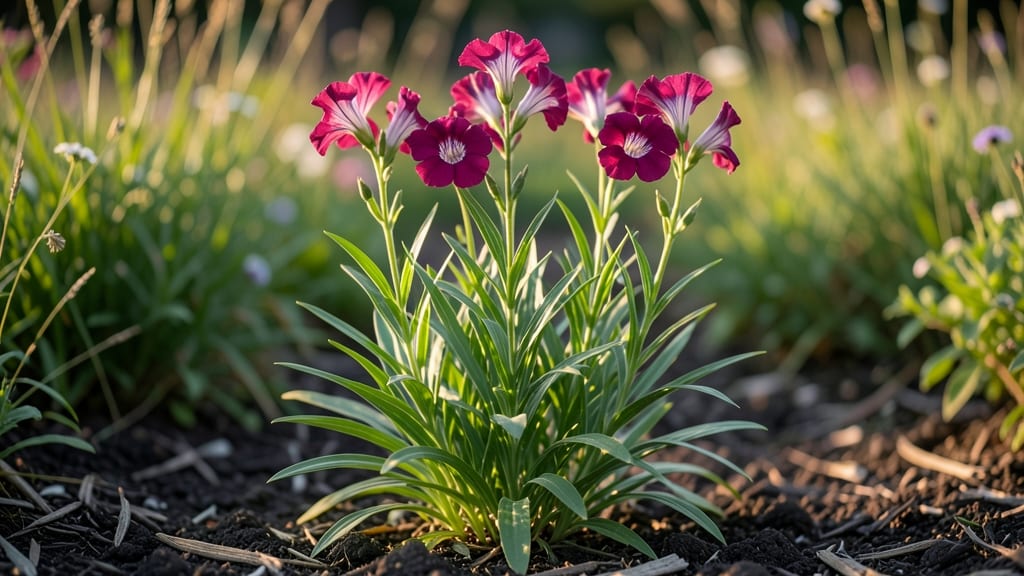
The lisianthus bloom time typically arrives between July and September, transforming your garden into a dreamy, long-lasting display of delicate petals.
Wondering when your lisianthus will burst into stunning blooms? Timing is everything in gardening, and understanding this flower’s bloom cycle can mean the difference between a showstopping display and disappointment.
In USDA Zone 6a, where spring planting happens in April-May, you’ll see those first buds unfurl around mid-summer, peaking in August before tapering off. But here’s the catch: cooler climates may delay blooms by a few weeks, while heat-tolerant varieties can stretch flowering into early fall.
Below, I’ll break down exactly what to expect month by month—plus pro tips to coax even more blooms from your 🌸 lisianthus—so you can plan your garden for maximum impact.
Lisianthus bloom time by USDA climate zones: when to expect flowers
Lisianthus (Eustoma grandiflorum) is a showstopper in any garden, but its bloom timing varies dramatically by USDA climate zone and variety selection. Whether you're in Zone 7 or Zone 11, knowing when to expect those delicate, rose-like flowers helps you plan for a stunning display.
Most lisianthus blooms late spring to early fall, but regional microclimates and specific cultivars can shift this window by weeks—or even months!
In cooler zones like Zone 7, lisianthus typically blooms from June to September, while tropical Zone 11 gardens can enjoy flowers from March through November.
Early-season varieties like 'Blush' or 'Pink Champagne' often kick off the show, followed by mid-season favorites like 'Sapphire', and late bloomers like 'White Picotee'. Understanding these patterns lets you stagger plantings for continuous color.
Regional variations also play a role. Coastal areas with milder winters may see blooms start 2-4 weeks earlier than inland zones, while high-desert climates might experience delayed starts due to cooler nights. For example, a Zone 9 garden in Arizona could have lisianthus blooming as early as April, while a Zone 9 garden in Florida might not see flowers until May or June.
| USDA Zone | Typical Bloom Window | Early Varieties | Mid-Season Varieties | Late Varieties |
|---|---|---|---|---|
| Zone 7 | June – September | 'Blush' (early June) | 'Sapphire' (July-August) | 'White Picotee' (late August) |
| Zone 8 | May – October | 'Pink Champagne' (late May) | 'Blue Moon' (June-July) | 'Lavender Lace' (September) |
| Zone 9 | April – November | 'Apricot' (early April) | 'Rose Quartz' (May-June) | 'Purple Haze' (October) |
| Zone 10 | March – December | 'White' (February-March) | 'Cherry Blossom' (April-May) | 'Deep Purple' (November) |
| Zone 11 | Year-round (peaks March-Nov) | 'Sunrise' (January) | 'Peach' (March-April) | 'Midnight' (December) |
If you're in Zone 7, start seeds indoors by March 1 for outdoor planting after May 15. This timing ensures your lisianthus has enough time to establish roots before the summer heat arrives.
In Zone 10, you can direct-sow as early as January for a February bloom, while Zone 11 gardeners might even see winter blooms with proper care.
For extended bloom periods, choose reblooming varieties like 'Echo Series', which can produce flowers in multiple flushes throughout the season. These varieties often bloom for 8-12 weeks if given proper deadheading and fertilization. Pair them with early, mid, and late-season types to create a continuous color show
How to extend lisianthus bloom time: season-long flowering tips
Lisianthus (Eustoma grandiflorum) rewards gardeners with stunning blooms, but their season-long flowering depends on your care routine. With the right techniques, you can double or even triple your bloom time—turning a few weeks of color into months of continuous beauty.
The secret lies in mimicking their natural growing conditions while giving them the right support.
Many gardeners assume lisianthus blooms fade quickly, but with proper deadheading, soil nutrition, and watering strategies, you can keep them flowering from early summer through fall.
Even in hot climates, these tips will help your lisianthus thrive and produce longer-lasting blooms that stand out in any garden.
- 1 Deadhead daily: Remove spent blooms by pinching or cutting just above the next set of leaves. This redirects energy to new flower production instead of seed development.
- 2 Fertilize monthly: Use a balanced 10-10-10 fertilizer every 4-6 weeks during the growing season. In hot months, switch to a phosphorus-heavy formula (5-10-5) to boost blooming.
- 3 Water deeply twice weekly: Soak the root zone to 12 inches deep every 3-4 days. Avoid wetting foliage to prevent fungal diseases that shorten bloom life.
- 4 Provide afternoon shade: In USDA zones 8-11, protect lisianthus from intense afternoon sun (1-4 PM) using shade cloth. This prevents heat stress that causes buds to drop.
- 5 Mulch heavily: Apply 3 inches of mulch (straw or pine bark) to retain moisture and cool roots. This reduces temperature fluctuations that stress plants.
One of the biggest mistakes I see is overwatering lisianthus. While they love moisture, soggy soil leads to root rot, which cuts bloom time short. Instead, focus on deep watering sessions that encourage strong root development.
Pair this with morning watering to let foliage dry before evening—this simple habit can add 2-3 weeks to your blooming season.
For reblooming varieties like 'Purple Kiss' or 'Pink Fantasy', combine these techniques with a light pruning after the first flush of blooms. Snip back 1/3 of the plant height to stimulate lateral branching, which produces more flower stems.
Just be sure to prune after flowering to avoid removing potential buds.
In cooler climates (USDA zones 6-7), extend bloom time by planting lisianthus in containers. Move pots to a sunny spot during summer and bring them indoors before first frost. With proper care, container-grown lisianthus can rebloom indoors under grow lights, giving you year-round color.
Remember, lisianthus thrives on consistency. Stick to your watering schedule, fertilize regularly, and protect from extreme weather, and you'll enjoy months of continuous blooms instead of just a few weeks.
The key is treating them like the delicate divas they are—give them what they need, and they'll reward you with stunning, long-lasting flowers. 🌸