
Blooming
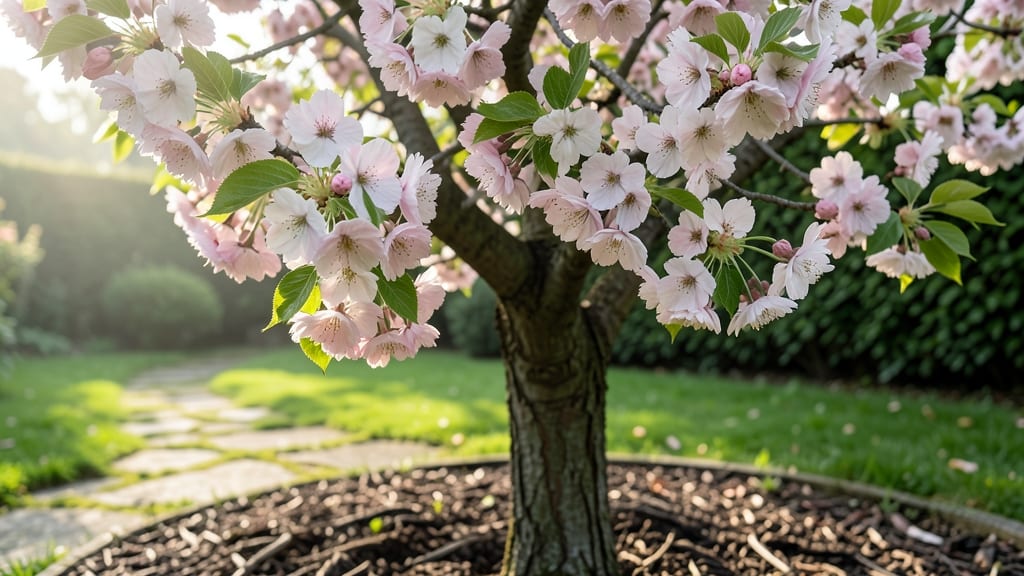
Timing your cherry tree’s bloom can turn a random spring day into a showstopping moment 🌸 — and knowing the exact window for your USDA zone means you’ll never miss it.
Picture this: a burst of pink or white blossoms against a crisp morning sky, just as the last frost fades. But here’s the catch — whether your tree blooms in late April or early June depends on where you live, the variety you’ve chosen, and even last winter’s chill hours.
Get it wrong, and you might end up with flowers that fade before you’ve had your close-up.
In this guide, I’ll break down the precise bloom months for sweet, tart, and ornamental cherry trees across USDA Zones 3-9, plus the hidden factors that can shift your tree’s schedule by weeks.
You’ll also learn how to nudge your tree into blooming just when you want — whether that’s for early spring photos or a perfect harvest window.
No more guessing games. By the end, you’ll know exactly when to set your calendar, how to adjust for your microclimate, and which varieties play nice in your neck of the woods.
Cherry tree bloom time by USDA Zone: exact months to expect flowers
If you’ve ever dreamed of waking up to a sea of pink and white cherry blossoms, timing is everything. Cherry trees bloom at different times depending on your USDA zone, variety, and even local microclimates.
Whether you’re growing sweet cherries for fruit or ornamental cherries for their stunning flowers, knowing when to expect blooms helps you plan everything from pruning schedules to wedding photography or simply enjoying the show.
In colder zones like USDA Zone 3, cherry trees often wait until late spring to bloom, while warmer zones like Zone 9 may see flowers as early as February.
The key factors influencing bloom time include chill hours (a requirement for many varieties), winter temperatures, and early spring warmth. Let’s break down the exact months to expect blooms across the most common USDA zones, so you can mark your calendar and never miss the spectacle again.
🌸 Pro Tip: Ornamental cherry trees like Prunus serrulata (Japanese cherry) often bloom earlier than fruit-bearing varieties. If you’re growing both, you might enjoy a two-week window of cherry blossoms instead of just a few days!
In USDA Zones 3-4, where winters are harsh, cherry trees often wait until late May or early June to bloom.
This timing helps avoid late spring frosts, which can devastate delicate blossoms. Sweet cherries like 'Montmorency' typically bloom in this window, while tart cherries like 'Balaton' may appear as early as early May.
If you’re in these zones, keep an eye on your local frost dates—a late frost can ruin blooms and reduce fruit production.
Moving into Zones 5-7, the bloom window shifts earlier, with many ornamental varieties like 'Kwanzan' and 'Autumnalis' bursting into color by mid-April. These zones also support sweet cherries like 'Lapins,' which bloom in early May.
The key advantage here? You get to enjoy cherry blossoms 1-2 weeks earlier than gardeners in colder zones. Just be mindful of late frosts, which can still pose a threat in early spring.
For gardeners in Zones 8-9, cherry trees often bloom as early as January or February, making them one of the first signs of spring. Varieties like 'Black Republic' and 'Sunburst' thrive in these warmer climates, though they may struggle in areas with heat spikes during bloom time.
If you’re growing tropical cherries like 'Florida Bright,' you might even see blooms year-round, though fruit production will peak in cooler months.
Regional variations can also play a role. For example, a cherry tree in Zone 6 near a large body of water might bloom 1
How to predict your cherry tree’s bloom time before planting
Predicting when your cherry tree will bloom isn’t just about guessing—it’s a science based on variety, climate, and even your garden’s microclimate. By understanding these factors, you can plant with confidence and time your garden visits to catch those pink blossoms at their peak.
Whether you’re growing sweet cherries, tart cherries, or ornamental varieties, small adjustments can shift bloom windows by weeks.
Start by selecting a cherry tree variety suited to your USDA zone. Early bloomers like Stella® tart cherries often flower in late April, while late bloomers such as Bing sweet cherries may wait until early May.
Your local climate plays a huge role—warmer zones (like Zone 8) can expect blooms 2-3 weeks earlier than colder zones (like Zone 5). Even within the same zone, microclimates—like a sunny hillside versus a shaded valley—can shift bloom times by up to 10 days.
- 1. Variety: Early bloomers (Stella®) vs. late bloomers (Bing). Check your tree’s label for bloom window specifics.
- 2. USDA Zone: Warmer zones (8+) bloom 2-3 weeks earlier than colder zones (5-6). Use zone maps to estimate.
- 3. Sunlight: Full sun (6+ hours) advances blooms by 1-2 weeks compared to partial shade.
- 4. Soil Temp: Warmer soil (50°F+) triggers blooms faster. Test soil depth in spring for accuracy.
- 5. Microclimate: South-facing slopes bloom earlier than north-facing areas. Observe nearby trees for clues.
Adjust your planting timing to fine-tune bloom dates. For example, planting a late-blooming variety in a south-facing spot can push blooms forward by up to 2 weeks. Conversely, if you’re in a cooler microclimate, choose an early-blooming cultivar like Montmorency tart cherries to align with your desired viewing window.
Pro tip: Plant bare-root trees in early spring (before buds swell) to give roots time to establish before the first frost—this ensures stronger blooms the following year.
Soil conditions also play a surprising role. Cherry trees thrive in well-draining, slightly acidic soil (pH 6.0-6.5). Amend heavy clay with compost to improve drainage, which can accelerate bloom timing by 5-7 days.
Avoid over-fertilizing with nitrogen—too much promotes leafy growth at the expense of flower buds. Instead, use a balanced 10-10-10 fertilizer in early spring to encourage blooms without excessive foliage.
Don’t overlook pruning strategies to control bloom time. Prune in late winter (just before buds swell) to remove water sprouts and open the canopy for better sunlight penetration. This can advance blooms by 1 week by reducing competition for resources.
Avoid heavy pruning in fall, as it stresses the tree and may delay next year’s blooms. Always use sterilized tools to prevent disease, which can further disrupt flowering cycles.
Finally, track bloom times in your garden by marking the first day you see pink buds on a nearby tree. Over time, you’ll notice patterns—like how rainy springs can delay blooms by 3-5 days due to cooler temperatures.
Use this data to adjust future plantings. For instance, if your Bing cherry typically blooms in late May but you want earlier flowers, consider moving it to a warmer microclimate or choosing a Stella® variety instead.
With these tips, you’ll transform guesswork into a precise bloom-time forecast, ensuring your cherry tree puts on its best show when you’re ready to enjoy it. Happy planting—and may your spring be filled with sea-of-pink magic! 🌸