
How To
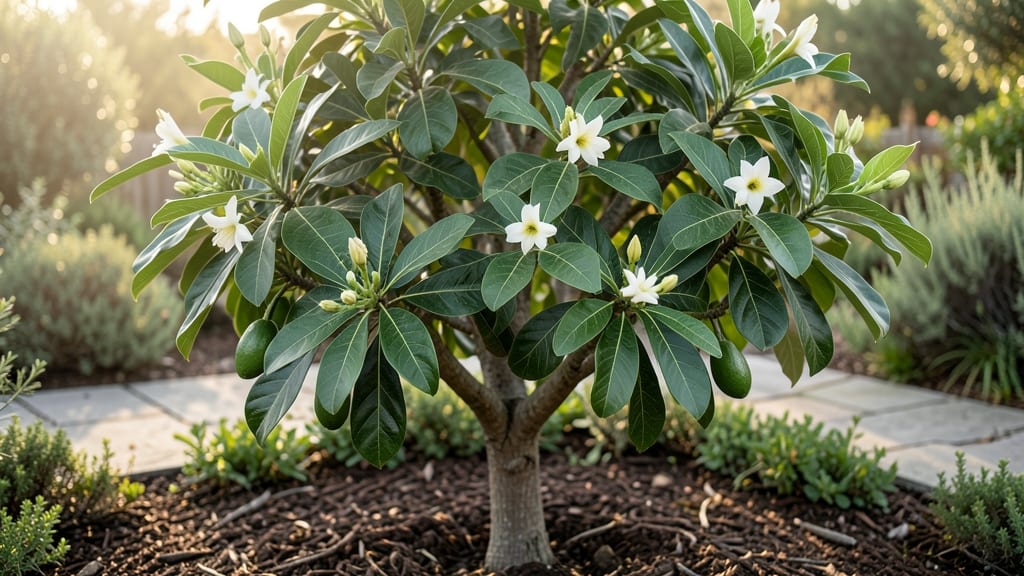
Avocado trees bloom to fruit through a precise sequence where flowering (Type A or B) must be cross-pollinated between compatible varieties, followed by fruit set, cell growth, and maturation over 6–12 months. Varieties like Hass or Fuerte follow unique bloom cycles triggered by specific temperature shifts.
Understanding this process starts with recognizing that avocado trees don't fruit from self-pollination. 🌱 Type A and B flowers open on different days, so planting at least two varieties ensures successful pollination.
The transition from bloom to fruit involves critical stages: fruit set (where the flower transforms into a small avocado), rapid cell division (doubling size in weeks), and pit hardening (a sign the fruit is committed to maturation).
Temperature plays a starring role—Hass trees, for example, need cooler winter nights to trigger spring blooms, while Fuerte varieties thrive in warmer climates. Without proper cross-pollination or ideal conditions, trees often drop young fruit, a common frustration for growers.
What many gardeners overlook is how environmental stress during these stages can derail development.
Drought or excessive heat after pollination causes premature fruit drop, while consistent moisture and balanced nutrients support steady growth. 🔥 The 6–12 month timeline varies by variety and climate—Hass avocados in California mature faster than tropical varieties in Florida.
Tracking bloom dates and understanding your specific variety's needs can mean the difference between a bountiful harvest and disappointment.
💡 In This Article
- Avocado Flowering Types and Pollination Requirements
- Step-by-Step Avocado Fruit Development Stages
Avocado flowering types and pollination requirements
The avocado tree's flowering system is a fascinating biological puzzle. Type A and Type B trees are the two primary classifications, each with distinct bloom cycles. Type A trees flower in late spring to early summer, while Type B trees bloom in late summer to early fall.
This staggered timing ensures that when one variety's flowers are receptive, another variety's pollen is available. The key to successful pollination lies in this synchronization—without it, flowers fail to set fruit.
Temperature acts as the primary regulator of this cycle. Type A trees typically require cooler winter temperatures (60°F) to break dormancy and trigger spring blooms, while Type B trees need warmer conditions (70-75°F) to initiate their summer flowering.
For example, Hass avocados (Type A) thrive in California's Mediterranean climate, where winter chilling periods naturally regulate their bloom cycle. Meanwhile, Fuerte avocados (Type B) flourish in warmer regions like Florida, where consistent temperatures maintain their flowering schedule. 🌡️
Cross-pollination is non-negotiable for fruit formation. Each flower contains both male and female reproductive parts, but the stigma (female) and pollen (male) mature at different times. Type A trees release pollen in the morning, while their stigmas become receptive in the afternoon.
Type B trees reverse this pattern, releasing pollen in the afternoon when Type A stigmas are receptive. This temporal separation is why planting at least two compatible varieties—like Hass (Type A) and Fuerte (Type B)—is essential for successful pollination and fruit set.
Pollen viability is another critical factor. Avocado pollen remains viable for only about 24 hours after release, meaning bees or wind must transfer it to receptive stigmas within that window. Humidity also plays a role—high humidity can reduce pollen germination rates, while dry conditions enhance it.
In commercial orchards, growers often introduce additional pollinators like bumblebees to improve cross-pollination rates, especially in regions with low natural bee activity.
What most gardeners don't realize is that environmental stress during flowering can drastically reduce fruit set. Extreme heat (>strong>90°F) or cold (50°F) can cause flower abortion, while inconsistent watering leads to poor pollen development.
Even slight nutrient imbalances—like a deficiency in zinc or boron—can weaken flower structures, making them less attractive to pollinators. For instance, a study in California found that trees with optimal boron levels had a 30% higher fruit set rate compared to deficient trees.
Here’s a quick reference for common avocado varieties and their flowering types:
- Type A: Hass, Reed, Zutano (bloom late spring/early summer)
- Type B: Fuerte, Bacon, Pinkerton (bloom late summer/early fall)
Understanding these nuances can help you strategically plan your orchard layout or backyard garden. Pairing Type A and B varieties within 50-100 feet of each other maximizes pollination efficiency, while avoiding self-pollinating varieties entirely. 🌿