
Blooming
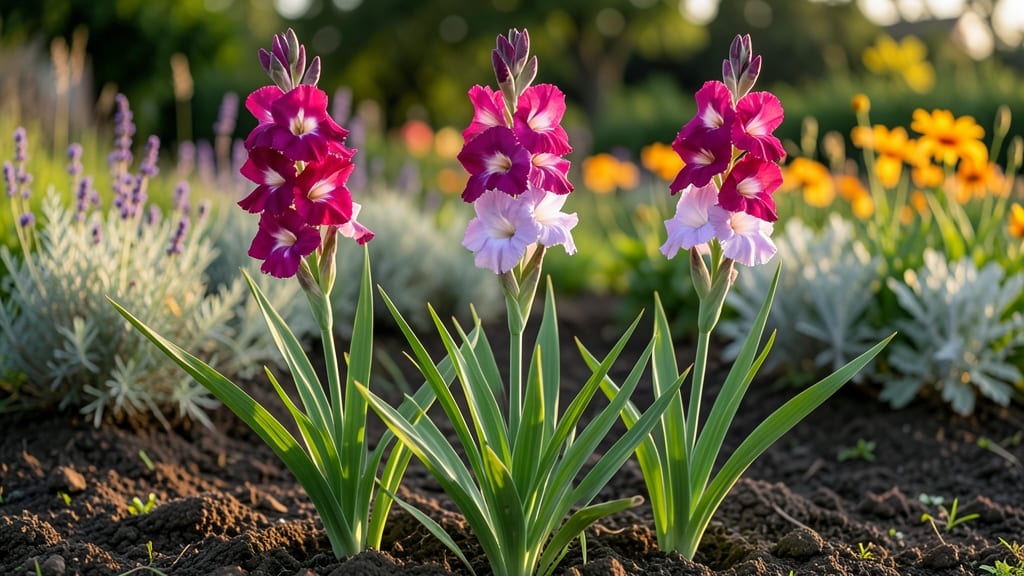
Gladiolus don't bloom all summer naturally—they usually produce just one main flowering cycle per year, though heat-resistant types like 'City Slicker' or 'Star Gazer' can sometimes rebloom with proper summer care, including regular deadheading and steady watering.
Most gardeners expect gladiolus to bloom once and then fade, but the secret lies in their heat sensitivity.
These plants store energy in their corms, and prolonged summer heat depletes those reserves faster than they can replenish. 🔥 The few varieties that can rebloom do so because they've evolved to handle warmer climates better, but even they need consistent moisture and deadheading to encourage new flower stems.
Think of it like a marathon runner—without proper recovery, they'll burn out after one big push.
What makes this tricky is that reblooming isn't guaranteed even with perfect care. The plant's natural cycle often kicks in after the first flush, triggering dormancy. That's why gardeners in hot zones focus on extending the first bloom rather than chasing a second one.
For example, I've seen 'Star Gazer' produce a second round of blooms in Zone 9 when given afternoon shade and weekly deep watering—but it's more about managing stress than forcing nature.
💡 In This Article
- Why Most Gladiolus Stop Blooming After Heat Stress
- How to Encourage Gladiolus Reblooming in Hot Climates
Why most gladiolus stop blooming after heat stress
Gladiolus plants rely on their corms—thick, underground storage stems—to fuel their dramatic flower spikes. Each bloom cycle requires significant energy, and when summer temperatures climb above 85°F for extended periods, the plant's metabolic processes slow down.
This heat stress causes the corm to enter a survival mode, diverting resources away from new flower stems and toward maintaining basic functions like photosynthesis in the leaves. 🌡️ The result is often a single, spectacular bloom followed by wilting—even when the plant appears healthy.
Traditional gladiolus varieties, like the classic 'Green Star' or 'Picasso,' are bred primarily for their first flush of blooms in late spring or early summer. These types allocate nearly all their energy to that initial display, leaving little reserve for a second round.
Heat-tolerant varieties such as 'City Slicker' or 'Star Gazer' differ because they've been selectively bred to handle warmer climates better. Their corms store slightly more starch reserves, allowing them to recover faster after heat waves.
However, even these varieties won't rebloom without careful management—think of it like a car with a full tank of gas versus one running on fumes.
The biological trigger for dormancy in gladiolus is tied to daylight hours and temperature fluctuations. As summer progresses, the plant detects shorter nights and rising heat, which signals it's time to conserve energy. This is why even well-cared-for gladiolus often stop producing new flower spikes by mid-summer, regardless of variety.
The plant's internal clock overrides external care efforts, making reblooming a delicate balance between nature's timing and human intervention. 🌱
Another critical factor is the plant's root system. Gladiolus develop fibrous roots that spread out to absorb moisture and nutrients, but in hot, dry conditions, these roots can become stressed.
When soil temperatures exceed 80°F, root activity slows, reducing the plant's ability to take up water and nutrients—even if you're watering regularly. This root stress compounds the heat exhaustion, further depleting the corm's energy stores.
It's like trying to fill a leaky bucket; no matter how much water you add, the plant can't retain enough to support new growth.
Comparing heat-tolerant and traditional varieties reveals a key difference in their physiological responses. Heat-tolerant types like 'Star Gazer' can sometimes produce a second flush of blooms because their corms are more efficient at storing and redistributing energy.
For example, 'Star Gazer' might rebloom in Zone 9 if given afternoon shade and consistent moisture, while a traditional variety like 'White Prosperity' would likely fade after its first bloom.
The difference lies in their genetic makeup—heat-tolerant gladiolus have evolved to handle warmer climates by optimizing their energy storage and stress responses.
Understanding this biological process helps explain why some gardeners report success with reblooming while others don't. The plant's natural cycle is the biggest hurdle, but with the right care—like deadheading spent blooms and maintaining soil moisture—you can sometimes coax a second round of flowers from heat-tolerant varieties.
The key is working with the plant's biology rather than against it. 🌟