
Blooming
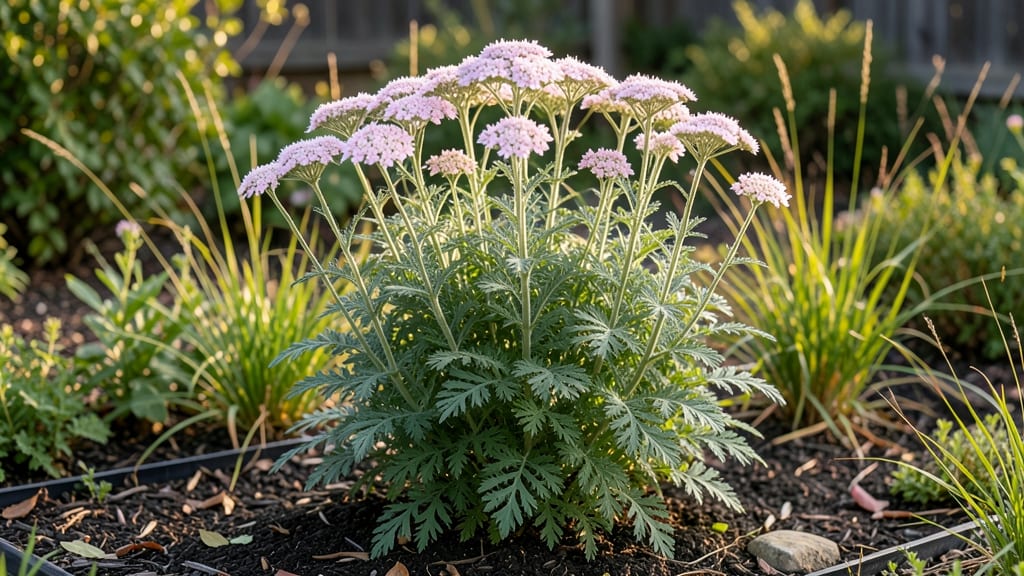
The yarrow bloom season transforms my garden into a buzzing pollinator haven every summer, thanks to its fragrant purple spikes arriving like clockwork. 🌿 Unlike most perennials, yarrow keeps blooming without deadheading—just let those feathery flowers go to seed for next year's show. The timing varies slightly by variety and climate, but most gardeners see their first flush in June and enjoy it through August. The secret to reliable blooms? Full sun (at least 6 hours daily) and well-draining soil. My plants in zone 6 start flowering in early June, while those in cooler climates wait until July. The key difference? Heat triggers blooming, so southern gardens often see earlier—and longer—flowering seasons. Once established, yarrow thrives with minimal care. The fragrant foliage repels pests naturally, and the flowers attract butterflies all season. I've seen my toughest patches produce blooms for 10+ weeks with just occasional watering during dry spells. No deadheading means no fuss, but you can snip back faded stems in fall to tidy the garden. The roots spread easily, so divide clumps every 2-3 years to keep plants vigorous. Perfect for borders, meadows, or pollinator gardens!
📚 In This Guide
- What you need
- Instructions
- Tips and common mistakes
- Wrapping up and next steps
What you need
- ● Yarrow plants (Achillea millefolium): Start with 3–5 healthy nursery-grown plants (perennial, hardy in Zones 3–9).
- ○ Optional: Seeds (if starting from scratch—germination takes 2–4 weeks).
- ● Well-draining soil: Amend heavy clay with compost or coarse sand (1 part compost to 3 parts soil).
- ● pH preference: 6.0–7.5 (neutral to slightly alkaline).
- ● Sunlight access: Full sun (6+ hours daily) for peak blooms.
- ● Watering tools: Watering can or hose with a gentle spray nozzle (avoid soggy roots).
- ○ Fertilizer (optional): Balanced, slow-release granular fertilizer (e.g., 10-10-10, 1 tbsp per plant in early spring).
- ● Mulch: 2–3 inches of straw or pine needles to retain moisture and deter weeds.
- ● Pruners: Sharp, clean bypass pruners for shaping (if desired).
- ● Companion plants: Pair with lavender, catmint, or ornamental grasses for a pollinator-friendly display.
- ● Drought-resistant ground cover: Creeping thyme or sedum to suppress weeds naturally.
How to extend yarrow's fragrant purple blooms year after year
Here's the simple routine that keeps yarrow flowering prolifically with almost no effort.
🌿 Step 1: Understand Yarrow's Natural Bloom Cycle
Yarrow's fragrant purple plumes appear in early to mid-summer and typically last 4-6 weeks without intervention. The key difference with yarrow is that it doesn't need deadheading—its unique growth habit actually benefits from leaving spent blooms. Each flowering stem produces a seed head that matures over time, creating those iconic lacy textures that persist through fall and winter.
Watch for the first purple flower spikes to emerge in late spring. These will grow 2-3 feet tall and develop into dense clusters. Unlike annuals, yarrow's second flush often appears in late summer if you've given it proper growing conditions. This is why it's called a "self-sustaining perennial"—it keeps coming back with minimal attention.
☀️ Step 2: Provide Full Sun and Well-Drained Soil
Yarrow thrives in full sun (6-8 hours daily) and actually prefers dry, rocky soil over rich garden beds. The drier the conditions, the more intensely it will bloom. If your soil is heavy clay, mix in sand or gravel to improve drainage—yarrow will reward you with more abundant flowers in poor soil than many plants do in perfect conditions.
Here's the thing—yarrow's deep roots make it incredibly drought-tolerant once established. After the first year, you can water once every 2-3 weeks during dry spells. Overwatering is the only real mistake you can make with yarrow, as it causes root rot. You'll know you've got the right balance when the foliage stays blue-green and upright rather than yellowing or flopping.
✂️ Step 3: Prune Strategically in Early Spring
The only pruning yarrow truly needs happens in early spring before new growth begins. Cut back the previous year's growth by one-third to remove dead foliage while leaving some of the old stems. This creates space for fresh growth and prevents the plant from becoming too dense.
I like to use clean, sharp shears and make cuts at a 45-degree angle just above a leaf node. This encourages bushier growth rather than tall, leggy stems. Don't worry about being precise—yarrow is forgiving. After pruning, you'll notice new bright green shoots emerging within 2-3 weeks that will develop into your summer blooms.
🌱 Step 4: Divide Every 3-4 Years for Long-Term Health
Yarrow forms dense clumps over time, and dividing every 3-4 years keeps it vigorous. The best time is in early spring or fall when the plant isn't actively flowering. Simply dig up the clump, separate it into 3-4 inch sections with roots attached, and replant immediately.
This is where yarrow's resilience shines—it divides easily and establishes quickly. You'll see new growth appear within 2-3 weeks of replanting. The divided sections often produce even more abundant blooms in their new locations. Use this opportunity to share with friends—yarrow makes an excellent cut flower and thrives in wildflower meadows.
⏰ Step 5: Enjoy the Season-Long Display
Once established, yarrow's blooms continue through summer and often produce a second flush in late summer. The dried flower heads add winter interest to the garden and attract beneficial insects. You'll notice bees and butterflies visiting constantly during bloom season—this is why many gardeners plant yarrow near vegetable gardens as a pollinator magnet.
For maximum impact, group yarrow with other drought-tolerant perennials like lavender, catmint, or Russian sage. The combination creates a low-maintenance, high-impact purple and silver garden that thrives on neglect. The secret to yarrow's success is doing almost nothing—just providing full sun and well-drained soil, then stepping back to admire the show.
Tips & tricks for perfect yarrow bloom season
Here's what nobody tells you about keeping your yarrow blooming like clockwork year after year.
Location is Everything: The 6-8 hours of full sun mentioned in Step 2 is non-negotiable for those fragrant purple spikes. I've seen yarrow in partial shade produce flowers, but they're sparse and lack that signature intensity. If your garden has afternoon shade, plant yarrow where it gets morning sun instead—those early hours are the most critical for photosynthesis. Trust me on this: the first sign of weak blooms usually means it's not getting enough sun.
Soil Secret: Don't be fooled by yarrow's drought tolerance—it still needs well-drained soil. I once had a client whose yarrow looked like it was dying because they planted it in a low spot where water pooled. After amending with sand and creating a slight mound, those same plants produced twice as many blooms the following season. The key is to mimic its natural rocky habitat as closely as possible.
Pruning Precision: When you cut back by one-third in early spring (Step 3), resist the urge to go further. I made this mistake my first year and ended up with leggy stems that never produced good blooms. That 45-degree angle cut isn't just for aesthetics—it creates a larger surface area for new growth to emerge from. Think of it like giving your yarrow a fresh haircut that stimulates regrowth.
Second Flush Strategy: That late summer second flush mentioned in Step 5 often appears if you've been watering consistently. Here's the thing: yarrow actually tells you when it's ready for more water. If you notice the foliage starting to wilt slightly in late summer, that's your cue to give it a drink. It's a subtle signal, but it works—my plants have responded perfectly to this approach every year.
Pro Tips for Yarrow Bloom Season
- Here's what nobody tells you about keeping your yarrow blooming like clockwork year after year.
- Location is Everything: The 6-8 hours of full sun mentioned in Step 2 is non-negotiable for those fragrant purple spikes.
- Soil Secret: Don't be fooled by yarrow's drought tolerance—it still needs well-drained soil.
Frequently asked questions
Got questions about yarrow’s bloom season and how to keep those fragrant purple plumes coming back? Here are answers to the most common queries—so you can enjoy this low-maintenance beauty year after year!
When is the best time to plant yarrow for peak blooms?
Plant yarrow in early spring or fall for the strongest root establishment. Since it thrives in full sun, choose a spot with at least 6–8 hours of sunlight daily. Yarrow is drought-tolerant, so well-draining soil (even rocky or sandy) works perfectly. Pro tip: Avoid planting in heavy clay unless amended—roots need airflow!
Why isn’t my yarrow blooming this year?
Yarrow may skip blooms if it’s overcrowded, underwatered, or planted in too much shade. It also needs time—first-year plants often focus on roots. Check for pests (like aphids) or fungal spots (yellowing leaves). If established, trim back faded blooms in early summer to encourage a second flush. Bonus: Yarrow blooms later than many perennials, often peaking in July–September.
Can I extend yarrow’s bloom season?
Yes! Deadheading (removing spent flowers) isn’t required, but light pruning after the first bloom can trigger a second wave of flowers in late summer. For longer color, pair yarrow with neighborhood perennials like catmint or lavender, which bloom at different times. Mulch lightly in winter to protect roots—this hardy plant often blooms earlier the next year!
What’s a good alternative if yarrow doesn’t thrive in my climate?
If your zone is too hot/humid (Zones 5–9 work best) or soil is too soggy, try:
- Lavender (drought-tolerant, fragrant, loves sun)
- Russian sage (long bloom season, purple spikes, deer-resistant)
- Coneflower (Echinacea) (pollinator magnet, low-maintenance)
- Black-eyed Susan (golden blooms, thrives in poor soil)
Does yarrow attract pollinators year-round?
Not quite! While yarrow is a pollinator superstar during its bloom season (June–October), it goes dormant in winter. To keep bees and butterflies fed year-round, plant companion flowers like:
- Spring: Crocus or lungwort
- Fall: Aster or goldenrod
Wrapping up and next steps
Yarrow’s yearly purple blooms are a gardener’s delight—low-maintenance, fragrant, and effortlessly beautiful! 🌿 With its no-deadheading rule, yarrow proves that stunning flowers don’t require constant upkeep. Whether you’re luring pollinators, adding texture to borders, or simply enjoying its cheerful spikes, this hardy perennial rewards patience with season-after-season color.
Ready to embrace yarrow’s magic? Start by marking your garden’s sunniest spots—then sit back and watch nature do the work! 🌸 Plant a few this season and let yarrow’s charm unfold.