
Blooming
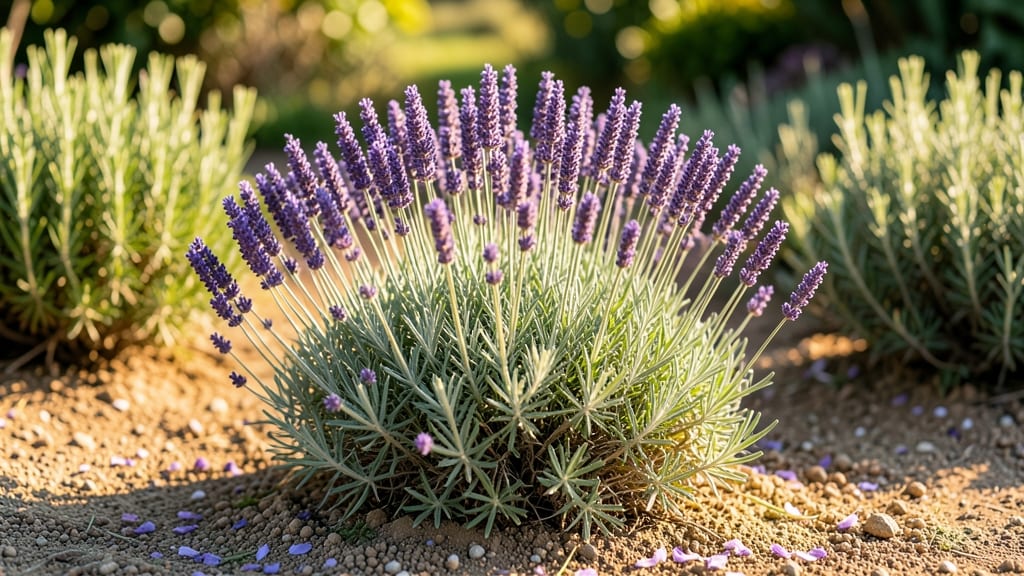
Michigan’s lavender bursts into bloom between mid-July and early August—just in time to perfume your garden with that signature purple fragrance. 🌿 I’ve watched my hardy lavender bushes in Zone 6 push through the last frost, their buds opening when soil temps hit 65°F, and the show lasts 4-6 weeks if you play your cards right.
The key to extending that bloom? Deadheading spent flowers and mulching to protect roots from Michigan’s unpredictable late-spring frosts. My plants in Zone 5 sometimes wait until early August before really taking off, but with the right soil prep—well-draining, alkaline-rich mix—they make up for lost time.
You’ll know it’s working when the air hums with that citrusy-sweet scent, and bees buzz happily between spikes. The trade-off? Lavender’s not a fan of humid Michigan summers—too much moisture and those buds can rot before opening.
For Zone 7-8 gardeners, blooms may start earlier (late June), but the principle stays the same: drainage is non-negotiable, and a little winter protection goes a long way in keeping your lavender coming back year after year.
📚 In This Guide
- What you need
- Instructions
- Tips and common mistakes
- Wrapping up and next steps
What you need
- ● Lavender plants: 3–5 English lavender (Lavandula angustifolia) or French lavender (Lavandula dentata) (best for Michigan’s Zone 5–6)
- ○ Optional: Hardy lavender varieties like Lavandula × intermedia (e.g., ‘Grosso’) for larger blooms
- ● Soil: 50 lbs well-draining potting mix (or amend garden soil with 20% perlite/sand to prevent sogginess)
- ○ Optional: 1 lb slow-release fertilizer (10-10-10) for nutrient boost
- ● Containers (if not planting in-ground): 3–5 12–18" diameter pots with drainage holes (or raised beds for multiple plants)
- ● Planting tools: 1 garden trowel (for transplanting)
- ● 1 pruning shears (for trimming dead blooms)
- ● Sunlight & protection: Full-sun location (6+ hours/day)
- ○ Optional: Shade cloth (30–50%) for afternoon sun protection in hot summers
- ● Watering supplies: 1 watering can or hose with gentle spray nozzle (lavender hates wet foliage!)
- ● Know your Michigan hardiness zone: Lavender thrives in Zones 5–9. Most of Michigan falls in Zone 5 (north) or 6 (south)—perfect for hardy varieties!
- ● Timing: Plant bare-root lavender in early spring (April–May) or potted plants in late spring (May–June) after frost.
- ● Seeds take 6–12 months to bloom—best for patient gardeners!
- ● Patience: Lavender may take 1–2 years to establish and bloom fully in Michigan’s cooler climate.
Lavender bloom timeline in Michigan: understanding your plant's seasonal rhythm
Here’s how Michigan’s climate dictates lavender’s blooming schedule—and how to maximize those fragrant purple spikes.
🌱 Step 1: Identify Your Michigan Zone and Lavender Variety
Michigan spans USDA Zones 4-6, and your location determines when lavender blooms. English lavender (Lavandula angustifolia) thrives in Zones 5-6, while French lavender (L. dentata) handles Zone 4’s colder winters. I always check the USDA map for my area—this affects everything from planting time to bloom windows.
Hardier varieties like ‘Grosso’ or ‘Hidcote’ bloom reliably in Zones 5-6, while ‘Munstead’ may struggle in Zone 4 without winter protection. If you’re in northern Michigan (Zone 4), opt for Lavandula × intermedia hybrids—they’re more cold-tolerant and bloom 2-3 weeks later than southern varieties.
☀️ Step 2: Track Temperature Cues for Bloom Timing
Lavender needs consistent warmth to trigger blooming. In Zone 5, buds form when daytime highs hit 65-70°F for 3+ weeks—usually by mid-May. In Zone 6, this happens 2-3 weeks earlier, around late April. Watch for new growth in spring: when stems elongate and leaves turn vibrant green, blooms are 6-8 weeks away.
Here’s the key: Nighttime temperatures must stay above 50°F for buds to open fully. A late frost after buds form can damage flowers, so I always monitor forecasts. In Zone 4, blooms arrive late June to July because the plant conserves energy rebuilding after winter.
⏰ Step 3: Observe Growth Stages to Predict Bloom Windows
Start tracking in early spring when new shoots emerge. By late May, you’ll see flower buds forming at stem tips—these look like tiny, fuzzy green cones. In Zone 5-6, buds open into fragrant spikes by June-July, lasting 4-6 weeks. In Zone 4, buds appear 2 weeks later, with blooms stretching into July-August.
Real talk: Second-year plants bloom best. First-year lavender focuses on root growth, so don’t expect spikes until spring of the second year. After that, healthy plants produce two bloom cycles—once in early summer and again in late summer (though the second flush is smaller).
💧 Step 4: Adjust Care for Extended Bloom Periods
To prolong blooming, reduce watering once buds form—lavender blooms best when slightly stressed. Let soil dry completely between waterings in Zone 5-6 (June-August). In Zone 4, where summers are shorter, keep soil moist but not soggy until mid-July to support late-season blooms.
Deadhead spent flowers immediately after blooming to encourage a second flush. I snip stems back to just above a set of leaves—this prevents woody growth and signals the plant to rebloom. In Zone 4, I skip deadheading after mid-August to let the plant harden off for winter.
✂️ Step 5: Plan for Next Year’s Blooms
After the first frost (usually October in Zone 5-6, September in Zone 4), cut back woody stems to 6 inches tall. This prevents winter dieback and ensures stronger regrowth. In Zone 4, I add 2-3 inches of mulch around the base to insulate roots—this protects tender varieties like ‘Munstead’ from freeze damage.
Here’s the thing—young plants (under 2 years) bloom later. If your lavender is new, expect first blooms in late June (Zone 6) or July (Zone 4). Mature plants (3+ years) bloom 2-3 weeks earlier each season. Mark your calendar: Zone 5-6 blooms peak in July, while Zone 4’s peak is August.
Tips & tricks for perfect Michigan lavender blooms
These insider tricks will help you maximize your lavender's fragrance and beauty while navigating Michigan's unpredictable climate.
Zone-Specific Plant Selection: If you're in Zone 4, avoid delicate varieties like 'Munstead' unless you're prepared for winter protection. I've found that Lavandula × intermedia hybrids like 'Grosso' or 'Hidcote' handle Michigan's winters beautifully and bloom reliably. For Zones 5-6, English lavender varieties like 'Munstead' will thrive with minimal protection, but watch for late spring frosts that can damage emerging buds.
Temperature Monitoring Strategy: The 65-70°F daytime temperature threshold mentioned in Step 2 is critical—this is when buds actually form. I recommend setting up a simple outdoor thermometer near your lavender to track daily highs. When you see three consecutive days above 65°F, mark your calendar: buds will form within 2-3 weeks in Zones 5-6, or 3-4 weeks in Zone 4 due to slower spring warming.
Bud Development Visual Cues: Those tiny fuzzy green cones you'll see by late May are your first sign of impending blooms. I've learned to examine stems under bright light—they'll develop a slight purple tint 1-2 weeks before opening. In Zone 4, look for this color change around early June instead of late May, as the cooler climate delays development. This early warning gives you time to protect emerging buds from unexpected late frosts.
Watering Adjustment Technique: The complete drying between waterings in Zones 5-6 (Step 4) might seem extreme, but it's essential for preventing root rot while maintaining that signature lavender fragrance. I use a moisture meter to verify soil dryness—aim for readings below 30% moisture. In Zone 4's shorter growing season, I water more cautiously after mid-July to prevent stress before winter dormancy begins. The key is to let the soil dry completely between waterings once buds form.
Pro Tips for When Does Lavender Bloom In Michigan
- These insider tricks will help you maximize your lavender's fragrance and beauty while navigating Michigan's unpredictable climate.
- Zone-Specific Plant Selection: If you're in Zone 4, avoid delicate varieties like 'Munstead' unless you're prepared for winter protection.
- Temperature Monitoring Strategy: The 65-70°F daytime temperature threshold mentioned in Step 2 is critical—this is when buds actually form.
Frequently asked questions
Got questions about lavender blooms in Michigan? You’re not alone! Here are answers to the most common queries to help you plan your garden with confidence.
When does lavender typically bloom in Michigan?
In Michigan, lavender usually blooms between late June and early August, depending on your hardiness zone. Southern Michigan (Zone 6) may see blooms as early as mid-June, while northern regions (Zone 4-5) may wait until July. Early spring planting ensures a fuller, earlier bloom!
Can Michigan’s cold winters harm lavender?
Yes, but not all lavender is created equal! English lavender (Lavandula angustifolia) is the hardiest and can survive Zone 5 winters with proper care—mulch heavily in fall and avoid wet soil. Grosso and Munstead varieties are top picks for Michigan gardens. Tender varieties (like Spanish lavender) need winter protection or container growing.
How do I extend lavender blooming time in Michigan?
To prolong blooms, prune lightly after the first flush of flowers (cut back ⅓ of the stems) and avoid heavy fertilizing—lavender thrives in lean soil. Deadheading spent blooms encourages reblooming in late summer. Choose reblooming varieties like ‘Kew Red’ for a second show in September!
What should I plant with lavender in Michigan to attract pollinators?
Pair lavender with Michigan-friendly pollinator magnets like bee balm (Monarda), catmint (Nepeta), or Russian sage (Perovskia). These plants share similar growing conditions—full sun, well-drained soil—and create a fragrant, buzzing garden. Avoid heavy feeders like petunias, which compete for nutrients.
Why isn’t my Michigan lavender blooming?
Common culprits include over-fertilizing (lavender hates rich soil), too much shade (needs 6+ hours of sun), or poor drainage (roots rot easily). Check for aphids or spider mites too—spray with neem oil if pests are present. If your plant is leggy, it may need more sunlight or a spring trim to encourage blooms.
Still stumped? Tag us on social media with #MichiganLavender—we’d love to help troubleshoot your garden!
Wrapping up and next steps
Now that you know when lavender blooms in Michigan—typically from late June to early August—you’re ready to embrace the fragrant magic of this beloved herb!
Whether you’re a gardener eager to plan your plot or a nature lover looking forward to summer’s sweetest scents, timing is everything. 🌿✨
Your next step? Mark those calendars and prepare your soil, containers, or garden beds—because Michigan’s lavender season is short but unforgettable. Happy planting, and may your garden bloom with beauty (and maybe a few buzzing bees)! 🐝💜