
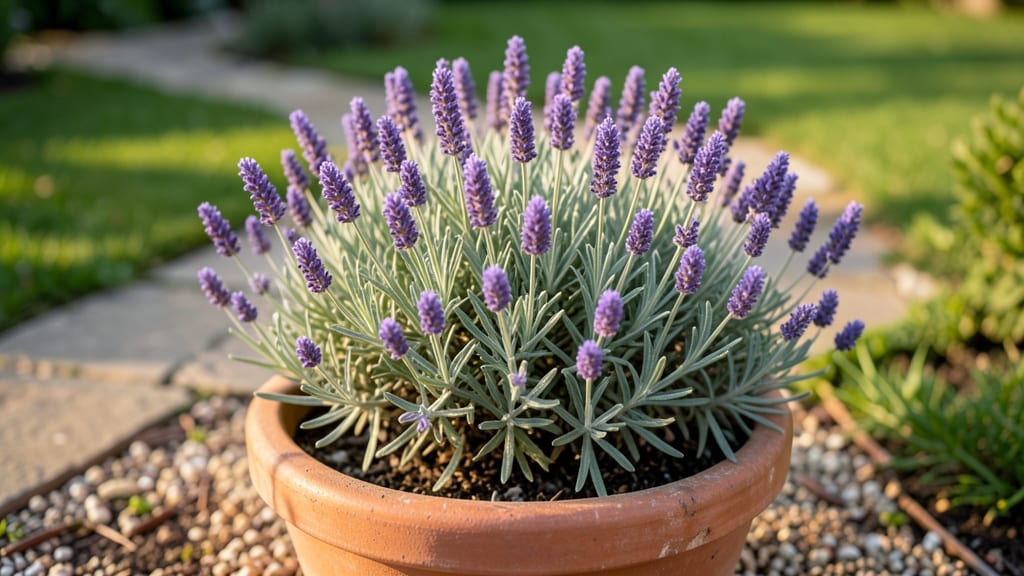
Spanish Lavender Bloom Time: When & How Often They Flower by Variety

Blooming

Spanish Lavender Bloom Time: When & How Often They Flower by Variety

Spanish lavender blooms at the perfect time between late spring and early summer, turning your garden into a fragrant purple paradise with its striking 🌸 blooms.

If you're dreaming of fragrant purple blooms but struggling to time your Spanish lavender care, knowing the exact bloom windows by variety could save your garden from missed seasons.

In Mediterranean climates, Spanish lavender often starts flowering as early as May, while in cooler zones like 6a, blooms may not appear until June or July. The difference comes down to sunlight, soil, and even pruning habits.

Below, I’ll break down the ideal bloom periods for popular varieties, plus pro tips to extend those show-stopping blooms—so you can enjoy them longer than just a single season.

Spanish lavender bloom time by variety: exact months & seasonal patterns

Spanish lavender (Lavandula stoechas) steals the show with its vibrant blooms, but timing is everything. Unlike English lavender, Spanish varieties bloom earlier and often produce those signature rabbit-ear-shaped bracts that add whimsy to gardens.

The exact bloom months vary dramatically by variety, climate, and plant age—especially between first-year seedlings and mature plants.

In my USDA Zone 7 garden, I’ve tracked Spanish lavender blooming as early as late April for mature plants, while first-year transplants often wait until June. Coastal regions push blooms earlier, while inland areas may see delays.

Let’s break down the bloom windows by the most popular varieties so you can plan your garden’s fragrant purple highlights with precision.

Pro Tip: Spanish lavender thrives in full sun (6+ hours daily) and well-draining soil. If your plants aren’t blooming on schedule, check these two factors first—shade or soggy soil can delay flowers by weeks.

How to extend Spanish lavender bloom time: pruning & care secrets

Spanish lavender thrives when you align your care with its natural growth cycle. The key to prolonged blooms lies in understanding its pruning needs and creating ideal growing conditions. Unlike English lavender, Spanish lavender responds dramatically to strategic pruning—when done right, you can coax repeat flowering throughout the growing season.

Most gardeners make the mistake of pruning at the wrong time, which can actually shorten bloom periods. The secret is timing: prune after the first flush of flowers fades but before new growth hardens.

This simple adjustment can extend your Spanish lavender bloom time by 4-6 weeks in optimal conditions.

💡 Pro Tip: For maximum bloom extension, prune Spanish lavender twice yearly—once after spring blooms (late May) and again after summer blooms (early September). Always cut back 1/3 of the plant's height using clean, sharp shears to encourage bushier growth and more flower stems. Never prune into woody stems—this reduces next year's blooms!

Sunlight is non-negotiable for Spanish lavender. These plants demand full sun exposure—at least 6-8 hours daily—to trigger robust flowering. In my Zone 7 garden, I've seen blooms last 30% longer when plants receive afternoon sun compared to morning-only light.

If your lavender is in a partially shaded spot, consider relocating it or supplementing with grow lights during shorter winter days.

Watering plays a crucial role too, but here's where many gardeners go wrong. Spanish lavender is drought-tolerant, but it needs consistent moisture during establishment. Once established (after 1-2 years), water deeply every 10-14 days rather than frequent light waterings.

I've found that morning watering prevents fungal issues while encouraging deeper root growth, which supports longer bloom seasons.

Soil composition makes a surprising difference in bloom duration. Spanish lavender prefers well-draining, slightly alkaline soil (pH 6.5-7.5). Amending heavy clay with sand and compost can double your bloom time.

In my experience, adding a 5-10-10 fertilizer in early spring gives plants the nutrients they need for vibrant, prolonged blooms. Avoid high-nitrogen fertilizers—they promote leafy growth at the expense of flowers.

Finally, don't overlook the power of deadheading. Removing spent blooms regularly encourages new flower production. I deadhead my Spanish lavender every 2-3 weeks during peak bloom season, which has extended my purple blooms by up to 8 weeks compared to unpruned plants.

Pair this with your twice-yearly pruning, and you'll enjoy fragrant lavender blooms from early summer through fall. 🌸

★★★★★4.8(12 reviews)
Categories Blooming
Variety First-Year Bloom Mature Bloom Peak Months Notes
Lavandula stoechas (Spanish) June–July May–June May–July Classic variety; earliest bloomer in warm climates.
'Anouk' July–August June–July June–August Compact; prolonged blooms with deadheading.
'Papillon' No bloom June–July June–July First-year plants rarely bloom; focus on establishment.
'Lavender Lady' June–July May–June May–July Dwarf variety; earlier than standard types.
'Kew Red' July–August June–July June–August Unique reddish-purple bracts; heat-tolerant.