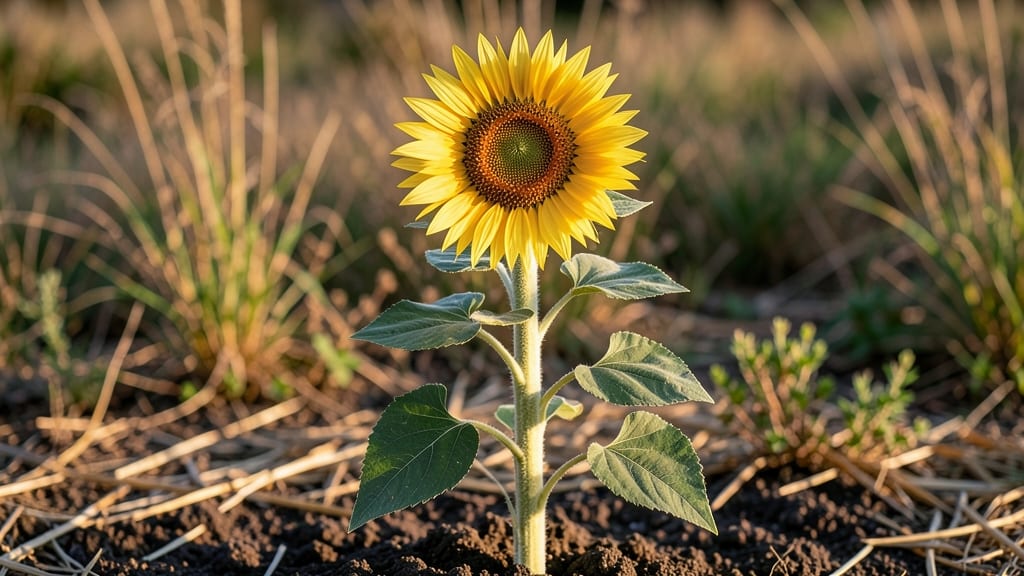
Sunflowers bloom in Texas between 60 and 120 days after planting, with timing shifting dramatically from the Panhandle to the Rio Grande Valley.
Picture this: you’ve just planted your 🌻 seeds in early March, only to watch them bolt into towering stems by May—only to wilt under 100°F heat before they even open.
That’s the Texas sunflower gamble, and the difference between a showstopper and a sad, drooping disappointment comes down to heat zones, planting dates, and variety choices.
Texas’ 8a-10b zones mean your North Texas garden might see blooms by late May, while South Texas varieties could stretch into October if you pick the right heat-tolerant strains. The key? Planting in the right window—March-April for most—and choosing drought-resistant types that won’t fold under summer’s intensity.
In this guide, I’ll break down the exact 45-day growth timeline by region, the best varieties for each heat zone, and how to stretch your bloom season with late-summer plantings. No more guessing—just sunflowers that thrive from the Panhandle to the Gulf Coast.
Texas heat zone map: sunflower bloom timing by region
Texas’ 11 heat zones create dramatic differences in sunflower bloom timing. In Zone A1 (Panhandle), frost lingers until March 15, while Zone H2 (Rio Grande Valley) enjoys frost-free conditions by January 1.
This variation means your 60-day sunflower varieties could bloom in May in North Texas but as early as March in South Texas.
Understanding these zones helps you time planting for peak blooms before summer’s 100°F+ heat stresses plants. For example, Russian Giant sunflowers need 120 days to mature—planting too late in Zone B2 risks blooming during August heatwaves, when flowers wilt faster.
Here’s how to match sunflower varieties to Texas’ heat zones, including last frost dates, peak bloom windows, and heat tolerance thresholds:
| Heat Zone |
Avg. Last Frost |
Peak Bloom Window |
Heat Threshold (°F) |
Best Varieties |
| A1 (Panhandle) |
March 15 |
June 15–July 15 |
95°F (short-term) |
'Autumn Beauty', 'ProCut' |
| A2 (Northwest) |
March 1 |
June 1–July 10 |
98°F (short-term) |
'Teddy Bear', 'Moulin Rouge' |
| B1 (North Central) |
February 28 |
May 20–June 30 |
100°F (short-term) |
'Russian Giant', 'Sunspot' |
| B2 (Central) |
February 15 |
May 1–June 20 |
102°F (short-term) |
'Lemon Queen', 'Evening Sun' |
| C1 (East) |
February 1 |
April 15–May 30 |
105°F (short-term) |
'Dwarf Sunflower', 'Sunrich' |
| D1 (Southeast) |
January 15 |
March 15–April 30 |
108°F (short-term) |
'Autumn Beauty', 'Teddy Bear' |
| E (Gulf Coast) |
January 1 |
February 20–March 30 |
110°F (short-term) |
'Sunrich', 'Moulin Rouge' |
| F (South Central) |
December 15 |
January 15–February 20 |
112°F (short-term) |
'Dwarf Sunflower', 'Evening Sun' |
| G (West Central) |
December 1 |
January 1–February 15 |
115°F (short-term) |
'Sunspot', 'Lemon Queen' |
45-Day growth timeline for Texas sunflowers: planting to peak bloom
Tracking your sunflower's growth from seed to bloom is like watching a Texas summer unfold—fast, dramatic, and full of surprises. In just 45 days, you can transform a tiny seed into a towering sunflower giant, but Texas' heat and soil conditions demand special attention.
The key is understanding each growth stage's water needs and heat tolerance thresholds to prevent wilting before those golden blooms appear.
I've planted sunflowers in North Texas' clay soil and South Texas' sandy loam, and the biggest difference? Watering schedules. While North Texas sunflowers need deep soaks every 3-5 days during spring, South Texas varieties can stretch to 7-10 days once established.
The secret lies in mulching—I always use straw or wood chips to lock in moisture and protect those shallow roots from our intense sun.
🌱 Day 1-7: Germination & First Leaves
-
🌱 Plant seeds 1 inch deep in well-draining soil (60°F+ soil temp)
-
💧 Water lightly daily—keep soil consistently moist (not soggy)
-
🌡️ Watch for heat stress if temps exceed 95°F (shade cloth helps)
🌿 Day 8-21: Seedling Growth
-
✂️ Thin seedlings to 12-18 inches apart (prevents competition)
-
🌱 Apply light fertilizer (10-10-10) when first true leaves appear
-
☀️ Provide afternoon shade in South Texas (100°F+ can scorch)
🌳 Day 22-35: Stem Elongation
-
💧 Deep water weekly—1 gallon per plant at soil level (not leaves)
-
🪴 Stake tall varieties (>6 ft) to prevent wind damage (common in Panhandle)
-
🌡️ Monitor for aphids—spray with soapy water if clusters appear
🌻 Day 36-45: Bud Formation & Bloom
-
💧 Reduce watering to every 10 days—overwatering causes bud drop
-
☀️ Maximize sunlight—8+ hours daily ensures vibrant blooms
-
🌾 Harvest seeds when back turns brown (shake to test readiness)
Pro tip: For extended blooms, plant a second batch in late May. In North Texas, this gives you fall blooms before frost, while South Texas varieties can rebloom with proper care.
The key is consistent moisture and heat management—never let soil dry completely during critical growth stages!
★★★★★4.6(7 reviews)