
Blooming
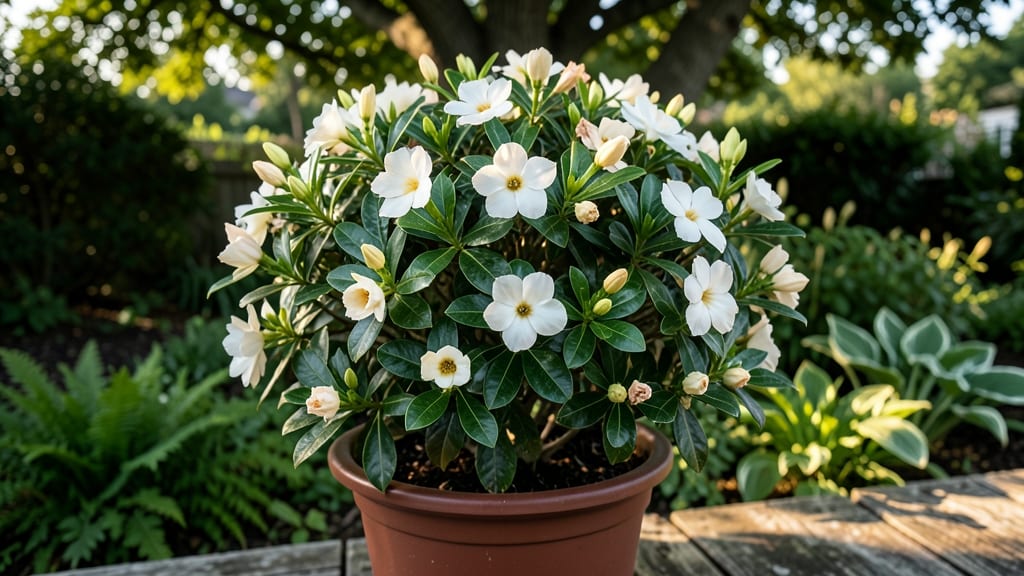
Gardenias in Texas bloom between April and September, but the exact timing depends on your heat zone and variety — and getting it right makes all the difference for those fragrant, creamy-white flowers.
Picture this: you’ve just planted your first gardenia 🌸, only to wait months for a single bloom — if any show up at all. The problem? Texas’ heat zones throw off the usual tropical timing, and without the right care, your gardenia might skip its prime blooming window entirely.
Texas gardenias love humidity and warmth, but they’re also picky about soil acidity and sunlight. In North Texas (Zones 8a–9a), blooms typically start in late April, while Gulf Coast gardeners (Zones 9b–10b) can expect flowers as early as March — or even stretch into October with the right conditions.
Below, I’ll break down the best months for your specific zone, how to adjust care for longer blooms, and the top 3 Texas-friendly varieties that handle our heat without fuss. No more guessing — just reliable, fragrant blooms year after year.
Texas gardenia bloom times by heat zone: month-by-month guide
Texas gardenias are famous for their creamy-white, fragrant blooms, but their timing varies dramatically across the state’s 8 USDA heat zones.
Whether you’re in Zone 6A’s chilly Panhandle or Zone 10A’s steamy Rio Grande Valley, knowing the exact bloom windows helps you plan for peak fragrance and beauty.
These tropical shrubs love warmth and humidity, but Texas’ climate extremes mean some varieties bloom as early as March in North Texas while others stretch into October along the Gulf Coast.
For gardeners in Zones 6A–7B, like those in Amarillo or San Angelo, gardenias typically bloom from late April to early June. In contrast, Zones 8A–10A, covering Houston to Brownsville, enjoy longer bloom seasons—often from February through September.
The key? Consistent warmth and moisture triggers bud formation, while pruning and fertilization can extend your gardenia’s flowering season by weeks.
🌸 Variety matters too! 'Kleim’s Hardy' is a Zone 6A–9A favorite, blooming from May to July, while 'Radicans' thrives in Zones 7B–10A and flowers from April to September. Even within a single heat zone, microclimates—like urban heat islands or coastal breezes—can shift bloom times by 2–4 weeks. Below, I’ve broken down the month-by-month bloom windows for each Texas heat zone, so you can time your planting, pruning, and fragrance-enjoying perfectly.
| Heat Zone | Early Blooms | Peak Blooms | Late Blooms | Top Varieties |
|---|---|---|---|---|
| 6A (Amarillo) | Late April | May–June | Early July | 'Kleim’s Hardy' |
| 7A (Lubbock) | Early April | April–June | Late July | 'Radicans' |
| 7B (San Angelo) | Mid-March | March–May | August | 'Veitchii' |
| 8A (Austin) | February | March–June | September | 'Jasmina' |
| 8B (College Station) | January | February–July | October | 'Fortuniana' |
| 9A (Houston) | December | January–August | November | 'Kleim’s Hardy' |
| 9B (Beaumont) | November | December–September | October | 'Radicans' |
| 10A (Brownsville) | October | November–June | July | 'Veitchii' |
In Zone 6A, like Amarillo, gardenias are late bloomers due to cooler springs. Plant 'Kleim’s Hardy' in well-draining, acidic soil and protect it from late fro
How Texas heat and humidity affect gardenia flowering seasons
Texas gardenias are famously finicky about timing—what triggers those creamy-white blooms depends entirely on where you live. In North Texas (Zones 7B–8B), gardenias typically burst into bloom from April through June, riding the wave of spring warmth.
But down in Zone 9B+ along the Gulf Coast, the season stretches dramatically later, often lasting until October or November. This shift isn’t random; it’s a direct response to heat intensity and humidity levels that vary wildly across the state.
Gardenias are native to tropical and subtropical climates, so they love humidity but hate scorching afternoon sun. In North Texas, cooler springs delay blooming until temperatures stabilize, while Gulf Coast gardenias experience extended humidity that keeps them flowering well into fall.
Even the same variety can bloom 4–6 weeks earlier in Dallas than in Houston—because microclimates matter more than you’d think.
⚠️ callout-warning ⚠️
Gardenias in Zone 9B+ face a double-edged sword: while humidity fuels longer blooming, intense afternoon sun can scorch buds. If your gardenias bloom heavily in spring but fizzle by summer, they’re likely suffering from heat stress. Solution: Provide afternoon shade (use lattice or sheer fabric) and increase watering frequency to every 2–3 days during 100°F+ heat waves. Overhead watering can also cool leaves and prevent bud drop.
To extend blooming in humid Gulf Coast zones, focus on consistent moisture—gardenias wilts buds when soil dries out. I’ve found that mulching with 2–3 inches of pine bark retains humidity while keeping roots cool.
In North Texas, where summers arrive earlier, light pruning in late June can encourage a second flush of blooms in early fall, though it’s less reliable than in sunnier climates.
Another key factor? Fertilizer timing. Gardenias need balanced, acid-loving fertilizer (like 10-10-10) in early spring to fuel blooms, but stop feeding by July—over-fertilizing in summer promotes leafy growth at the expense of flowers.
I’ve seen gardeners in San Antonio (Zone 8B) coax extra blooms by applying a slow-release fertilizer in August, but only if the plant looks healthy and hydrated.
For Zone 9B+ gardeners, the secret to fall blooms lies in pruning strategy. After the first frost threat passes (usually mid-November), trim back 1/3 of the oldest growth to encourage new, flower-bearing branches.
Pair this with weekly deep watering and you’ll often see late-season blooms even in December—though they’ll be smaller and fewer.
Remember, gardenias are sensitive to stress, and Texas’ unpredictable heat spikes can disrupt blooming cycles. If your gardenias drop buds or fail to open, it’s usually a sign of too much sun, not enough water, or sudden temperature swings.
The good news? With shade, consistent moisture, and smart pruning, you can extend blooms by 2–3 months—even in the hottest zones. 🌸