
Blooming
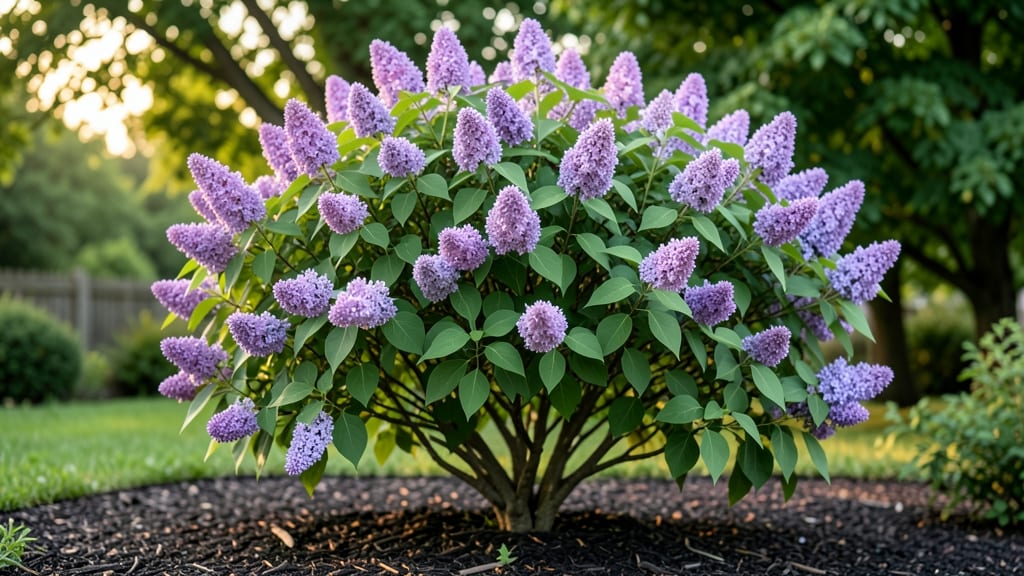
Lilacs bloom in Minnesota between late April and early June, with timing shifting dramatically from the frost-prone north to the milder south.
Picture this: the first hint of purple spikes peeking through the snowmelt in northern Minnesota, while southern gardens burst into fragrance weeks earlier. That’s the zone-based reality of lilac blooming—where a 3-week difference between Duluth and Minneapolis can mean catching peak scent or missing it entirely.
This isn’t just about waiting for buds to swell—it’s about understanding your local microclimate, the variety you’ve planted, and even last year’s frost patterns. Some lilacs, like the hardy 'Siberian Lilac,' bloom earlier, while others, like 'Miss Canada,' stretch the season into June.
Below, I’ll break down the exact month-by-month timing for your Minnesota zone, plus care tips to extend those fragrant blooms and ensure your lilacs return year after year.
Minnesota lilac bloom timeline by hardiness Zone (USDA 3-5)
Minnesota’s USDA zones 3-5 create dramatic differences in lilac bloom timing, with northern gardens often seeing blooms 2-3 weeks later than southern regions. The Common Lilac and 'Katherine Havemeyer' are classic choices, but Dwarf Korean Lilacs offer earlier fragrance for impatient gardeners.
Understanding your zone helps you time pruning and enjoy peak blooms without frost damage.
In Zone 5b (southern MN), lilacs typically burst into bloom by late April to early May, while Zone 4a (northern MN) may see blooms delayed until mid-May to early June. Microclimates near lakes or cities can shift these windows by 1-2 weeks, so local observations matter.
Early bloomers like 'Siberian Lilac' push boundaries, while late varieties like 'Miss Canada' reward patient gardeners.
Here’s a zone-specific breakdown of when to expect lilac blooms, including frost-risk considerations for each region:
| Zone | Early Bloomers | Mid-Season Bloomers | Late Bloomers | Frost Risk |
|---|---|---|---|---|
| Zone 3 (Northern MN) | 'Siberian Lilac' (May 10-15) | 'Common Lilac' (May 20-25) | 'Miss Canada' (May 25-June 1) | High (late frosts common) |
| Zone 4 (Central MN) | 'Dwarf Korean Lilac' (May 1-5) | 'Katherine Havemeyer' (May 10-15) | 'Purple Plume' (May 15-20) | Moderate (varies yearly) |
| Zone 5 (Southern MN) | 'Early Scented Lilac' (April 25-May 5) | 'Common Lilac' (May 1-10) | 'President Lincoln' (May 10-15) | Low (rare late frosts) |
For Zone 3 gardeners, late frosts in May can threaten early bloomers like 'Siberian Lilac', so planting near a south-facing wall adds 1-2 weeks of protection.
In Zone 5, you might catch 'Early Scented Lilac' blooming as early as late April, but always monitor MN DNR frost forecasts for adjustments. Even a single late frost can strip petals from mid-season bloomers like 'Katherine Havemeyer'.
Pruning plays a crucial role in timing. If you prune lilacs after blooming, you’ll encourage next year’s flowers to appear 1-2 weeks earlier. Avoid heavy pruning in Zone 3—these shrubs need all their energy to survive harsh winters.
Instead, focus on light shaping to maintain airflow and reduce disease risk. For Zone 5 gardeners, pruning in early summer (after blooms fade) gives roots time to recover before winter.
Extended bloom duration depends on soil moisture and sun exposure. Lilacs in full sun (6+ hours daily) produce 20-30% more flowers than shaded plants. In Zone 4, where afternoon clouds are common, mulch with 3-4 inches of wood chips to regulate soil temperature.
This helps lilacs like 'Dwarf Korean Lilac' bloom 1 week longer by reducing stress from temperature swings.
Northern Minnesota’s shorter growing season means lilacs in Zone 3 often bloom just once per year, while Zone 5 varieties may produce a second flush of buds in late summer if pruned correctly. To maximize fragrance, plant lilacs near patio seating areas or walkways where you’ll pass them daily.
The 'Common Lilac'’s scent peaks at 70-75°F, so Zone 4 gardeners should time outdoor gatherings for late May afternoons.
Watch for bud swell in early spring—this is your first sign that blooms are coming. In Zone 5, buds may appear as early as March 15, while Zone 3 gardeners should wait until April 1 before expecting visible growth.
If buds swell but don’t open, it could signal bud blast disease (common in wet springs) or nutrient deficiency. Apply a balanced fertilizer (10-10-10) in early spring to prevent this.
For late-season enjoyment, consider fall-blooming varieties like 'Robert L. Webb', which can produce a second bloom in September if given proper care. In Zone 4, this means blooms may appear as late as September 15, just before frost.
Pair fall-blooming lilacs with goldenrod or asters to extend your garden’s color palette into autumn. Just remember: Zone 3’s shorter season limits fall blooms, so focus on early spring varieties instead.
🌸
How to predict lilac blooming time in your Minnesota county
Predicting lilac blooming time in Minnesota isn’t just about checking a calendar—it’s about understanding your local microclimate, USDA zone, and even the maturity of your specific lilac variety.
While most Minnesota lilacs bloom between late May and early June, northern counties like Cook or Lake (Zone 3) may see blooms delayed until mid-June, while southern areas like Olmsted or Fillmore (Zone 5) might flower as early as late May.
Using MN DNR frost data and observing bud development can refine your predictions significantly.
Start by checking the last average frost date for your county—this is your best indicator of when lilacs will begin their spring awakening. For example, Minneapolis (Zone 4b) typically sees its last frost around May 10-15, while Duluth (Zone 3b) may not warm up until May 25-30.
Lilacs need consistent temperatures above 50°F for 7-10 days to trigger bud opening, so monitor your local weather trends closely.
🌸Here’s how to fine-tune your lilac bloom predictions:
- 1 Check your USDA zone—Zone 3 lilacs bloom 2-3 weeks later than Zone 5 varieties due to cooler springs. Use the MN DNR’s frost maps to adjust expectations.
- 2 Observe bud swell—Lilacs form buds in late summer/early fall (August-September). Firmer, larger buds by winter mean earlier spring blooms. Soft or small buds signal a later bloom.
- 3 Adjust for microclimates—South-facing slopes or urban heat islands can push blooms 1-2 weeks earlier, while shaded or windy areas delay them. Plant near a sunny wall to extend the season.
- 4 Prune strategically—Prune right after blooming (June-July) to encourage next year’s flowers. Avoid heavy pruning in fall or winter, which can delay bud formation by 10-14 days.
- 5 Plant early bloomers like 'Siberian Lilac' (Zone 3-5) or 'Miss Canada' (late bloomer) to stretch your fragrance window from May to June. Mix varieties for a 3-week bloom extension.
Once you’ve pinpointed your lilac’s predicted bloom time, you can extend the show with a few simple tricks. For instance, deadheading spent blooms (removing faded flowers) encourages new growth, while light fertilizing in early spring (after last frost) boosts vigor.
Mulching with 3-4 inches of organic matter also helps retain moisture and regulate soil temperature, which can prolong blooming by 5-7 days.
If your lilacs consistently bloom late, consider relocating them to a sunnier spot or planting a heat-loving companion like Russian sage, which thrives in the same conditions and attracts pollinators to support lilac health.
For northern Minnesota gardeners, protect young shrubs with burlap wraps during late spring frost events to prevent bud damage.
With these methods, you’ll not only predict when your lilacs will bloom but also maximize their fragrance and beauty—turning your Minnesota yard into a springtime perfume factory. Happy gardening! 🌿