
Blooming
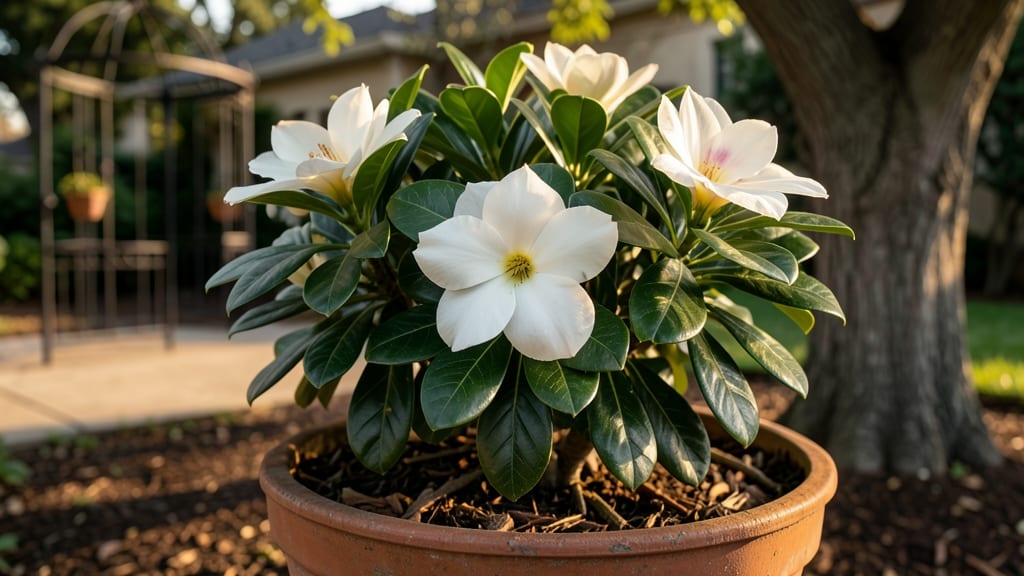
Gardenia blooms in Florida typically arrive between late spring and early summer, with some varieties stretching into fall—though timing can shift dramatically depending on your microclimate and the frost risks lurking in unexpected corners.
If you’ve ever dreamed of filling your Florida garden with the intoxicating fragrance of gardenias 🌸, timing is everything—especially when frost risks lurk around the corner. Knowing the exact blooming windows by variety can mean the difference between a showstopping summer display and missed opportunities.
Florida’s 9a-11 zones mean gardenias can bloom year-round in the southern tip, but up in the Panhandle, a late-winter cold snap can delay blooms by weeks. The key? Planting the right variety for your region and giving them the acidic, well-draining soil they crave.
Below, I break down the month-by-month blooming schedule for Florida’s most popular gardenias, plus the pruning and fertilizing tricks to extend their fragrance-filled season—even when Mother Nature throws a curveball.
Gardenia blooming seasons in Florida: exact months by popular varieties
Florida’s warm climate makes it a paradise for gardenias, but timing blooms depends heavily on the variety and region. While most gardenias thrive year-round, peak blooming seasons shift slightly between North, Central, and South Florida. Understanding these windows helps you plan pruning, fertilizing, and frost protection for maximum impact.
In North Florida (Zones 8a-9a), gardenias like G. jasminoides often bloom late spring to early fall (May–September), while South Florida (Zones 10b-11) varieties may extend blooms into winter (December–February). Central Florida (Zone 9b) falls in between, with spring and summer peaks (April–August).
The summary table below breaks down exact blooming months for popular varieties, including frost-sensitive periods to watch. For example, G. radicans (a cold-hardier type) may bloom earlier in North Florida than G. fortuniana, which thrives in South Florida’s heat.
| Variety | North Florida (Zones 8a-9a) | Central Florida (Zone 9b) | South Florida (Zones 10b-11) | Frost Risk |
|---|---|---|---|---|
| G. jasminoides (Common Gardenia) | May–September | April–August | March–November | High (Dec–Feb) |
| G. radicans (Cape Jasmine) | April–October | March–September | Year-round (peaks Jan–May) | Moderate (Jan–Feb) |
| G. fortuniana (Fortune’s Gardenia) | June–October | May–September | April–December | Low (rare below 32°F) |
| G. augusta (Dwarf Gardenia) | May–August | April–July | March–October | High (Dec–Jan) |
G. jasminoides, the classic variety, dominates Florida gardens with its creamy white blooms and intoxicating scent. In North Florida, its blooming window shrinks to May–September due to cooler temperatures, while South Florida gardeners enjoy blooms from March to November. This variety is highly frost-sensitive, so protect it during December–February with mulch or frost cloth.
For longer blooming seasons, consider G. radicans, also called Cape Jasmine. This variety handles Central Florida’s heat better and blooms from March to September, with South Florida plants even flowering in winter months.
Its moderate frost tolerance makes it a great choice for transition zones like Orlando or Tampa.
G. fortuniana, a heat-loving hybrid, thrives in South Florida’s humidity and blooms nearly year-round, peaking from April to December. In North Florida, its blooming window shortens to June–October, but it’s less frost-prone than other varieties, making it ideal for microclimates with afternoon shade.
Dwarf varieties like G. augusta are perfect for containers or small gardens and bloom from May to August in North Florida. In South Florida, their blooming extends to March–October, but they’re extremely frost-sensitive.
Use potted gardenias to move them indoors during cold snaps or group them near heat-retaining walls.
Regional microclimates also play a role. For example, coastal South Florida (like Miami) stays warm year-round, while inland areas (like Ocala) may see shorter blooming windows. If you’re in North Florida, choose frost-hardier varieties like G. radicans or plant near southeast-facing walls to extend the growing season.
To encourage blooming, fertilize with acid-loving plant food in early spring (March) and late summer (August). Prune lightly after blooming to remove dead flowers and shape the shrub. Avoid heavy pruning in fall or winter, as new growth may freeze before blooming.
With the right variety and care, your Florida gardenia can reward you with fragrant blooms for months. Start by matching your region and microclimate to the blooming windows in the table above, then adjust care to protect buds during frost risks. Soon, you’ll be enjoying gardenias
How to extend gardenia blooms in Florida: pruning, fertilizing & frost protection
Florida gardenias thrive year-round, but their blooms peak during spring and early summer when temperatures hover between 65°F and 85°F. To extend that fragrant display, I’ve learned that timing pruning, fertilizing, and frost protection can make all the difference.
The key is balancing growth stimulation with stress reduction—especially during Florida’s unpredictable late-winter cold snaps that can shock buds.
Start by understanding your gardenia’s growth cycle. Most varieties like G. jasminoides begin flowering in April-May and continue through July-August, but heavy pruning after blooming can cut short their season.
My trick? Light pruning in late winter (February) to shape the plant before buds form, while avoiding heavy cuts that remove next year’s blooms.
Here’s my step-by-step guide to maximizing bloom duration, with critical timing and Florida-specific tips to protect your plants:
- 1
- 2
- 3
- 4
- 5
One of my biggest lessons? Don’t over-prune. I once trimmed my gardenia back by half after blooming, and it took two years to recover its fragrance.
Instead, I now focus on selective shaping—removing only dead wood or overcrowded branches in late winter. This preserves the flowering nodes while keeping the plant tidy.
For frost protection, I’ve found that microclimates matter. Gardenias near south-facing walls or under large oak trees stay warmer at night. In North Florida (Zone 8a), I’ve even planted mine near evergreen shrubs to create a natural windbreak.
And if a hard freeze is forecasted, I’ll drape burlap sacks soaked in water over the plant—the added moisture helps regulate temperature.
Finally, organic fertilizers like composted pine needles or cottonseed meal can boost blooms without the risk of synthetic chemical burn. I mix these into the soil in early spring and again in late summer to give my gardenias a steady nutrient supply without overloading them.
The result? Longer bloom seasons and healthier foliage that stays lush even through Florida’s humid summers.
With these strategies, your gardenias can bloom 2-3 weeks longer than average—and fill your Florida garden with that unmistakable, creamy fragrance from April through September. 🌸