
Blooming
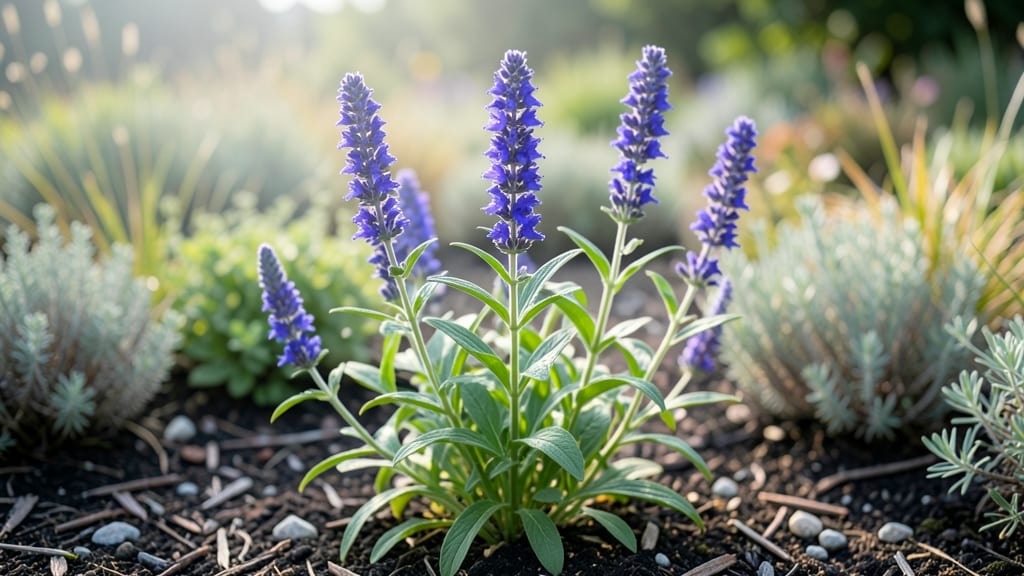
Veronica flowers bloom in vibrant purple spikes that can last from June through August—but only if you know the right timing for deadheading and care.
Those cascading purple spikes of Veronica 🌸 can turn your garden into a pollinator paradise—but only if you time your deadheading just right. Too early, and you cut off future blooms; too late, and the flowers fade before they’ve even shown their best colors.
Most Veronica varieties, like Veronica spicata, thrive in full sun to partial shade and prefer well-draining soil. With the right conditions, you can extend their bloom time by up to two months, turning a single burst of color into a season-long display.
In this guide, I’ll break down the exact bloom cycles, the best deadheading techniques, and how to keep your Veronica flowering nonstop—so you can enjoy those purple spikes from early summer right through the heat of August.
Veronica bloom time stages: how long each flower spike lasts
Veronica flowers are famous for their long-lasting purple spikes, but their bloom duration varies based on variety, climate, and care. Understanding each stage helps you extend flowering from early summer to early fall—or even later with the right techniques.
Let’s break down the timeline so you can keep those pollinator-friendly blooms coming.
The initial bloom stage typically lasts 2-3 weeks for most Veronica varieties, starting when flower buds first open.
This is when your plants show their brightest purple or blue spikes, attracting bees and butterflies. Veronica spicata, the most common type, often blooms earliest, while Veronica longifolia may lag by 1-2 weeks in cooler regions.
During the peak production phase, Veronica can produce new flower spikes every 10-14 days if you deadhead spent blooms. This stage lasts 4-6 weeks under ideal conditions, but heatwaves or drought can shorten it.
In USDA Zone 7-9, peak blooming often aligns with June and July, while cooler zones may see delayed timing.
Here’s how climate affects Veronica’s bloom time:
- Hot, dry climates (Zones 8-10): Shorter initial bloom (2 weeks) but longer peak if watered consistently.
- Cooler regions (Zones 4-6): Extended initial bloom (3-4 weeks) but may need protection from late frosts.
- Humid areas: Risk of powdery mildew can reduce spike longevity by up to 50%.
🌸
| Stage | Duration | Key Features | Care Tip |
|---|---|---|---|
| Initial Bloom | 2-3 weeks | First flower spikes open; vibrant color | Water deeply 2x/week; avoid wilted buds |
| Peak Production | 4-6 weeks | New spikes emerge every 10-14 days | Deadhead weekly; fertilize lightly |
| Late Season | 3-5 weeks | Fewer blooms; may fade by frost | Prune back 1/3; mulch for winter |
| Climate Adjustment | ±1-2 weeks | Cooler zones extend initial bloom; heat shortens peak | Shade cloth in summer; row covers in spring |
The late-season stage begins when new growth slows down, usually 8-10 weeks after initial bloom. At this point, Veronica may produce smaller, less vibrant spikes, but with proper pruning, you can coax another round of blooms before frost.
In Zone 5 or colder, expect blooming to taper off by late August or early September.
To extend Veronica’s bloom time, focus on three critical care tasks:
- Deadhead spent blooms every 7-10 days to redirect energy to new growth.
- Water at the base (not overhead) to prevent fungal diseases that weaken spikes.
- Fertilize lightly in early summer with a balanced 10-10-10 formula to support flowering.
In USDA Zone 10+, Veronica can bloom nearly year-round with minimal care, while Zone 4 gardens may only see 6-8 weeks of blooms without protection. If you live in a transitional zone, mulch heavily in fall to insulate roots and encourage early spring regrowth.
🌿
Pro tip: Veronica incana (woolly Veronica) often blooms 2-3 weeks later** than other varieties but produces silvery foliage that stays attractive even after flowering. If you’re growing this type, plan to deadhead in late July or August for a second flush of blooms.
By understanding these stages and adjusting your care, you can turn a single 3-week bloom into a 3-month flowering spectacle. Start with the right variety for your climate, then let deadheading and consistent watering do the rest!
✂️
When and how to deadhead Veronica for continuous purple spikes
Veronica’s vibrant purple spikes can dominate your garden with minimal effort—but only if you deadhead at the right time. This simple pruning technique removes spent blooms, encouraging new flower growth and extending your plant’s blooming season by weeks.
The key lies in understanding Veronica’s bloom cycles and avoiding common deadheading mistakes that can stunt future flowers.
Most Veronica varieties bloom in late spring to early summer, with some extending into fall if cared for properly. Early bloomers like Veronica spicata start in May, while late varieties like Veronica longifolia may continue until July or August.
Deadheading at the right stage—just after the first flower spike fades—triggers regrowth from the base, leading to denser, longer-lasting blooms.
Start deadheading when 20-30% of flowers on a spike have faded. Use clean, sharp pruning shears or your fingers to pinch off the spent blooms just above a set of healthy leaves. Avoid cutting into old wood, as Veronica’s new growth emerges from the base, not the stems.
For Veronica spicata, this means cutting back by about 1/3 of the stem length to encourage bushier growth.
Timing matters most in early bloom stages. If you miss the window, Veronica may shift energy from flowering to seed production. For example, if your Veronica incana blooms in June, deadhead every 7-10 days until mid-July to keep spikes fresh.
Late bloomers like Veronica longifolia benefit from weekly deadheading until early August, but reduce frequency afterward to preserve energy for winter.
Grab these essential tools for perfect deadheading: bypass pruners for thick stems, gloves to protect from thorns (especially in Veronica spicata ‘Sunny Border Blue’), and a small bucket for spent blooms.
Sterilize tools with rubbing alcohol between plants to prevent disease spread. Pro tip: Deadhead on a dry, sunny morning to reduce fungal risks and speed up recovery.
Watch for over-pruning signs: bare stems, yellowing leaves, or stunted growth mean you’ve cut too aggressively. If this happens, reduce deadheading frequency and fertilize lightly with a balanced 10-10-10 mix to encourage regrowth.
With the right timing, your Veronica can produce continuous blooms for 8-12 weeks, turning your garden into a pollinator magnet all season long. 🌸