
Blooming
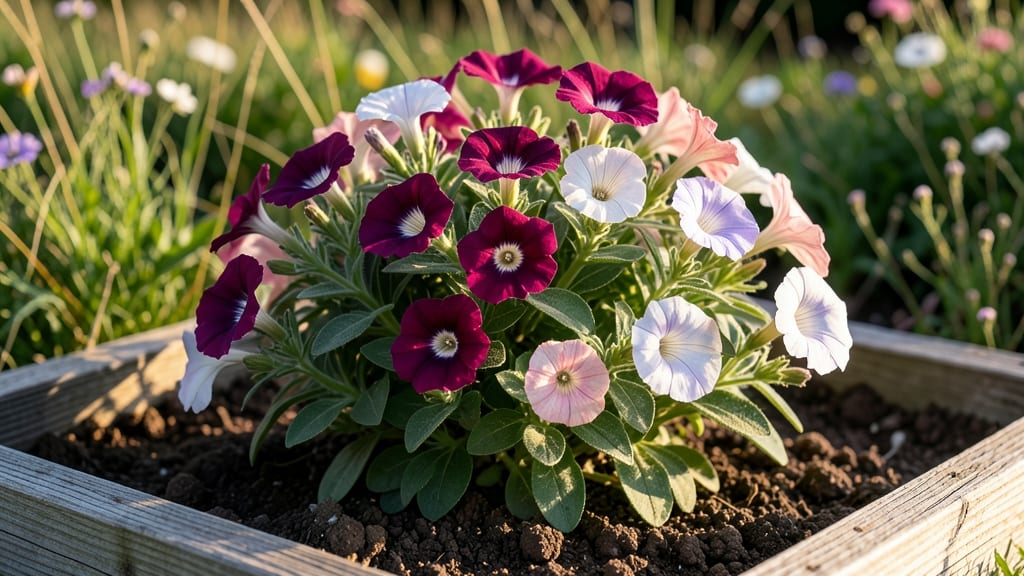
Petunias do bloom all summer when given proper care, thriving from early June until frost with vibrant flowers. However, their blooming period can be cut short by heavy rain, extreme heat, or neglect. Regular deadheading of spent blooms keeps them flowering continuously.
Petunias are summer's rockstars in the garden, but their performance depends heavily on variety and growing conditions. 🌸 For instance, grandiflora types produce large, showy blooms that last longer in moderate climates, while trailing varieties may need extra support to keep flowering.
In hot, dry regions, mulching helps retain moisture, while in cooler areas, afternoon shade prevents wilting. The key is matching petunia types to your local climate—some varieties simply can't handle intense heat or humidity.
What many gardeners don't realize is that consistent blooming requires more than just sunlight. Proper fertilization (every 2-3 weeks) and balanced watering (deep but infrequent) make all the difference. I've seen petunias in containers outperform their in-ground counterparts because container soil stays warmer and drains better.
The secret weapon? Deadheading—removing faded blooms not only keeps the plant looking neat but also redirects energy to new flowers.
💡 In This Article
- Petunia Bloom Duration by Variety and Climate
- Extending Petunia Blooms: Care Tips for Longer Summer Flowers
Petunia bloom duration by variety and climate
Petunias aren't one-size-fits-all when it comes to summer blooming. The grandiflora varieties, known for their large 4-6 inch flowers, typically bloom 6-8 weeks longer than other types because their sturdy stems support more blooms. These showstoppers thrive in full sun (6-8 hours daily) and moderate temperatures between 60-75°F.
In contrast, multiflora petunias produce smaller, more abundant blooms but may struggle in extreme heat, often requiring afternoon shade in zones with temperatures above 85°F. 🌞
The trailing varieties, like 'Wave' petunias, are bred for continuous blooming but need 50-75% more space than bush types. Their vines can stretch 12-24 inches, creating a cascading effect, but they're more sensitive to wind and require staking or hanging baskets.
In coastal regions, salt spray can shorten their bloom time by 30%, while inland areas with low humidity (like 20-30% RH) actually extend their season. The science behind this? Low humidity reduces fungal diseases that attack stressed plants, allowing them to focus energy on flowering.
Climate plays a dramatic role in bloom duration. In USDA Zone 5 (where winters dip below -20°F), petunias bloom 8-10 weeks before frost, while in Zone 10 (mild winters), they can flower 12+ weeks with proper care.
The day length also matters—petunias are short-day plants, meaning they bloom more prolifically when daylight hours shorten in late summer. This is why you'll often see a second bloom surge in September, especially in regions with 12-14 hour daylight.
Here's what's actually happening at the cellular level: Petunias produce auxin hormones that regulate flower development. When temperatures exceed 90°F, auxin production drops by 40%, causing buds to abort. This is why afternoon shade cloth (providing 30-50% shade) can extend blooming by 2-3 weeks in hot climates.
The good news? Modern hybrid varieties, like 'Mitchell' Diploid petunias, have been bred to tolerate up to 95°F while maintaining bloom production.
Consider these variety-specific blooming windows in typical summer conditions:
- Grandiflora: June through September (12-14 weeks) in moderate climates
- Multiflora: May through October (16-18 weeks) but may decline in heatwaves
- Trailing: June through frost (14-20 weeks) with proper support
- Milliflora: May through September (12 weeks) but with 2-3x more blooms than grandifloras
The key takeaway? Match your petunia variety to your climate zone and adjust care practices accordingly. For example, in Zone 7, grandifloras will outperform multifloras by 30% in bloom duration, while in Zone 9, trailing varieties often bloom 4-6 weeks longer due to milder winters. 🌿