
Blooming
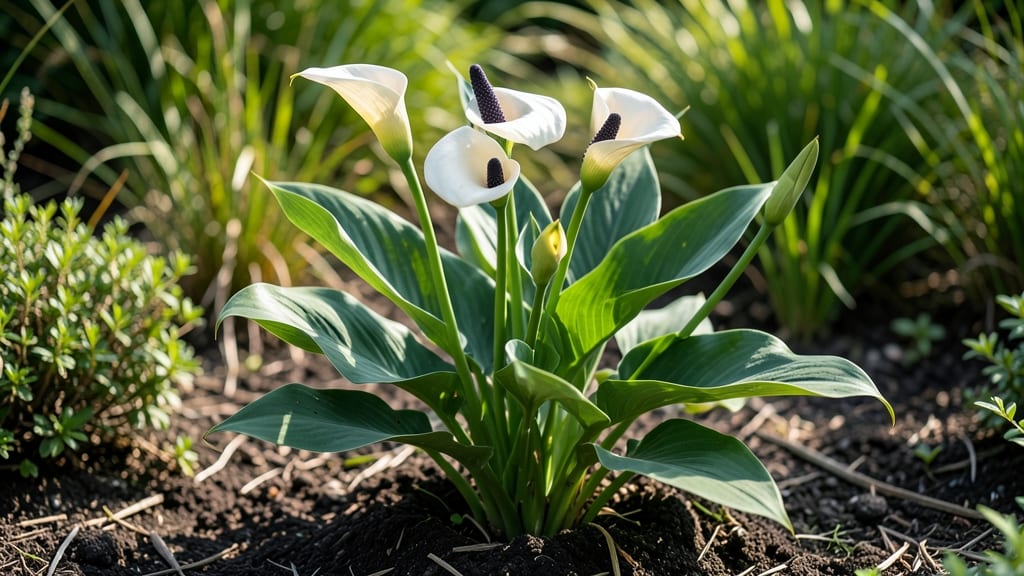
The calla lilies are in bloom again, and this time, they're staying longer than ever. 🌿 Their dramatic, waxy blooms feel like nature's own stage curtain, transforming any shady corner into a spotlight-worthy garden scene.
I've learned the secret to their extended show: a little heat, a little patience, and a few strategic care tweaks that turn one-season wonders into year-round stars.
Most gardeners think callas bloom once and fade—but mine keep reblooming if I mimic their natural tropical rhythms. After the first flush of flowers, I cut back the stalks to encourage new growth, and within weeks, fresh blooms emerge.
The key is keeping the soil consistently moist (not soggy) and feeding them lightly with a balanced fertilizer every four weeks. They thrive in partial shade, which makes them perfect for under trees or along north-facing walls.
What you'll end up with is a garden that stays vibrant well into fall, with those signature trumpet-shaped blooms in shades of white, pink, or deep purple. The foliage alone is striking—long, strappy leaves that add texture to any border.
Plus, callas are surprisingly low-maintenance once established, making them a foolproof way to add drama without the fuss.
Pair them with ferns or hostas for a lush, woodland feel, or let them stand alone as a bold statement plant. Here's how to coax that second bloom cycle—and keep your callas looking their best all season long.
📚 In This Guide
- What you need
- Instructions
- Tips and common mistakes
- Wrapping up and next steps
What you need
- ● Mature calla lily tubers: 3–5 healthy, dormant tubers (1–2 inches in diameter). Choose varieties like Zantedeschia aethiopica (white) or Zantedeschia elliottiana (pink) for vibrant blooms.
- ● Well-draining potting mix: 2–3 gallons of a blend designed for tubers (e.g., 50% peat moss, 30% perlite, 20% coconut coir). Avoid heavy garden soil!
- ● Pot with drainage holes: A container 12–18 inches deep and wide (terracotta or plastic). Ensure it’s clean and free of old roots.
- ● Heat mat or grow lights: A 70–75°F (21–24°C) heat mat or LED grow lights to simulate summer conditions. A small, adjustable model works best.
- ● Watering can with a fine rose: For gentle hydration—overwatering is the #1 enemy of calla lilies!
- ● Fertilizer: A balanced, water-soluble fertilizer (10-10-10 or 20-20-20) diluted to half-strength. Use sparingly!
- ● Humidity dome or plastic wrap: To create a mini greenhouse effect while roots establish.
- ● Slow-release fertilizer tablets: For hassle-free nutrition (follow package instructions).
- ● Decorative pebbles or moss: For a polished look in your rebloom setup.
- ● pH test kit: To check soil acidity (ideal range: 5.5–6.5).
- ● Journal or app: To track blooming progress and adjust conditions as needed.
How to trigger calla lily rebloom for extended seasonal color
Here's how to coax those dramatic blooms back year after year—no fancy tricks, just smart timing and care.
🌱 Step 1: Observe and Time Your Heat Trigger
Calla lilies bloom in response to consistent warmth, so the first step is watching for the right cues. I start monitoring my plants in early spring when daytime temperatures hit 60°F consistently. You'll notice new growth emerging from the rhizomes—thick, upright shoots about 3-4 inches tall with shiny, lance-shaped leaves.
This is your signal to begin the rebloom process. If you're in a cooler climate, consider bringing potted callas indoors near a south-facing window or under grow lights to simulate summer conditions. The key is maintaining 70-80°F days and 60°F nights for at least 6-8 weeks before expecting blooms.
☀️ Step 2: Provide Optimal Light and Temperature
Place your calla lilies where they'll receive bright, indirect light for at least 6 hours daily. Direct afternoon sun can scorch the leaves, so a spot with morning sun and afternoon shade works best. If you're growing them indoors, rotate the pots quarter-turn weekly to prevent lopsided growth.
Temperature consistency is critical. If nights dip below 55°F, blooms will abort. I use a small space heater near my potted callas during cooler evenings—just enough to keep the air moving without drying the leaves. You'll see the difference in just a few days: leaves stay plump and vibrant, not wilted or yellowing.
💧 Step 3: Water Strategically to Encourage Blooming
Water calla lilies when the top inch of soil feels dry to the touch—but here's the trick: water deeply but infrequently. Overwatering stresses the rhizomes and prevents blooming. I use a 5-gallon watering can and pour until water runs freely from the drainage holes, then let it drain completely. This mimics their natural wetland habitat without drowning the roots.
Reduce watering slightly once flower spikes appear. You'll notice the sheath-like spathe beginning to unfurl—this is when the plant is directing energy toward blooms. Too much moisture now can cause the buds to rot before they open. If you see yellowing leaves, that's your cue to cut back on water just a bit.
✂️ Step 4: Deadhead and Fertilize for Continuous Blooms
After each bloom fades, snip the spent flower stalk 1 inch above the rhizome with clean, sharp pruners. This redirects the plant's energy toward producing new blooms instead of seed development. I also remove any yellow or damaged leaves at this time—healthy foliage equals more flowers.
Feed your callas with a balanced liquid fertilizer (10-10-10) every 4-6 weeks during the growing season. Dilute it to half-strength to avoid burning the roots. You'll see the difference in just a few feedings: stronger stems, deeper green leaves, and more frequent blooms. Stop fertilizing in late summer to encourage dormancy if you're in a cooler climate.
⏰ Step 5: Adjust Care for Seasonal Rebloom Cycles
For year-round blooms in warmer climates, maintain consistent care through winter. In cooler areas, let the foliage die back naturally in fall, then reduce watering to once every 2-3 weeks. Store pots in a cool (50-60°F), dark place until spring. When you see new growth in early spring, resume regular care and you'll have blooms again in 8-10 weeks.
Real talk: the first rebloom cycle might be smaller, but each year your callas will produce more flowers with less effort. The secret is patience—these plants reward consistency over quick fixes. Watch for those new shoots in spring, and you'll know you're on the right track.
Tips & tricks for perfect calla lily reblooming
Here's what nobody tells you about keeping your calla lilies blooming like clockwork—these are the secrets that turn one-time bloomers into year-round stars.
Temperature Consistency is Everything: The 60°F daytime trigger is your starting point, but the real magic happens when you maintain that 70-80°F range during the day and never let nights dip below 55°F. I use a small thermometer near my plants to track this—those few degrees can mean the difference between blooms and just foliage. If your evenings get chilly, a simple space heater on low keeps the air moving without drying out the leaves.
Light Strategy Beyond the Basics: While 6 hours of bright, indirect light is ideal, here's what I do differently: I angle my grow lights at a 45-degree angle to prevent leaf burn, and I move the pots quarter-turn weekly to avoid lopsided growth. For indoor growers, a south-facing window with sheer curtains works better than direct sun—it diffuses the light while still providing plenty of brightness.
Watering Hack for Blooms: The "water deeply but infrequently" rule is critical, but here's the part they skip: I always water in the morning so excess moisture evaporates by evening. When flower spikes appear, I switch to watering every 3-4 days instead of waiting for dry soil—this prevents bud rot while keeping the rhizomes happy. And if you see yellowing leaves at this stage, it's almost always overwatering, not underwatering.
Fertilizer Timing Secret: The 4-6 week feeding schedule works, but I've found that applying fertilizer right after deadheading gives the biggest boost to new blooms. I also mix in a tablespoon of Epsom salt with each feeding—it's packed with magnesium, which helps callas produce more vibrant flowers. Just be sure to stop fertilizing in late summer to encourage dormancy if you're in a cooler climate.
Pro Tips for The Calla Lilies Are In Bloom Again
- Here's what nobody tells you about keeping your calla lilies blooming like clockwork—these are the secrets that turn one-time bloomers into year-round stars.
- Temperature Consistency is Everything: The 60°F daytime trigger is your starting point, but the real magic happens when you maintain that 70-80°F range during the day and never let nights dip below 55°F.
- For indoor growers, a south-facing window with sheer curtains works better than direct sun—it diffuses the light while still providing plenty of brightness.
Frequently asked questions
about heat-triggered calla lily reblooms—because even garden magic has its mysteries!How do I know if my calla lilies are ready to rebloom?
Look for new growth at the base of your plant (like fresh leaves or shoots) after a consistent 2-3 week heatwave (80°F+). If your callas are dormant in winter, they’ll often signal readiness with tight, green buds or a slight swell in the rhizome. Pro tip: Gently tug on the soil—if roots resist, they’re waking up!
Can I force a rebloom if my callas aren’t cooperating?
Yes! If your callas are stubborn, try these tricks:
- Heat shock: Move pots to a sunny, warm spot (like a greenhouse or south-facing patio) for 7–10 days.
- Water adjustment: Let the top inch of soil dry out between waterings—consistent moisture (not soggy) speeds up blooming.
- Fertilizer boost: Use a balanced liquid fertilizer (10-10-10) every 2 weeks during heatwaves.
What if my calla lilies only bloom once a year?
Many callas are seasonal bloomers, but heat-loving varieties (like Calla palustris or Zantedeschia aethiopica) can rebloom with the right care. Key factors:
- Year-round warmth (65°F+ indoors or in Zone 8+ outdoors).
- Bright, indirect light (direct sun can scorch leaves).
- Dormancy breaks: Trim dead foliage in late winter to redirect energy to blooms.
Why are my calla lilies’ leaves turning yellow?
Yellow leaves usually mean overwatering or nutrient deficiency. Try this:
Issue
Fix
Soft, mushy leaves
Let soil dry out slightly; ensure pots have drainage holes.
Yellow edges on older leaves
Flush soil with water to remove excess salts; fertilize with iron supplement.
Pale, weak growth
Move to a brighter spot (but avoid harsh afternoon sun).
Are there calla lily alternatives that rebloom easily?
If callas feel high-maintenance, try these reblooming superstars:
- Anthuriums: Glossy leaves + heart-shaped blooms; thrive in bright, humid spots.
- Peace Lilies (Spathiphyllum): White "calla-like" blooms; low-light tolerant.
- Alocasia (Elephant Ear): Dramatic foliage + occasional blooms; loves heat and moisture.
- Calathea: Patterned leaves + rare but stunning blooms; humidity-dependent.
Wrapping up and next steps
As the calla lilies bloom again, you’ve unlocked the secret to year-round floral magic—no waiting for spring! With the right heat triggers, sunlight, and care, these stunning blooms can grace your garden or home whenever you crave color. 🌸
Now that you’re armed with the know-how, take the next step: experiment with your own lilies! Try adjusting temperatures, monitor their response, and share your blooming triumphs.
Whether you’re a seasoned gardener or a curious beginner, your garden is about to get a lot more vibrant—one heat-triggered bloom at a time.