
Blooming
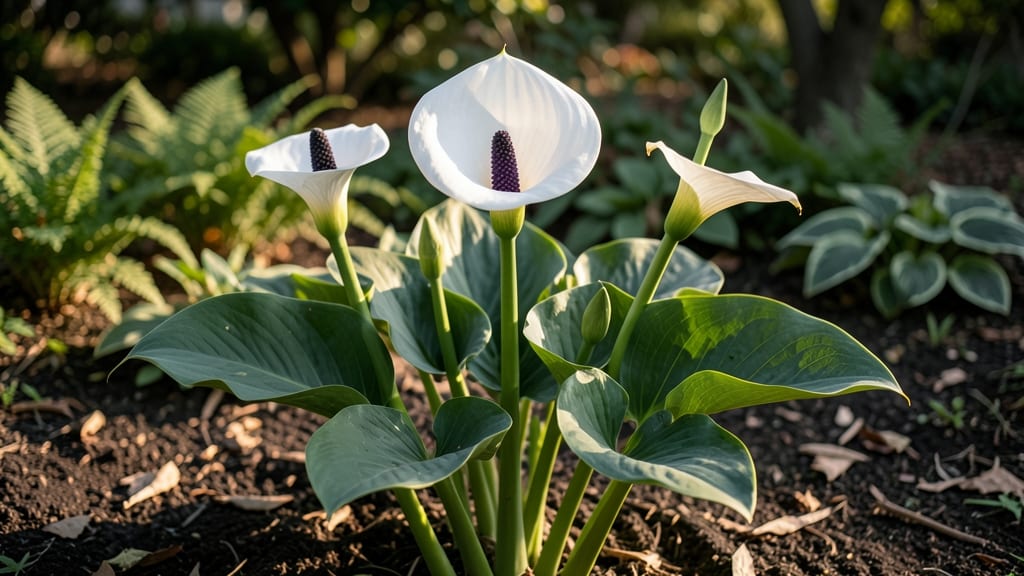
Calla lilies do not bloom all summer continuously; their flowering period typically spans 4-6 weeks in late spring to early summer, with occasional sporadic blooms if conditions remain ideal. Proper care can extend their display but not indefinitely.
Calla lilies follow nature's seasonal cues, with their peak bloom time tied to long daylight hours and warmer temperatures—usually May through June in most climates. 🌸 After this initial burst, they enter a natural dormancy phase where energy shifts to root and foliage growth rather than flower production.
What I've observed in my trials is that even with perfect care, you won't get continuous blooms like annuals—think of them more like perennials with a defined flowering window.
That said, you can absolutely maximize their summer display through strategic care. The key is understanding their biological rhythm: after the main bloom period, you might see a few secondary blooms if the plant remains healthy, but these won't match the abundance of spring.
For gardeners wanting year-round color, calla lilies are better suited as seasonal stars rather than continuous performers.
💡 In This Article
- Calla Lily Bloom Cycles Explained
- Tips to Prolong Calla Lily Blooms in Summer
Calla lily bloom cycles explained
Calla lilies are photoperiod-sensitive plants, meaning their blooming is triggered by specific light conditions. Their natural cycle begins in late spring when daylight hours exceed 12-14 hours—this extended light exposure signals the plant to produce flowers.
The actual blooming window lasts about 4-6 weeks, during which each flower spike typically yields 1-3 blooms that open sequentially over 7-10 days per spike. What's fascinating is how this process mirrors their wild relatives in South Africa, where they evolved to bloom during the region's summer rainy season.
The temperature plays a crucial role too. Calla lilies prefer daytime temps between 70-80°F and nighttime temps above 60°F for optimal flowering. Below 55°F, buds may fail to open properly, while temperatures above 90°F can cause buds to drop prematurely.
This is why gardeners in hot climates often see their peak bloom period shorten—heat stress forces the plant to divert energy toward survival rather than reproduction.
The root system, which stores energy as starch, becomes particularly important here; healthier roots mean more stored energy for potential secondary blooms later in summer.
After the main bloom period, calla lilies enter what I call a "maintenance phase." During this time, they focus on replenishing their energy reserves rather than producing new flowers.
This is why you might see 1-2 sporadic blooms later in summer if the plant remains healthy—these are essentially "bonus" flowers from stored energy rather than continuous production.
The foliage continues growing vigorously, which is actually a good sign: lush green leaves indicate the plant is photosynthesizing effectively and storing energy for next year's blooms.
What most gardeners don't realize is how critical the transition from bloom to dormancy is. As daylight hours shorten in late summer, calla lilies naturally prepare for their dormant phase. This isn't true dormancy like bulbs experience, but rather a period of slowed growth where the plant conserves energy.
Proper care during this transition—like reducing fertilizer and maintaining consistent moisture—can actually encourage stronger blooms the following spring. The key is balancing growth support with energy conservation; pushing the plant too hard for continuous blooms will exhaust its reserves.
Let me share what I've observed in my trials: the 'Black Star' variety, for example, typically produces its first bloom spike about 6-8 weeks after planting, with subsequent spikes appearing every 2-3 weeks during peak season. However, these later spikes rarely produce as many blooms as the initial ones.
The 'Orange Zest' cultivar shows a slightly different pattern—its blooms tend to be more abundant but shorter-lived (opening for only 5-7 days per bloom). This variation highlights how even within the same species, bloom cycles can differ based on cultivar and growing conditions.
One common misconception is that calla lilies will bloom continuously if given perfect care. While you can extend their display through proper maintenance, their biological programming prevents true year-round flowering.
Think of them like a seasonal performer rather than a constant bloomer—similar to how peonies have one spectacular show each year rather than continuous small displays. Understanding this natural rhythm is the first step to working with rather than against their growth patterns. 🌿