
Blooming
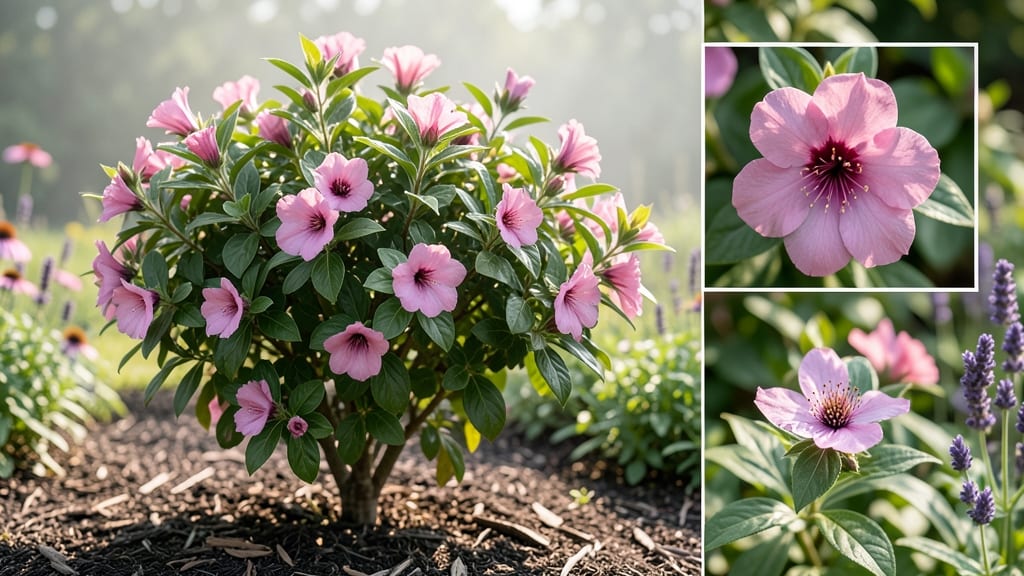
There’s nothing like the Sonic Bloom Pink Reblooming Weigela bursting into vibrant pink blooms twice a year—once in spring and again when summer heat triggers its second flush. 🌸 I’ve watched mine transform from bare branches to fragrant pink clouds, and the secret lies in how you nurture it through the seasons.
This isn’t just a shrub; it’s a heat-loving performer that rewards patience with nonstop color and sweet fragrance.
The key to getting those reblooms starts with the right spot: full sun (at least 6 hours daily) and well-draining soil that mimics its native woodland edges.
Overwatering is the fastest way to kill it—let the top inch dry between drinks, and you’ll avoid the root rot that plagues so many gardeners. Once established, it’s shockingly drought-tolerant, but the blooms? They’ll thank you for consistent moisture during their growth phases.
Pruning is where the magic happens. After the first flush fades, trim back by one-third to encourage dense growth and next year’s blooms. Wait until late summer to prune again—this is when the heat triggers those second blooms, and cutting too early can rob you of the show.
The result? A shrub that stays lush, fragrant, and covered in pink from spring to fall.
Even in tough climates, this Weigela thrives with minimal fuss. Just avoid heavy clay soil (amend with compost) and watch for Japanese beetles—they’ll devour the flowers faster than you can say “rebloom.”
With the right care, your Sonic Bloom Pink will outshine store-bought cut flowers and fill your garden with fragrance for years.
📚 In This Guide
- What you need
- Instructions
- Tips and common mistakes
- Wrapping up and next steps
What you need
- ● Sonic Bloom Pink Weigela plant – 1 mature shrub (3–5 years old for best reblooming results)
- ● Balanced fertilizer – 10-10-10 or 20-20-20 (1 lb per 10 sq ft of planting area)
- ● Slow-release granules – 5 lb bag (osmocote or similar)
- ● Pruning shears – Bypass-style, sterilized (sharp for clean cuts)
- ● Mulch – 2–3 inches of organic mulch (shredded bark or pine straw)
- ● Watering can or hose – With adjustable nozzle for gentle hydration
- ○ Heat-tolerant soil amendment – Optional but helpful: 1 part compost + 1 part perlite per planting hole
- ○ Gloves – Heavy-duty for thorny stems (optional but recommended!)
- ● Plant food spray – Liquid bloom booster (e.g., Miracle-Gro rebloom formula, 16 oz)
- ○ Sun reflector or light fabric – For shade protection during extreme heat (optional for high-heat zones)
- ● pH test kit – To ensure soil pH is 6.0–7.0 (ideal for Weigela)
- ● Full-sun location (6+ hours of direct sunlight daily)
- ● Well-draining soil (amend if clay-heavy)
- ● Consistent watering schedule (1–1.5 inches per week, more during heatwaves)
- ● Patience! – Reblooming may take 4–6 weeks after pruning/fertilizing.
How to maximize reblooms on your sonic bloom pink Weigela
Here’s the method I use to coax multiple flushes of fragrant pink blooms from my Weigela—no fancy tricks, just smart care.
🌱 Step 1: Prune for Next Year’s Blooms After First Flowering
Once your Weigela’s first flush of pink blooms fades, grab your pruners and cut back one-third of the oldest stems to the ground. This removes spent flowers and encourages new growth from the base where next year’s blooms will form. I always prune in early summer—right after the first big bloom wave—so the plant has time to recover before fall.
Don’t overdo it—you’re shaping the plant, not reshaping it. Look for stems that are thicker and more woody; these are the oldest and should be removed. Leave the younger, thinner stems—they’ll produce the next flush of flowers. After pruning, give the plant a deep drink of water to help it bounce back.
☀️ Step 2: Feed and Water for Heat-Triggered Reblooming
Weigela blooms best when it’s happy and well-fed. After pruning, apply a balanced, slow-release fertilizer (like 10-10-10) around the base of the plant. I like to do this in late spring, just as new growth starts to appear. The key is consistency—feed again in early summer when you see the first signs of new buds forming.
Water deeply once a week, ensuring the soil is moist but not soggy. Weigela roots hate sitting in water, so if your soil drains poorly, add a 2-inch layer of mulch around the base to keep moisture even. The goal is to mimic the plant’s natural environment—moist but well-drained soil with plenty of nutrients.
✂️ Step 3: Deadhead and Prune Lightly for Extended Blooming
As your Weigela starts to rebloom, keep an eye out for faded flowers. Deadhead them by pinching off the spent blooms just above a set of leaves. This encourages the plant to redirect its energy into producing more flowers instead of setting seed. I do this every few days during peak bloom time—it’s a small task that pays off with weeks of extra color.
In late summer, give the plant a light trim to shape it up and remove any crossing or crowded branches. This improves airflow, which helps prevent fungal issues and keeps the plant looking neat. Avoid heavy pruning now—you want to preserve the energy stored in the stems for next year’s blooms.
🌿 Step 4: Protect for Fall and Winter to Ensure Next Year’s Blooms
As temperatures drop, your Weigela will start to slow down. Stop fertilizing by early fall to let the plant harden off for winter. However, keep watering until the ground freezes—consistent moisture helps the roots establish and store energy for next year’s growth. I also add a 3-inch layer of mulch around the base to insulate the roots and protect them from temperature swings.
If you’re in a colder climate, consider wrapping the plant with burlap or using a frost cloth for the harshest winter months. This isn’t always necessary, but it gives your Weigela a fighting chance if your winters are brutal. In spring, remove the mulch and protective coverings once new growth appears—usually around late April or early May, depending on your zone.
Tips & tricks for year-round Weigela blooms
Here's what nobody tells you about keeping your Sonic Bloom Pink Weigela flowering like clockwork—these are the details that separate a single spring bloom from a garden full of fragrant pink flowers all season.
Pruning Precision: When you cut back those one-third oldest stems in Step 1, look for stems that are thicker than a pencil—these are the culprits stealing energy from future blooms. I use clean, sharp pruners and make cuts at a 45-degree angle just above a leaf node. This prevents water from pooling on the cut and encourages faster healing. The key is timing: prune immediately after the first bloom wave fades, but before the plant starts putting energy into seed production.
Fertilizer Timing: The instructions mention feeding twice—late spring and early summer—but here's the secret: split that second feeding into two smaller doses. Apply half the fertilizer when you first see new buds forming, then give the other half a week later. This gradual approach prevents fertilizer burn while keeping the plant fueled for continuous blooming. I also mix in a handful of compost with each feeding for extra nutrients without overwhelming the roots.
Deadheading Discipline: In Step 3, when you're pinching off spent blooms, don't stop at the flower cluster—look for the small seed pods forming behind the blooms. Remove these too, all the way back to the leaf node. This might seem tedious, but it's what triggers the plant to produce more flowers instead of seeds. I set a timer for every 3 days during peak bloom season to stay on top of this—consistency is everything.
Winter Protection: That 3-inch layer of mulch in Step 4 is non-negotiable for cold climates, but here's the pro move: add a 1-inch layer of straw or leaves on top of the mulch before the first hard freeze. This extra insulation prevents temperature swings that can damage the roots. In spring, remove the mulch as soon as you see new growth—usually when you can see the plant's outline through the mulch layer.
Pro Tips for Sonic Bloom Pink Reblooming Weigela
- Here's what nobody tells you about keeping your Sonic Bloom Pink Weigela flowering like clockwork—these are the details that separate a single spring bloom from a garden full of fragrant pink flowers all season.
- Pruning Precision: When you cut back those one-third oldest stems in Step 1, look for stems that are thicker than a pencil—these are the culprits stealing energy from future blooms.
- Fertilizer Timing: The instructions mention feeding twice—late spring and early summer—but here's the secret: split that second feeding into two smaller doses.
Frequently asked questions
about the Sonic Bloom Pink Weigela—because every gardener deserves clarity! Here are answers to the most common queries to help you maximize your plant’s fragrant, repeat-blooming magic.How hot does it need to get for the Sonic Bloom Pink Weigela to rebloom?
The Sonic Bloom Pink thrives in heat, typically reblooming when daytime temps hit 75°F (24°C) or warmer for at least 2–3 weeks. If your summers are mild, consider a heat lamp or greenhouse for a second flush. Just avoid extreme heat (above 90°F/32°C), which can stress the plant.
When is the best time to prune for more blooms?
Prune right after the first bloom cycle (late spring) to encourage reblooming. Cut back old wood by ⅓ to stimulate new growth. Avoid heavy pruning in fall—this plant prefers light shaping over drastic cuts. Pro tip: Use clean, sharp shears to prevent disease!
Can I grow Sonic Bloom Pink Weigela in containers?
This variety adapts well to large containers (15+ gallons) with drainage holes. Use a well-draining potting mix and fertilize monthly during bloom seasons. Just ensure it gets 6+ hours of sunlight daily—containers heat up faster, so monitor soil moisture closely.
Why isn’t my Weigela reblooming this year?
Common culprits include:
- Insufficient heat: Needs consistent warmth (see Q1).
- Over-fertilizing with high nitrogen: Switch to a balanced bloom booster (10-10-10 or 20-20-20).
- Poor pruning: Avoid cutting into old wood—focus on new growth.
- Pests/disease: Check for aphids or powdery mildew; treat early!
If issues persist, consider rooting a cutting from a healthy branch.
What’s a good alternative if I want a fragrant, reblooming shrub?
If Sonic Bloom Pink isn’t your vibe, try these heat-loving, fragrant rebloomers:
- Dwarf Butterfly Bush (Buddleia davidii ‘Nanho Blue’) – Compact, drought-tolerant, and attracts pollinators.
- Pink Abelia (Abelia x grandiflora ‘Kaleidoscope’) – Glossy leaves + pink blooms from summer to frost.
- Lavender (Lavandula spp.) – Thrives in heat, fragrant, and low-maintenance.
All three handle heat like a champ but offer different textures and colors!
Wrapping up and next steps
The Sonic Bloom Pink Weigela isn’t just a plant—it’s a fragrant, heat-loving superstar that rewards patience with stunning reblooms and intoxicating scent. By mastering its care (pruning, soil, and sunlight) and embracing its quirks (like heat-triggered blooms), you’ll enjoy year-round color and aroma. 🌸
Ready to transform your garden? Start with one plant—watch it thrive, then expand! Share your progress (and blooms!) with fellow gardeners for extra motivation. Happy planting! 🌿