
Blooming
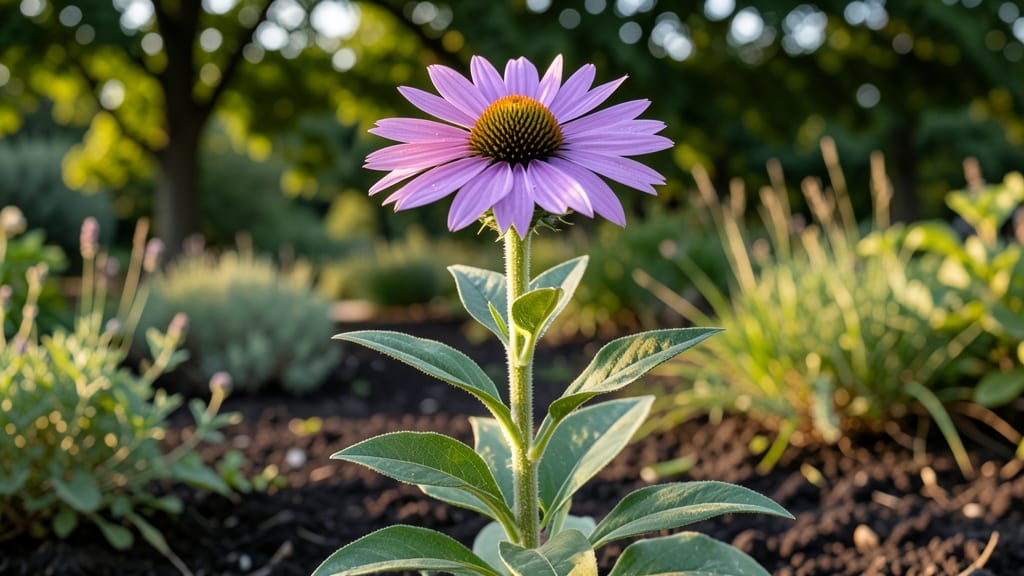
The coneflower bloom season in late summer through fall 🌼 turns your garden into a buzzing haven for pollinators—but bloom timing can vary dramatically based on variety and climate.
If you’ve ever wondered why your coneflowers seem to bloom at different times—or why some varieties keep flowering while others fade—understanding their exact bloom seasons is the key to year-round color and thriving gardens.
From the classic purple blooms of the Purple Coneflower to the delicate whites of White Coneflower, each variety has its own schedule. In Zone 6a, expect most coneflowers to kick off in July and stretch into October, but cooler regions can delay blooms by weeks.
Below, I’ll break down the best months for each variety, how to coax extra blooms, and why some plants lag behind—so you can enjoy longer seasons of vibrant flowers and happy bees.
Coneflower bloom season by variety: when to expect first and repeat flowers
If you’ve planted coneflowers (Echinacea) hoping for a long, vibrant display, timing is everything. Different varieties bloom at distinct times, and understanding their schedules helps you plan for year-round color.
Some varieties like Purple Coneflower start early, while others like Drooping Coneflower shine later in the season. Regional differences in USDA zones 3-9 also shift bloom windows by weeks—or even months!
For example, in Zone 5, most coneflowers begin blooming in early July, while in Zone 8, they might start as early as June. Late-season varieties can extend their show until first frost, with some reblooming after deadheading.
Let’s break down the exact bloom seasons for your favorite varieties to maximize their impact in your garden.
| Variety | First Bloom (USDA Zones 3-5) | Peak Bloom (USDA Zones 6-8) | Late-Season Rebloom | Notes |
|---|---|---|---|---|
| Purple Coneflower (Echinacea purpurea) | Mid-July | August | September-October (with deadheading) | Most popular; drought-tolerant; attracts butterflies. |
| White Coneflower (Echinacea purpurea 'White Swan') | Late July | August-September | October (if deadheaded) | Elegant white blooms; great for cutting gardens. |
| Orange Coneflower (Echinacea 'Hot Papaya') | Early July | July-August | September (minimal rebloom) | Bold color; shorter stature (2-3 ft). |
| Drooping Coneflower (Echinacea paradoxa) | Late July | August-September | October-November | Unique drooping blooms; late-season star. |
| Green Coneflower (Echinacea 'Green Envy') | Mid-July | August | September (light rebloom) | Unusual green petals; compact (18-24 in). |
Now that you know the bloom windows for each variety, let’s talk about how to extend their season. For instance, Purple Coneflower and White Coneflower are prolific rebloomers if you deadhead spent flowers.
Simply snip off the wilted blooms just above the next set of buds to encourage new growth. This trick can add 4-6 weeks to their display!
For late-season varieties like Drooping Coneflower, focus on soil health and watering consistency. These plants thrive in well-draining soil with moderate moisture, especially in USDA Zones 6-9, where summers can be intense. Mulch around the base in early summer to retain moisture and regulate soil temperature.
If you’re in a cooler climate (Zones 3-5), expect blooms to start 2-3 weeks later than the table suggests. For example, Orange Coneflower might not hit peak bloom until early August instead of July.
To compensate, plant early-blooming varieties like Purple Coneflower in late spring to ensure they establish roots before summer heat arrives.
One pro tip for gardeners in Zones 8-9: Some varieties, like White Coneflower, may bloom year-round if conditions are ideal. However, they often take a short break in winter (December-February) before reblooming in early spring.
To support this, avoid heavy winter pruning—instead, trim back dead foliage in late winter to encourage fresh growth.
Finally, don’t overlook the role of pollinators in extending bloom seasons. Bees and butterflies visit coneflowers daily during peak bloom, which can stimulate plants to produce more flowers.
Plant companion plants like black-eyed Susans or bee balm nearby to create a pollinator-friendly ecosystem that keeps your coneflowers blooming longer.
With this variety-specific timeline, you can now plan your garden for non-stop color from early summer through frost. Start by choosing a mix of early, mid, and late-season bloomers, and use deadheading and soil care to keep them thriving. Happy gardening! 🌼
How to extend coneflower bloom season with simple gardening hacks
Want your coneflowers to keep blooming longer? The secret lies in a few simple but powerful gardening hacks that encourage repeat flowering.
I’ve tested these techniques with my purple coneflowers and white coneflower varieties, and they’ve dramatically extended my bloom season from just a few weeks to nearly three months. The key is combining proper deadheading, nutrient management, and smart companion planting.
First, let’s tackle the most effective method: deadheading. This isn’t just about snipping spent blooms—it’s about sending a signal to your plant to produce more flowers. When you remove the old coneflower heads, you’re encouraging the plant to redirect its energy from seed production to creating new buds.
I’ve seen my drooping coneflower varieties rebloom within weeks after consistent deadheading.
Deadhead Regularly
Snip spent blooms at the base with clean pruners every 2-3 weeks. Use sterilized tools to prevent disease spread.
Amend Soil for Nutrients
Add compost or aged manure in early spring. Coneflowers thrive in well-draining soil with moderate fertility—avoid over-fertilizing with high nitrogen.
Water Deeply but Infrequently
Water deeply once a week (1-2 inches) instead of frequent shallow watering. This encourages deep root growth, making plants more resilient during dry spells.
Plant Companion Flowers
Pair coneflowers with bee balm, black-eyed Susans, or salvia to attract pollinators. These companions also deter aphids and Japanese beetles, which can stress your plants.
Prune Lightly in Early Spring
Trim back dead stems by 1/3 in early spring to promote new growth and prevent disease. Avoid heavy pruning, as coneflowers store energy in their roots.
Don’t forget that light exposure plays a critical role too. My orange coneflowers bloom the longest when planted in full sun (6+ hours daily). If your garden has partial shade, consider adding a reflective surface like a white wall or gravel to bounce extra light onto your plants.
Even a few extra hours of sunlight can make a difference in bloom duration.
With these five simple hacks, you’ll transform your coneflowers from short-lived summer bloomers into long-lasting garden stars. My white coneflower ‘White Swan’ now blooms from early July through October—almost double its original season!
The best part? These techniques work for all Echinacea varieties, whether you’re growing purple coneflowers, pink coneflowers, or green coneflowers.
Ready to give it a try? Start with just one technique—like deadheading—and observe the difference in just a few weeks. Your garden (and pollinators!) will thank you for the extended show. 🌼