
Blooming
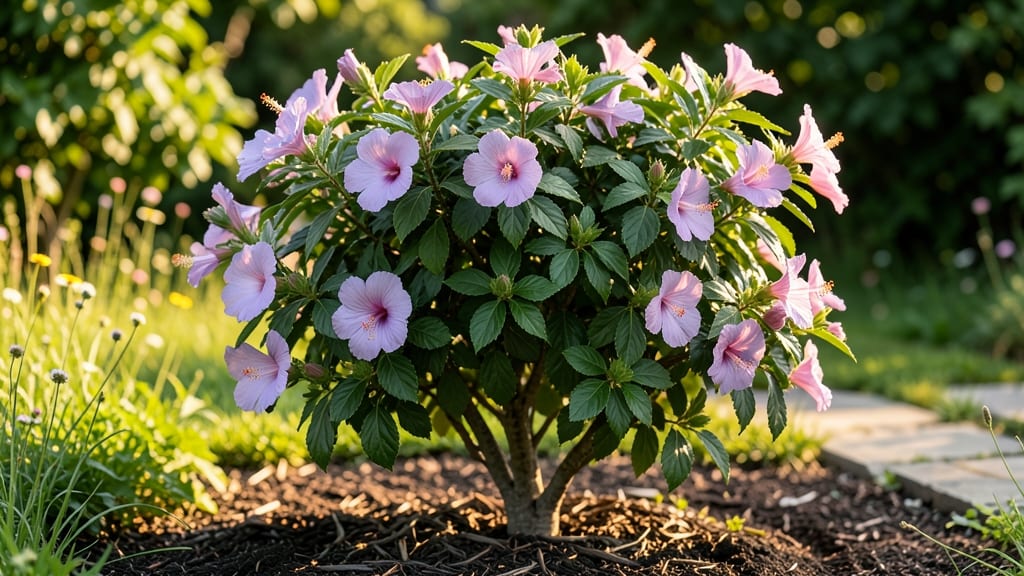
The Rose of Sharon bloom season hinges on heat, not just timing — and if you’ve ever watched your 🌸 shrub throw out a flash of color only to fizzle out by late summer, you’re not alone.
This hardy beauty isn’t just picky about sunshine; it’s triggered by temperature, blooming fiercely when days hit 60–95°F but struggling when heat wanes or frost sneaks in too early.
Below, I’ll break down the exact stages of its heat-dependent cycle, how to coax longer blooms, and the one pruning mistake that kills reblooming before it starts.
Whether you’re in Zone 6a or a hotter climate, these tricks will help your Rose of Sharon put on a show from late summer through fall — or even bounce back after a surprise frost.
How heat triggers Rose of Sharon bloom season: stages & temperature thresholds
The Rose of Sharon (Hibiscus syriacus) is a heat-loving shrub that blooms in response to specific temperature cues. Unlike many plants, it relies on warmth to trigger flower buds, making summer heat its natural ally.
Understanding these temperature thresholds helps explain why blooms appear when they do—and why they might vanish unexpectedly.
This shrub’s bloom cycle begins when daytime temperatures consistently reach 60°F or higher. Once activated, the plant enters a 6-8 week flowering window, typically peaking in late summer to early fall.
However, late-season heat waves can disrupt this cycle, causing buds to drop prematurely if temperatures exceed 95°F.
| Stage | Temperature Range (°F) | Bloom Trigger | Notes |
|---|---|---|---|
| Bud Formation | 55–65°F | Daytime warmth | Requires consistent warmth after dormancy |
| Peak Blooming | 70–85°F | Ideal heat range | Longest bloom duration occurs here |
| Late-Season Stress | 90–95°F+ | Heat shock | Bud drop occurs if heat persists |
| Dormancy | Below 50°F | Cold trigger | Prepares for winter; blooms halt |
The bud formation stage begins when your Rose of Sharon emerges from dormancy in spring. This occurs when soil temperatures reach 55°F or warmer, signaling the plant to produce flower buds. However, these buds won’t open until daytime temperatures consistently hit 60°F or higher for at least 3–5 days.
Once buds form, they require moderate heat (70–85°F) to fully bloom. This is why late spring plantings often yield fewer flowers—the shrub may not receive enough early-season warmth to trigger bud development. In USDA Zones 6–9, peak blooming typically occurs between July and September.
If temperatures exceed 95°F during blooming, your Rose of Sharon may experience heat stress. This causes buds to drop before opening, leaving you with a sparse display. To mitigate this, provide afternoon shade during extreme heat waves, especially in southern climates where summer temperatures often surpass 100°F.
Interestingly, late-season heat waves can sometimes trigger a second flush of blooms if the plant hasn’t entered dormancy. This happens when daytime highs remain above 75°F after the first frost. Varieties like ‘Avalanche’ are particularly responsive to this, often reblooming in fall or early winter in mild climates.
In cooler climates (USDA Zones 5–6), the Rose of Sharon may struggle to bloom at all if spring temperatures linger below 60°F for too long. To encourage blooming, plant in a south-facing location and use black plastic mulch to warm the soil.
This simple trick can raise soil temperatures by 5–10°F, speeding up bud formation.
Understanding these temperature thresholds helps you predict bloom times and adjust care accordingly. For example, if your region experiences an early frost, prune back spent blooms in late summer to redirect energy toward next year’s buds.
This ensures your Rose of Sharon remains healthy and ready to respond to spring warmth.
For gardeners in hotter climates, the key is balancing heat exposure. While your shrub thrives in full sun, providing light afternoon shade during peak summer can prevent bud drop. This approach maintains blooms while protecting the plant from heat stress.
🌸
Frost recovery tricks: saving your Rose of Sharon after cold snaps
When frost hits your Rose of Sharon, don’t panic—this hardy shrub often recovers beautifully with the right care. Early frosts in spring or late frosts in fall can damage buds and leaves, but the plant’s roots usually survive.
My secret? Act fast with targeted recovery steps to ensure next year’s bloom season isn’t sacrificed.
The key to recovery lies in balancing pruning, mulching, and fertilization. Over-pruning after frost is a common mistake that delays blooming, while proper mulching can protect roots from further temperature swings.
Let’s break down the steps to revive your shrub and set it up for a stunning comeback.
Late frosts (after buds form) can devastate your shrub’s blooms. If frost hits after April 15 in most zones, buds may already be set—prune carefully to avoid cutting off next season’s flowers. Early frosts (before buds swell) are less damaging, but always inspect stems for brown or mushy tissue before pruning.
Start by assessing the damage. Dead branches will appear brown, brittle, or mushy at the base. Use clean, sharp pruners to remove these immediately—never leave damaged wood, as it invites disease.
For partially damaged branches, cut back to the first healthy bud or growth node. This encourages new growth and redirects energy to recovery.
Mulching is your next defense. Apply a 3-inch layer of organic mulch (like shredded bark or straw) around the base of the plant, but keep it 6 inches away from the trunk to prevent rot.
This insulates roots from temperature fluctuations and retains moisture. Water deeply after mulching to help the soil absorb and lock in warmth.
Wait 4-6 weeks before fertilizing—this gives your Rose of Sharon time to recover. Once new growth appears, apply a balanced fertilizer (10-10-10) in early spring to support reblooming. Avoid high-nitrogen fertilizers, which promote leafy growth at the expense of flowers. Instead, focus on phosphorus and potassium to encourage robust blooms.
Adjust your watering routine based on the season. After frost, water deeply but less frequently to avoid soggy soil. In spring, aim for 1 inch of water per week, while in summer, increase to 1.5 inches to combat heat stress.
Always water in the morning to reduce fungal risks and let foliage dry quickly.
Monitor your shrub closely for signs of recovery, like fresh green leaves or new buds. If you notice yellowing leaves or stunted growth, it may signal nutrient deficiencies or stress. In this case, a light application of compost or fish emulsion can provide a gentle boost without overwhelming the plant.
With patience and care, your Rose of Sharon will bounce back stronger than ever, ready to dazzle with its late-summer blooms.