
Blooming
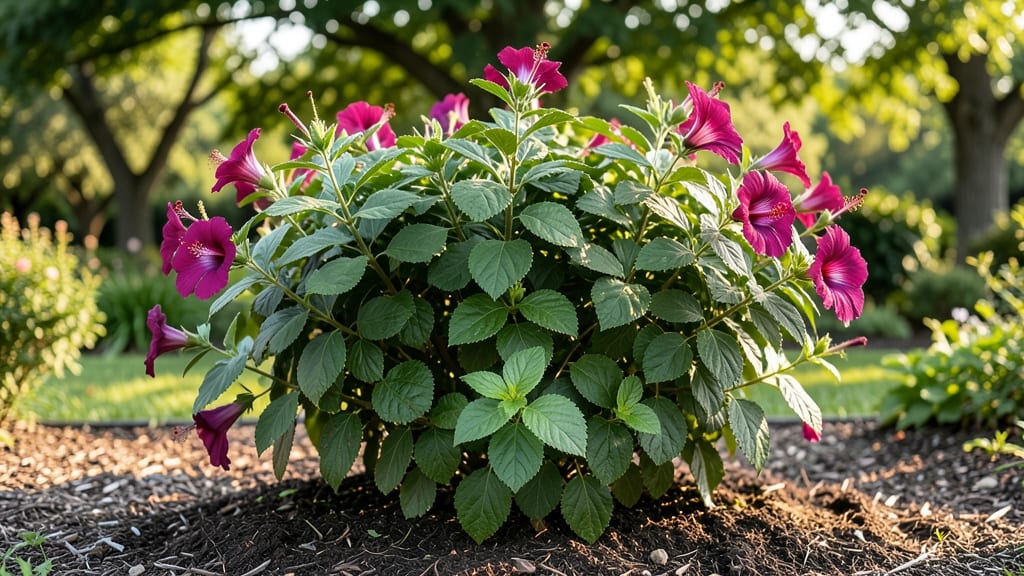
The Rose of Sharon bloom time depends entirely on your climate zone, but in Zone 6a, expect fragrant spikes of color to arrive by late June or early July 🌸.
If you’ve ever wondered why your Rose of Sharon’s blooms arrive late—or never appear at all—your climate zone might be the culprit. This hardy shrub thrives in the right conditions, but timing its spectacular spikes of color depends on precise environmental cues.
From Zone 5’s cooler springs to Zone 9’s extended summers, bloom windows shift dramatically. A 3-week difference separates early and late varieties, and pruning at the wrong time can delay flowers for an entire season.
Below, I’ll break down the exact months for your zone, how to nudge blooms earlier, and the 3 most common mistakes that keep your shrub bare—plus complementary plants to extend your garden’s seasonal show.
When does Rose of Sharon bloom? Exact months by USDA climate zones
The Rose of Sharon (Hibiscus syriacus) is famous for its late-summer to fall blooms, but exact timing varies dramatically by USDA climate zone. In colder zones, blooms appear after warm soil cues, while warmer regions may see extended flowering seasons.
Understanding these patterns helps you anticipate and encourage those stunning fragrant flower spikes every year.
This shrub typically needs 100-150 chill hours (below 45°F) to break dormancy, which explains why Zone 5 gardens see blooms 4-6 weeks later than Zone 9 gardens.
Even within zones, microclimates (like urban heat islands) can shift bloom dates by 2-3 weeks. Let’s break down what to expect where you live.
🌸 Key Insight: First blooms appear on old wood (last year’s growth), while second flushes come from new wood—meaning pruning timing matters! If you prune too late, you might miss the first show entirely.
| USDA Zone | First Bloom Window | Second Bloom Window | Key Temperature Trigger | Notes |
|---|---|---|---|---|
| Zone 5 | Late July – Early August | September – October | 50°F soil temps | Longest dormancy; may need winter mulch. |
| Zone 6 | Mid-July – Late July | August – September | 55°F soil temps | Early bloomers if spring is warm. |
| Zone 7 | Early July – Mid-July | Late August – Early October | 60°F soil temps | Longest bloom season; may rebloom into frost. |
| Zone 8 | Late June – Early July | August – November | 65°F soil temps | Heat-tolerant; may bloom year-round in mild winters. |
| Zone 9 | Mid-June – Late June | July – December | 70°F+ soil temps | Minimal dormancy; prune lightly to avoid overgrowth. |
| Zone 10 | May – June | June – January | Consistent warmth | No true dormancy; may bloom sporadically. |
In Zone 5, where winters are harsh, first blooms don’t appear until July or August because the plant needs time to recover from dormancy. A late spring frost can delay blooms by 2-3 weeks, so monitor your local frost dates and protect young shoots if needed.
By contrast, Zone 9 and 10 gardens often see blooms as early as May, with continuous flowering through fall. The heat tolerance of these zones means the plant doesn’t enter dormancy, leading to longer bloom cycles.
However, overwatering in summer can stress the plant and reduce flower production.
Did you know? Early bloomers like 'Diana' or 'Annabelle' varieties often flower 2-3 weeks earlier than 'Blue Bird' or 'Pink Giant'. If you’re in Zone 6 or 7 and want earlier color, choose these fast-flowering cultivars.
Temperature fluctuations also play a critical role. A sudden heatwave in Zone 7 can
How to trigger earlier Rose of Sharon blooms in your Zone
Your Rose of Sharon (Hibiscus syriacus) can bloom weeks earlier with the right adjustments—especially if you're in zones 5-7 where cold snaps delay growth. The key lies in pruning timing, soil preparation, and strategic watering to wake up dormant buds faster.
For zones 8-10, heat management becomes critical to prevent stress-induced dormancy.
Start by understanding that Rose of Sharon blooms on old wood, meaning last year's growth holds next season's buds. If you prune too late or too aggressively, you risk removing potential flowers. The secret to earlier blooms? Encourage robust growth early while protecting those flower buds from extreme conditions.
- Prune in late winter (zones 5-7): Cut back 1/3 of old wood by February 15 to stimulate early growth. Avoid heavy pruning after March 1—you'll trim next year's buds!
- Amend soil with compost: Mix in 2-3 inches of compost in early spring to boost nutrient uptake. Rose of Sharon thrives in slightly alkaline soil (pH 6.5-7.5).
- Deep-water weekly in spring: Soak the root zone to 12 inches deep every 7-10 days. Morning watering prevents fungal issues and reduces stress.
- Use shade cloth in zones 8-10: Provide 30% shade during peak summer heat (June-August) to prevent heat stress that delays blooming.
- Apply balanced fertilizer in March: Use 10-10-10 NPK at 1 tbsp per plant to fuel early growth without promoting excessive foliage.
For zones 5-7, winter care is non-negotiable. Mulch heavily (4-6 inches) with straw or shredded leaves after the ground freezes to insulate roots. Remove mulch in early March to let soil warm faster—this jumpstarts root activity and bud development.
In warmer zones (8-10), focus on heat management rather than cold protection. Drip irrigation during heatwaves keeps roots cool, while light afternoon shade prevents leaf scorch. Avoid overwatering—Rose of Sharon hates soggy roots, which can trigger fungal diseases like powdery mildew.
Pro tip: Pinch back new growth in late spring (after buds form) to redirect energy toward flowering. This 2-inch trim on tender shoots encourages bushier growth and more fragrant blooms by summer. Pair this with regular deadheading to extend the bloom season.
With these adjustments, you can shift Rose of Sharon blooms 2-4 weeks earlier—turning your garden into a fragrant showcase by late May instead of June. The key is consistency: prune early, feed right, and protect from extremes.