
Blooming
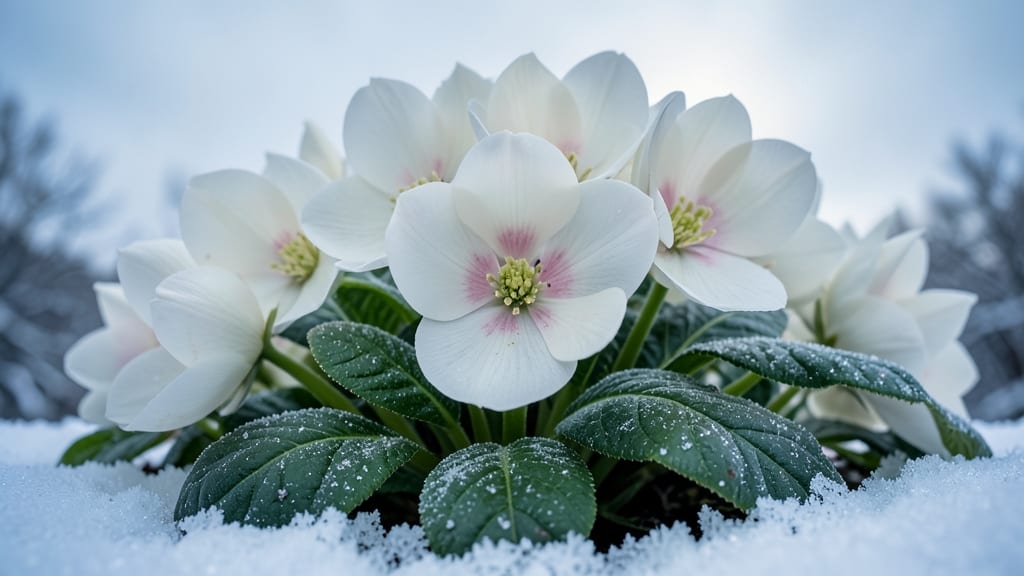
Winter gardens don’t have to be dull—these 10 cold-hardy plants thrive in frost, offering vibrant blooms and lush foliage when most plants sleep. Discover their unique growing habits and how to incorporate them into your landscape for year-round beauty.
Hellebore Winter Rose: Evergreen Perennial with Delicate Blooms
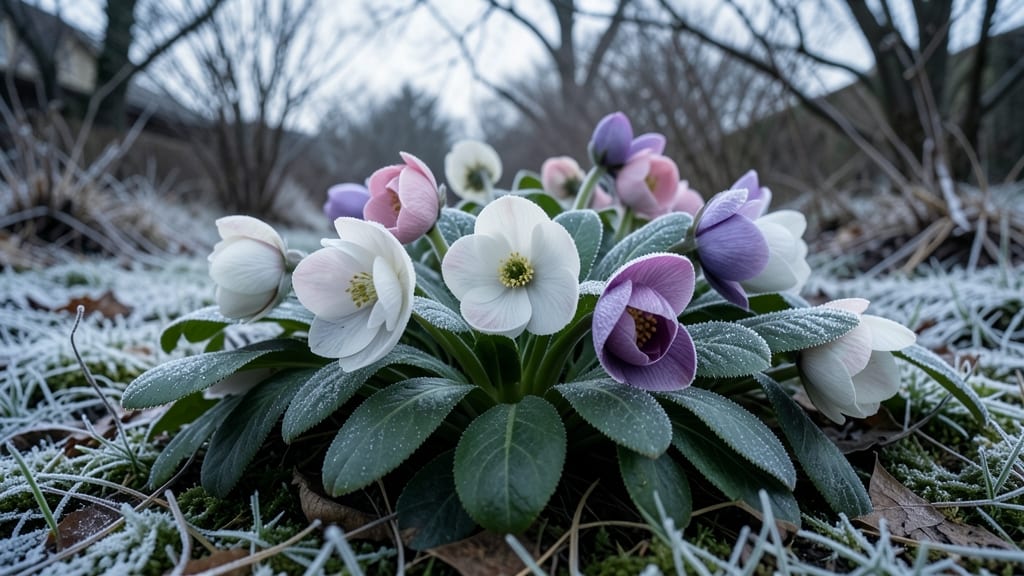
When most gardens lie dormant under winter’s chill, hellebores—also called winter roses—defy the cold with their elegant, nodding blooms in white, pink, or purple. These evergreen perennials are nature’s way of saying spring is coming, even when snow still blankets the ground.
Thriving in shade and poor soil, hellebores are perfect for woodland gardens, under trees, or along north-facing borders where few other plants survive. Their leathery, dark green foliage stays lush year-round, while flowers bloom from late winter into early spring, often lasting 6-8 weeks. Deadhead spent blooms to encourage more flowers, but otherwise, they’re nearly maintenance-free.
This low-maintenance beauty is ideal for beginner gardeners, urban spaces with limited sun, or areas with rocky, dry soil. Plant them in groups for a dramatic winter display that brightens even the gloomiest corners. 🌱
Winter Jasmine: Fragrant Yellow Flowers for Climbing Structures
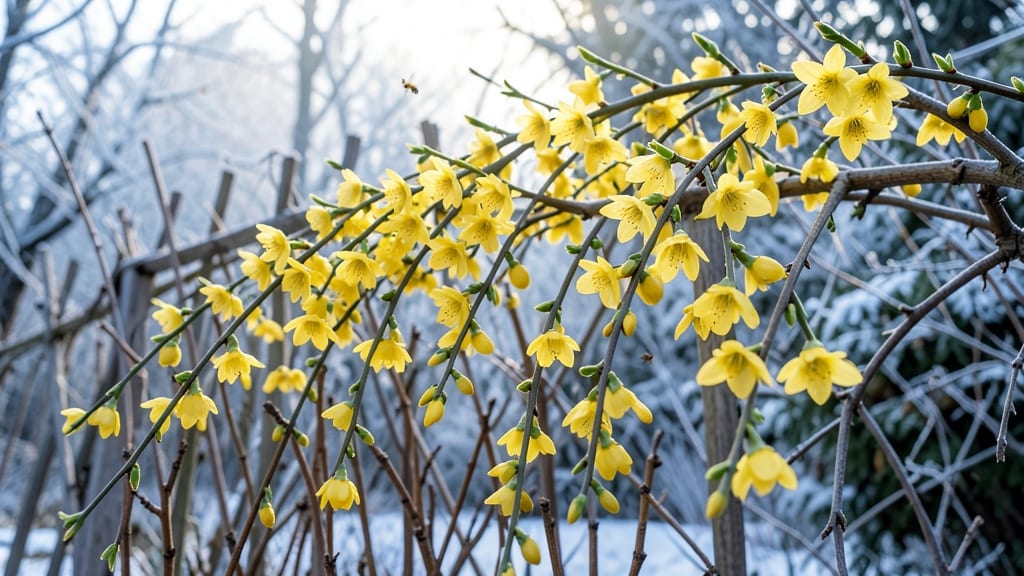
Looking for a fast-growing vine that defies winter dormancy with cheerful yellow blooms? Winter jasmine (Jasminum nudiflorum) is your answer—a fragrant climber that bursts into color when most gardens are still asleep. Its citrusy scent not only delights you but also lures early pollinators like bees and butterflies, giving your garden a head start on spring.
This hardy vine thrives in full sun to partial shade, making it versatile for trellises, fences, or even walls. Plant it in well-draining soil and prune lightly after flowering to encourage bushier growth. With its evergreen leaves, it provides year-round structure, while the late winter blooms (February–March) create a stunning vertical display.
Perfect for urban gardeners with limited space or those wanting to add vertical interest, winter jasmine is low-maintenance yet high-impact. 🌻
Snowdrops: Tiny White Blooms Signaling Spring’s Arrival
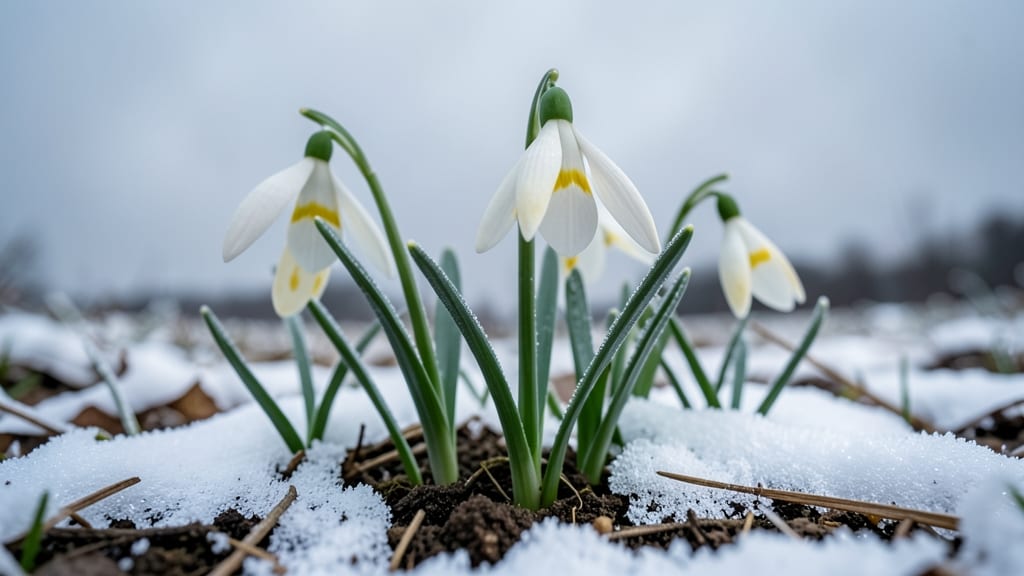
When winter’s grip feels strongest, snowdrops (Galanthus) defy the frost with their delicate, bell-shaped blooms—often the first sign that spring is on its way. These hardy bulbs thrive in USDA zones 3-9, pushing through snow to reveal their pristine white (or rare yellow) petals, making them nature’s tiny messengers of hope.
Plant them in woodland gardens, rockeries, or under deciduous trees where they’ll naturalize effortlessly over time. Snowdrops prefer partial to full shade and well-drained, slightly acidic soil—ideal for spots where other plants struggle. Their low-maintenance nature means minimal care: just avoid overwatering, and they’ll reward you with year-after-year blooms with almost no effort. 🌱
Cyclamen: Unique Upside-Down Flowers for Shady Spots
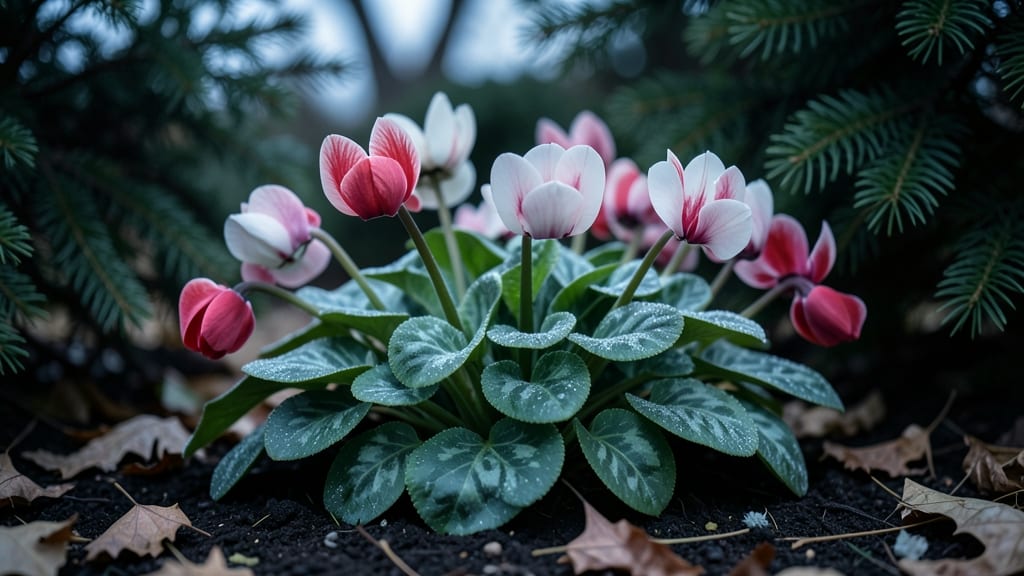
Looking for a winter bloomer that thrives in shade and adds a whimsical touch to your garden? Cyclamen delivers with its distinctive upside-down flowers in pink, white, or red—perfect for brightening dark corners or containers where sunlight is scarce.
This hardy perennial produces striking silver or dark green foliage with heart-shaped leaves, creating a stunning contrast against its delicate blooms. Plant it in well-draining soil under deciduous trees or in containers where it can enjoy morning sun and afternoon shade. Water from below to keep the foliage dry and prevent rot, as cyclamen is sensitive to excess moisture.
Ideal for urban gardeners or small spaces, cyclamen brings early winter color without demanding full sun. Its unique growth habit makes it a conversation starter in rock gardens or as a potted accent. 🌱
Winter Aconite: Golden Stars Brightening Dark Corners
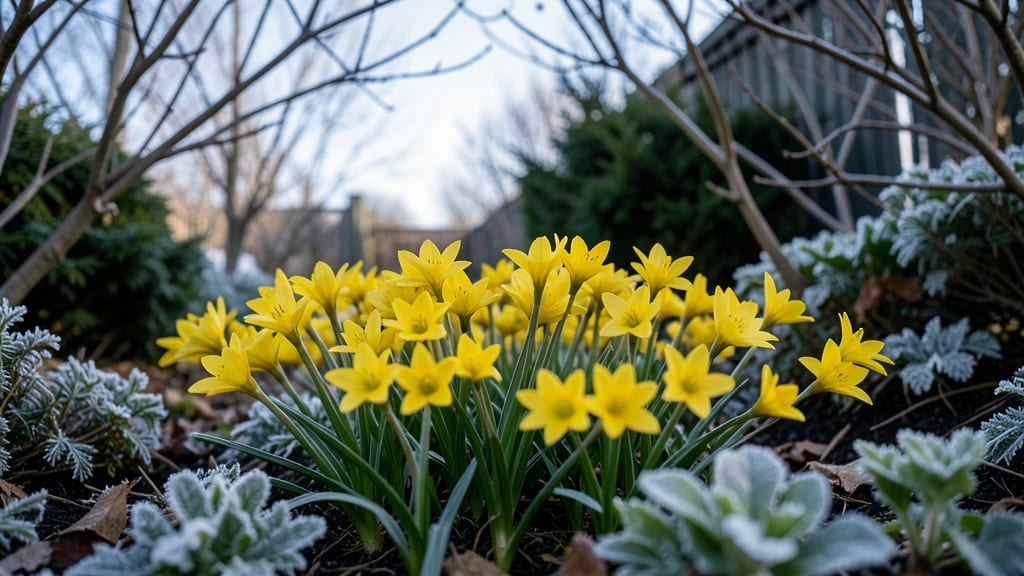
When your garden looks like a blank canvas in winter, winter aconite steps in with its sunshine-yellow star-shaped blooms, defying the gloom even in the darkest corners. This cold-hardy perennial thrives where most plants refuse to grow—under evergreens, along shady fences, or tucked into borders where light barely reaches.
Its bright flowers appear as early as late winter, often pushing through snow, and its low-growing habit (6–12 inches tall) makes it ideal for filling gaps or creating a cheerful ground cover. Plant it in well-draining soil and let it naturalize—it spreads gently over time, forming a dense, evergreen mat that stays attractive year-round. 🌟
Perfect for gardeners with shady spots or those seeking low-maintenance winter color, winter aconite is a hidden gem that turns forgotten areas into cheerful displays. 💚
Mahonia Aquifolium: Spiky Leaves with Blue Winter Berries
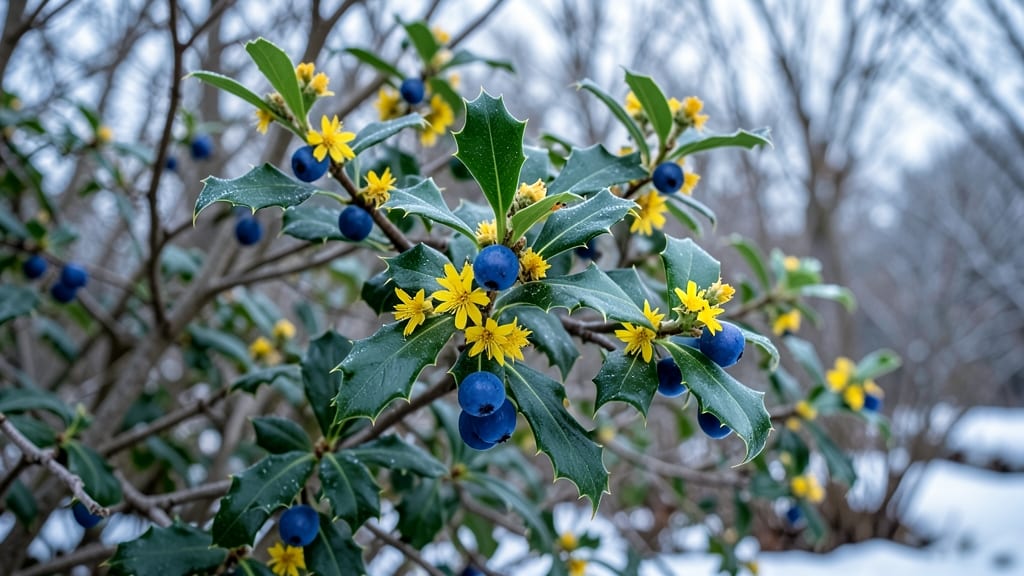
If you crave a year-round garden that thrives even when others sleep, Mahonia aquifolium delivers with its holly-like evergreen leaves and striking blue winter berries. This versatile shrub bridges seasons—bright yellow flowers bloom in late winter, followed by glossy blue berries that persist into spring, offering food for birds.
Thriving in partial shade (USDA zones 5-8), it tolerates dry soil and urban pollution, making it ideal for city gardens or understory plantings. Prune lightly after flowering to maintain shape, and watch for spider mites—a quick spray of water usually resolves the issue. The textured foliage adds architectural interest, while its winter berries provide a pop of color when most gardens fade.
Perfect for gardeners who want low-maintenance structure and wildlife support, this shrub is a standout for borders, hedges, or woodland edges. 🌟
Pansy Viola: Colorful Faces Cheering Up Winter Beds
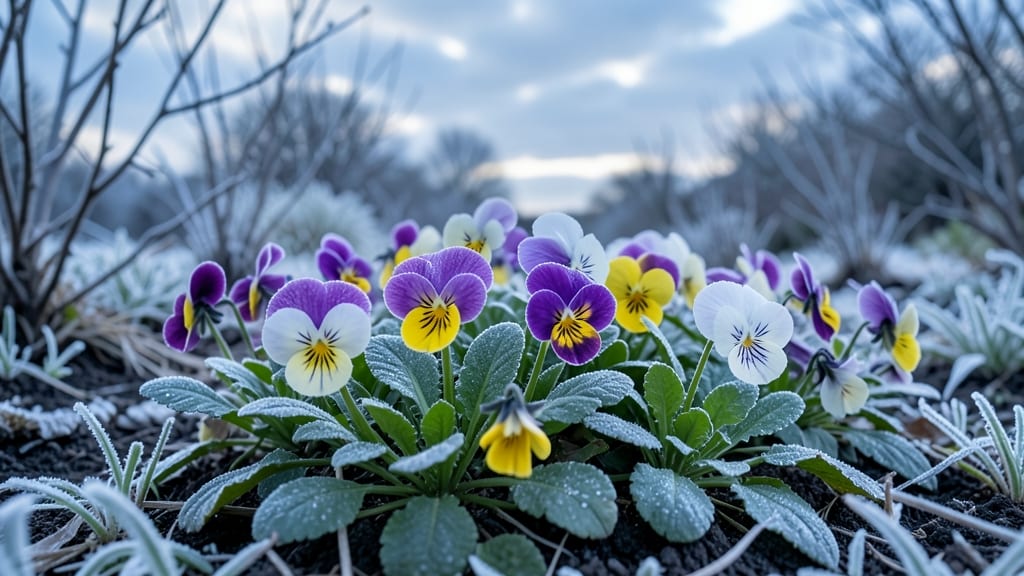
When winter’s chill makes your garden feel like a monochrome painting, pansy violas inject bold color with their cheerful, facial-patterned blooms in purple, yellow, or white. These cold-tolerant annuals thrive in temperatures as low as 20°F, making them perfect for brightening borders, containers, or even edging spring bulbs before they emerge.
Plant them in full sun to partial shade for continuous blooms from late fall through spring. Their early pollinator support benefits bees and butterflies, while their compact size (6-12 inches tall) fits neatly in tight spaces. For longest-lasting color, deadhead spent blooms and fertilize lightly every 4-6 weeks. They’re also disease-resistant, so you’ll spend less time fussing and more time admiring their vibrant faces.
Urban gardeners and small-space lovers will adore pansies—they’re ideal for window boxes, hanging baskets, or tucked between tulips and daffodils. Their versatile charm turns winter beds from dull to dazzling with minimal effort. 🌻
Daphne Odora: Fragrant Pink Clusters for Scented Winter Interest
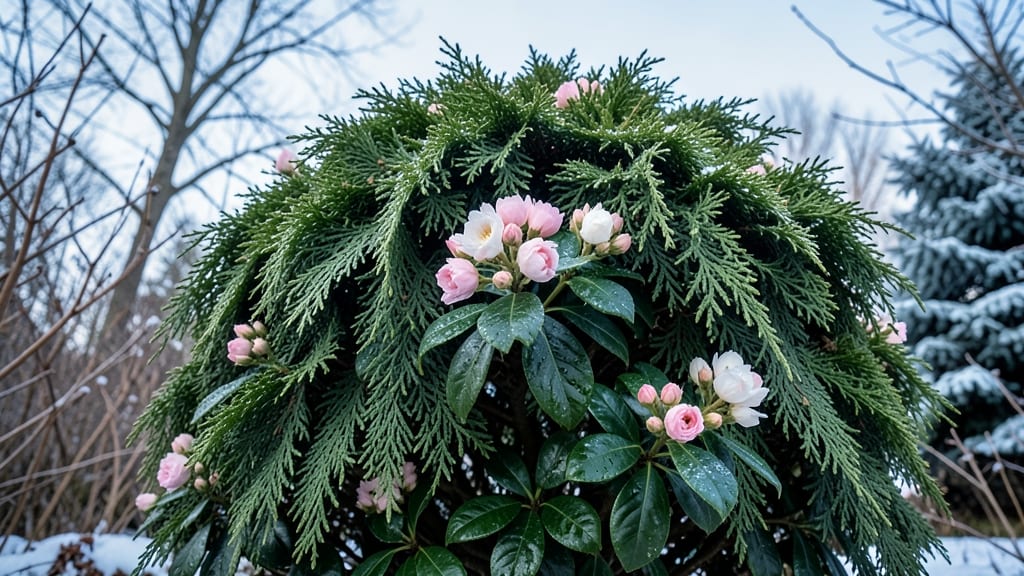
If you crave a winter garden that’s as fragrant as it is beautiful, Daphne odora is your secret weapon. This compact evergreen shrub bursts into clusters of intensely fragrant pink or white flowers in late winter—often when your garden feels most dormant. Its intoxicating scent, reminiscent of spicy orange blossoms, fills the air with a sweet aroma that’s perfect for patios, balconies, or cozy garden corners.
Thriving in partial shade to full sun, Daphne odora is ideal for small spaces, containers, or as a focal point near seating areas. Plant it in well-draining, slightly acidic soil and water moderately—avoid soggy roots to prevent root rot. Prune lightly after flowering to maintain its tidy shape, and enjoy its glossy, dark green leaves year-round. With proper care, it can live for decades, rewarding you with scented blooms for years to come.
Perfect for urban gardeners, small yards, or fragrant container gardens, Daphne odora brings a touch of luxury to winter landscapes. Its compact size and captivating scent make it a standout choice for those who love sensory gardens. 💚
Winter Honeysuckle: Climbing Vine with Star-Shaped Yellow Flowers
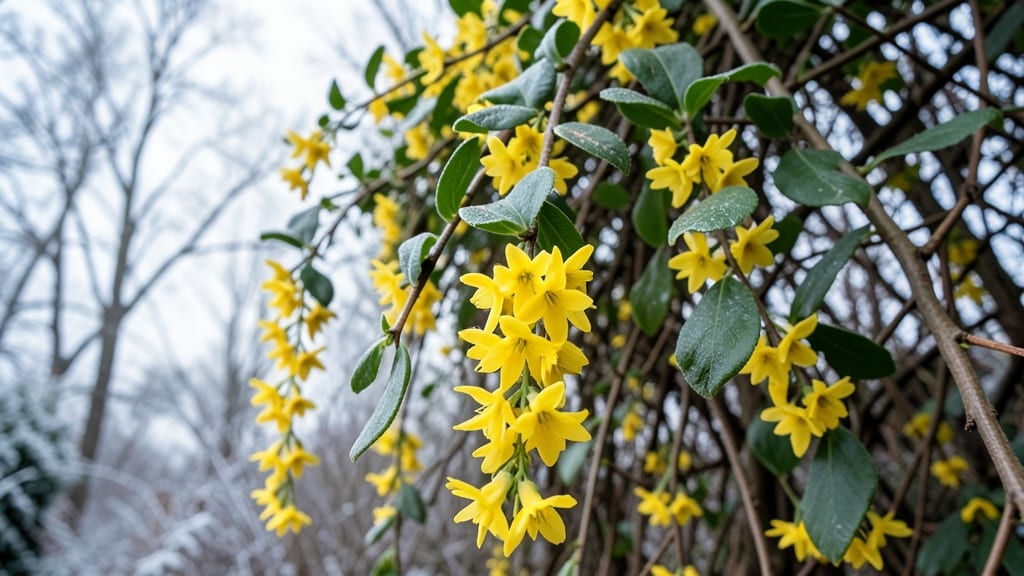
When you need a vertical splash of color in late winter, winter honeysuckle (Lonicera fragrantissima) delivers with its star-shaped yellow blooms that appear before most gardens wake up. This hardy, semi-evergreen vine thrives in USDA zones 4-8, making it perfect for colder climates where winter beauty is rare.
Train it up trellises, fences, or pergolas for a stunning vertical display, or let it cascade over walls for a soft, romantic effect. Unlike its summer-blooming cousins, this variety produces fragrant flowers in February–March, providing early nectar for bees and butterflies when food is scarce. It tolerates partial shade to full sun and even handles urban pollution, making it ideal for city gardens or small spaces.
Perfect for gardeners who want low-maintenance vertical interest, winter honeysuckle requires minimal pruning—just trim back leggy growth in early spring to encourage bushier blooms. Its fragrant, tubular flowers add a sensory delight to winter walks, while the glossy green leaves provide year-round structure. 🌿
Christmas Rose: Large White Blooms for Woodland Gardens

Imagine a winter wonderland where large, pristine white blooms push through snow like magical lanterns—this is the enchanting spectacle of the Christmas rose (Helleborus niger). Unlike other winter bloomers, its bold, cup-shaped flowers (often tinged with pink) appear in December and January, long before most gardens stir from dormancy, making it a true star of the season.
This shade-loving perennial thrives in moist, well-draining soil under trees or in woodland gardens, where its deep green, leathery foliage stays evergreen year-round. Unlike hellebores, Christmas roses prefer richer soil and benefit from a thick layer of mulch to protect roots from freezing. Plant them in clumps of 3-5 for a dramatic focal point, and avoid disturbing the roots—once established, they’ll reward you with decades of winter blooms with minimal care.
Perfect for naturalized woodland gardens, under conifers, or as a moonlit garden centerpiece, the Christmas rose brings drama where other plants falter. Its late-winter timing aligns perfectly with holiday cheer, making it a favorite for gardeners who crave frost-resistant elegance. ✨