
Blooming
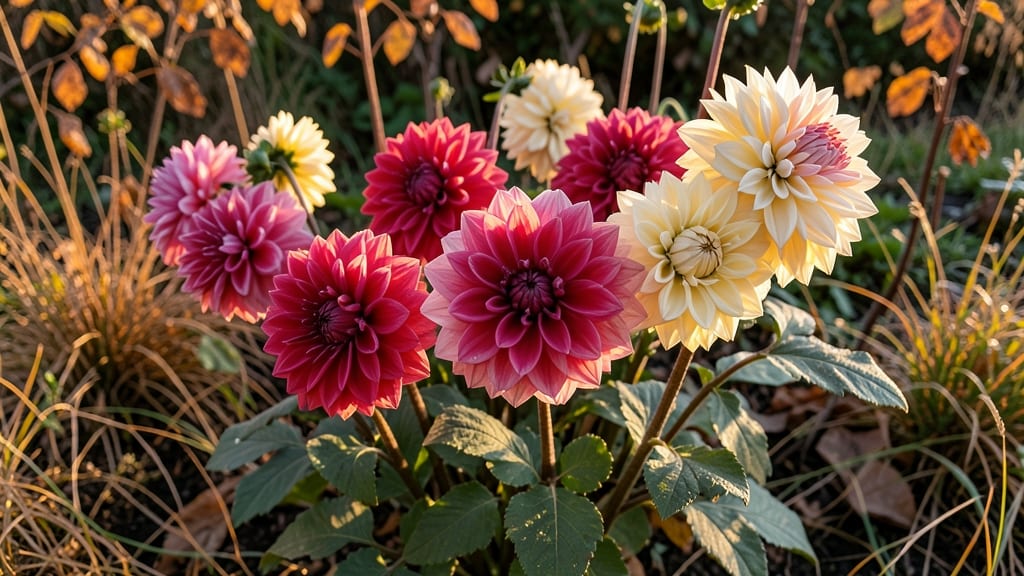
Extend your garden’s beauty into autumn with these 10 stunning plants that bloom in October. Their vibrant colors, intoxicating scents, and hardy nature make them perfect for late-season gardens, containers, and pollinator-friendly landscapes.
Japanese Anemone for Delicate Fall Blooms
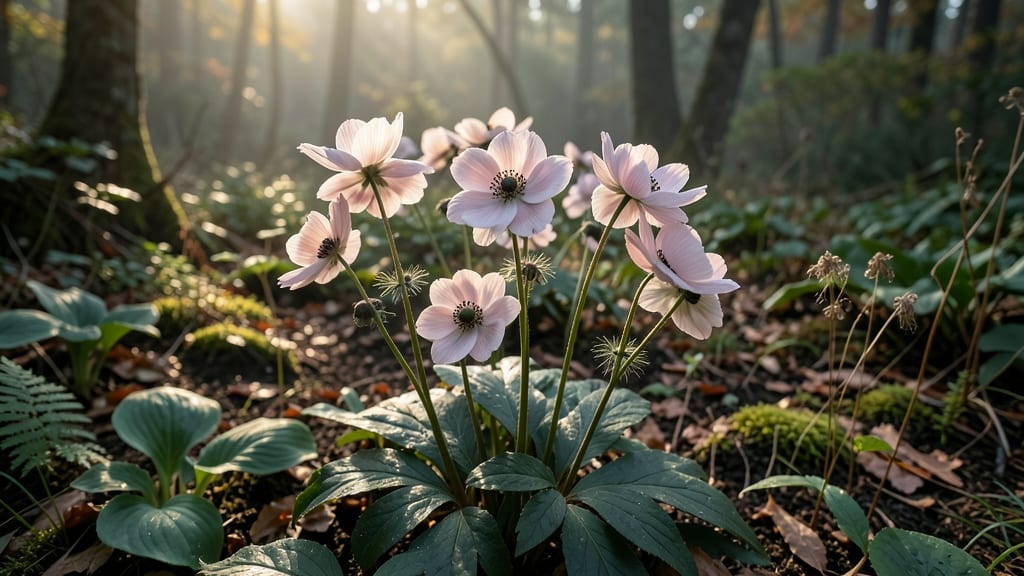
When your summer blooms start fading, Japanese anemone steps in like a graceful autumn guest, gracing your garden with soft pink flowers that dance in the breeze. This shade-loving perennial thrives where others struggle, making it a secret weapon for woodland gardens or shady borders that need late-season color.
Plant it in partial to full shade with well-draining soil, and you’ll reward yourself with blooms from late summer through October. Unlike many perennials, Japanese anemone requires minimal deadheading—just remove spent blooms occasionally to encourage more flowers. Its low-maintenance nature and elegant foliage make it perfect for gardeners who want beauty without the fuss.
This is the plant for those who love a touch of romance in their garden—ideal for beginners, urban gardeners with shady spots, or anyone craving a low-fuss perennial that keeps giving long after summer’s over. 🌷
Asters for Pollinator-Friendly Late Color
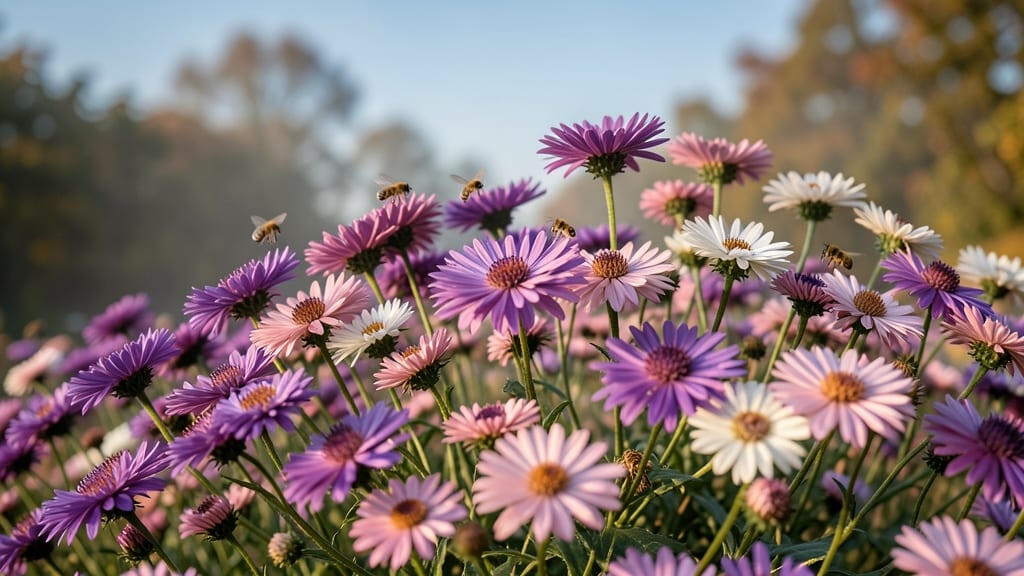
When late-season gardens start to fade, asters step in as the unsung heroes of October blooms. These hardy perennials thrive in cool weather, offering clusters of daisy-like flowers in shades of purple, pink, or white that attract bees and butterflies until the first frost. Their long stems also make them ideal for cutting arrangements that last indoors.
Plant asters in full sun to partial shade, where they’ll flourish in well-draining soil with minimal fuss. Varieties like ‘New England Aster’ or ‘Alpine Aster’ provide height and texture to cottage gardens, while ‘Purple Dome’ stays compact for containers. Deadhead spent blooms to encourage more flowers and prevent self-seeding if you prefer controlled growth.
Perfect for pollinator gardens, asters support local ecosystems while adding late-season color. Beginners will love their hardiness, while experienced gardeners can use them to extend the bloom season in mixed borders. 🌻
Chrysanthemums for Bold Autumn Statements
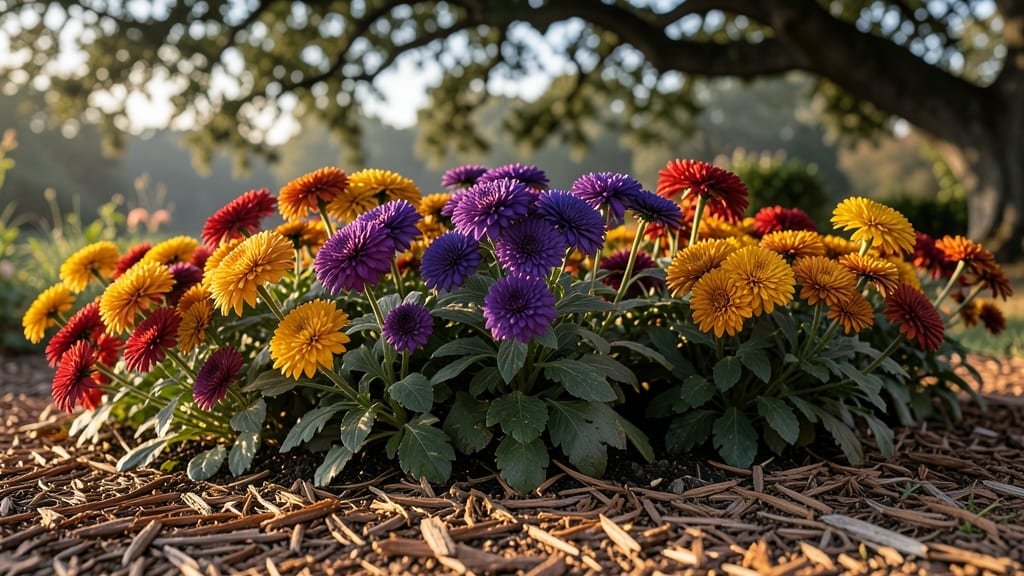
Want to turn your garden into a bold autumn statement without the fuss? Chrysanthemums are your secret weapon—these flowers come in every color imaginable (yes, even deep blues and fiery reds!) and thrive when most perennials call it quits.
Plant them in full sun to partial shade and deadhead spent blooms to encourage more flowers. They’re surprisingly adaptable: tuck them into containers for patios, line walkways with dwarf varieties, or bring cut stems indoors for year-round joy. Plus, their symbolism of longevity makes them a meaningful gift for gardeners who love plants that last.
Perfect for beginners or experienced gardeners, chrysanthemums bring drama to any space—whether you’re dressing up a border or adding a pop of color to a windowsill. 🌻
Goldenrod for Sunny Meadow Beauty
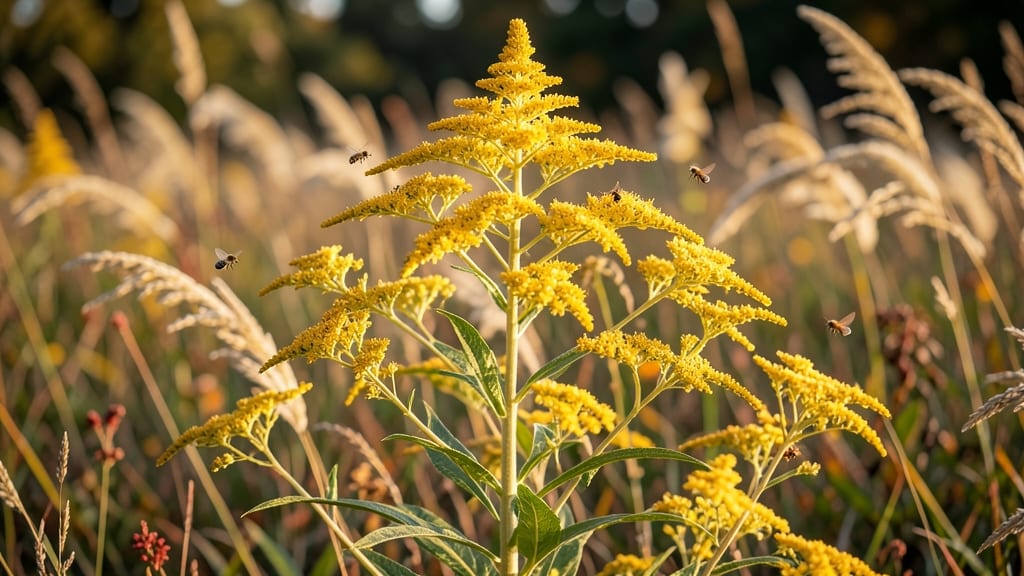
If you’ve ever dismissed goldenrod as an allergy culprit, think again—this native perennial is a late-season superstar that thrives in full sun and brings golden cheer to meadows and borders. Its feathery plumes bloom from August through October, offering a pollinator magnet when many gardens fade into dormancy.
Goldenrod’s secret weapon? It’s drought-tolerant once established and requires minimal care—just well-draining soil and occasional deadheading to prolong blooms. Plant it in masses for a wildflower meadow effect or tuck single stems into cottage gardens for a pop of color. Its bee-friendly nature makes it a must for eco-conscious gardeners.
Perfect for beginners or busy gardeners, goldenrod’s hardiness and effortless beauty make it a standout choice for extending your garden’s season. 🌻
Russian Sage for Fragrant Purple Spikes
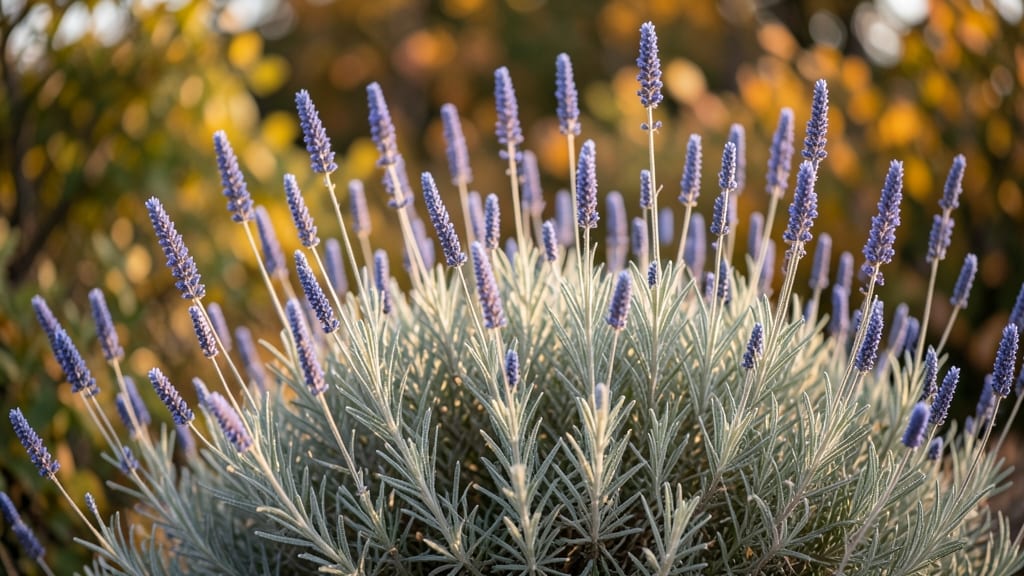
If you’re dreaming of a garden that thrives on minimal water and repels deer, Russian sage (Perovskia atriplicifolia) is your late-season hero. Its airy, lavender-blue flower spikes bloom from mid-summer through October, releasing a delicate, citrusy fragrance when brushed—perfect for adding sensory appeal to dry landscapes.
This drought-tolerant perennial thrives in full sun with well-drained soil, making it ideal for rocky beds or slopes where other plants struggle. Prune back in early spring to encourage bushier growth, and watch it rebound with vigor. Its silvery-green foliage provides year-round interest, while the deer-resistant nature means fewer battles with hungry wildlife.
Gardeners in arid climates or those seeking low-maintenance beauty will love how Russian sage pairs with ornamental grasses like feather reed grass or blue fescue. Plant it at the back of borders to create a fragrant, textured backdrop that lasts well into fall. 🌻
Calendula for Edible Fall Flowers
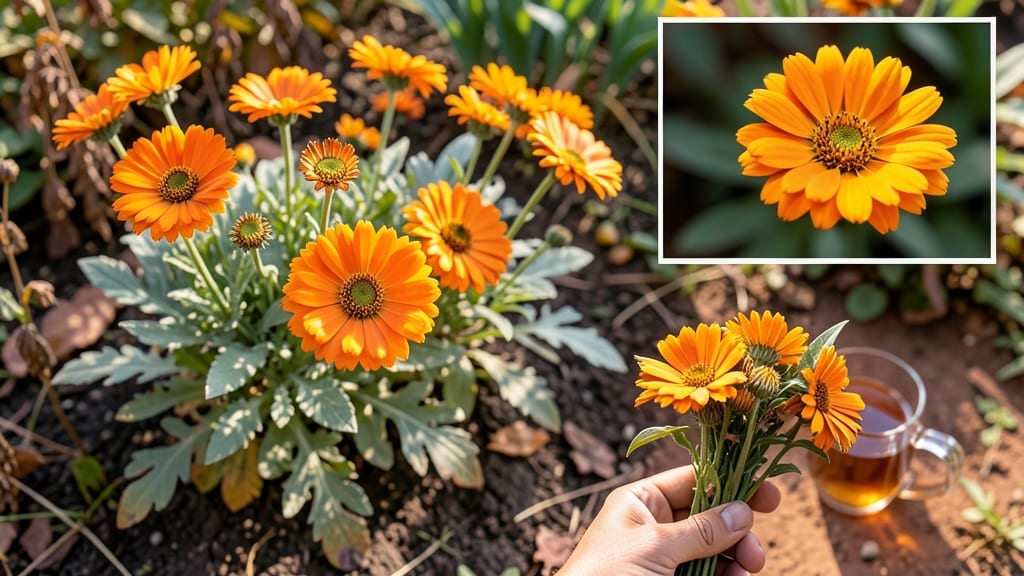
Looking for a plant that brings both beauty and edible charm to your fall garden? Calendula delivers with its vibrant orange petals that double as garnishes for salads or infusions for herbal teas. This cheerful annual thrives in cooler weather, making it a perfect late-season addition.
Sow seeds directly in well-draining soil or containers after the last frost, spacing them about 12 inches apart. Calendula flourishes in full sun to partial shade and requires minimal care—just consistent moisture and occasional deadheading to encourage more blooms. Its pest-repelling properties also make it a natural companion for nearby herbs and vegetables.
Urban gardeners and herb enthusiasts will love how calendula fits seamlessly into small spaces, while its edible flowers add a unique harvest to your kitchen. Try planting it alongside basil or thyme for a functional and colorful fall display. 🌻
Black-Eyed Susan for Cheerful Yellow Blooms
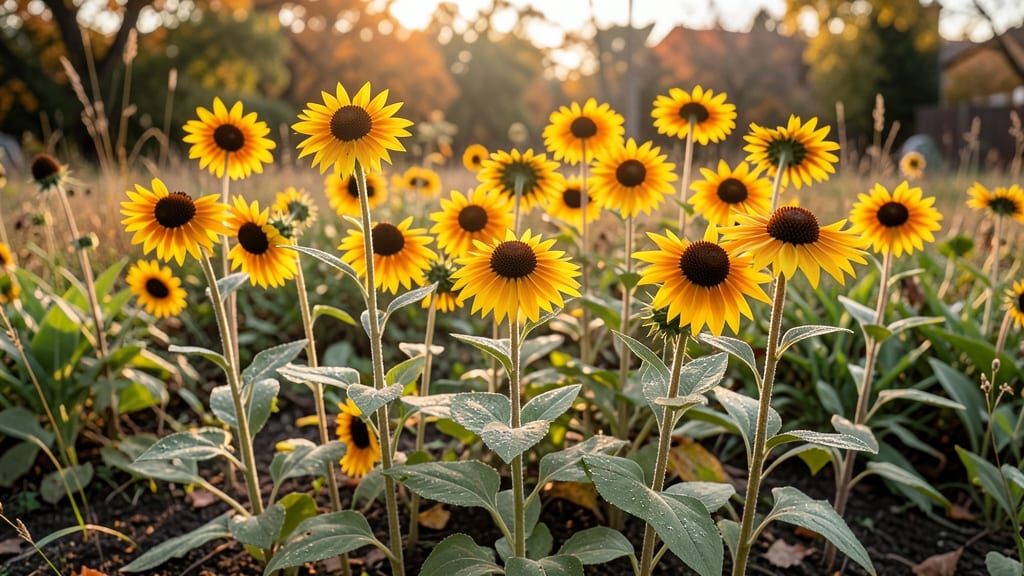
When your garden starts to fade in early fall, black-eyed Susans step in as the unsung hero with their bright golden-yellow blooms that thrive well into October. Unlike many perennials that peter out with cooler weather, these hardy plants burst with color just as other flowers begin to wilt.
Thriving in full sun to partial shade, black-eyed Susans are incredibly low-maintenance—drought-tolerant once established—and attract bees, butterflies, and birds for months. Their dark centers create striking contrast, making them perfect for wildflower meadows, cottage gardens, or even urban containers. Simply deadhead spent blooms to encourage more flowers until frost.
This versatile perennial is a must-have for beginners and pollinator gardens alike, offering effortless beauty with minimal care. 🌻
Sedum for Succulent Late-Season Color
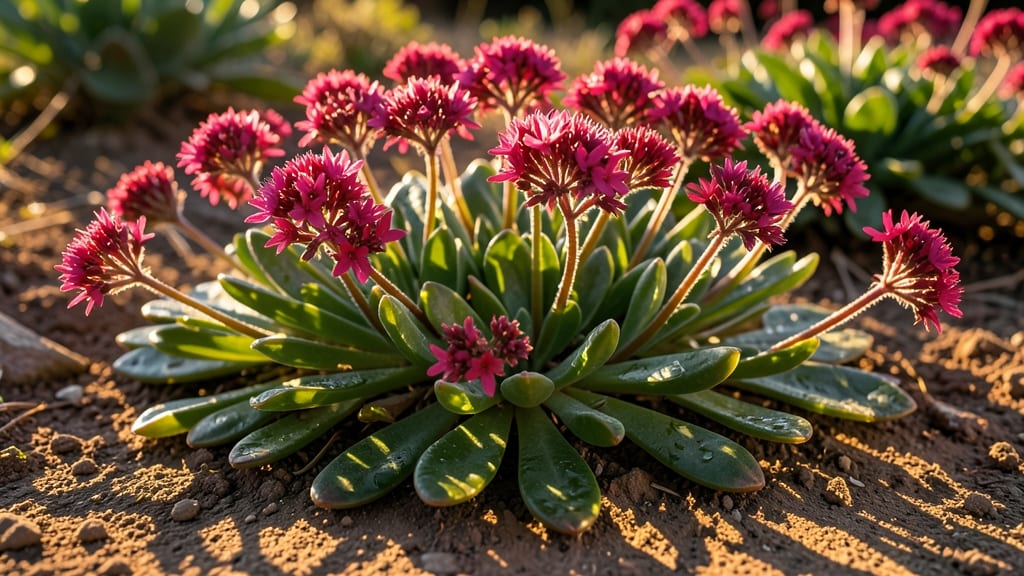
Skip the watering can this fall—sedum (or stonecrop) thrives on neglect while delivering vibrant pink or red blooms that last well into October. Its thick, succulent leaves store moisture, making it the ultimate choice for dry climates or forgetful gardeners.
Plant sedum in full sun for the best flower production, and it’ll reward you with clusters of star-shaped blooms that attract bees and butterflies. Use it as a ground cover to suppress weeds, tuck it into rock gardens for texture, or grow it in containers for a low-maintenance pop of color. Varieties like ‘Autumn Joy’ start pink and deepen to copper as fall progresses.
Perfect for beginners, urban balconies, or drought-prone areas, sedum proves that beauty doesn’t require babying. 🌻
Salvia for Fragrant Purple Spires
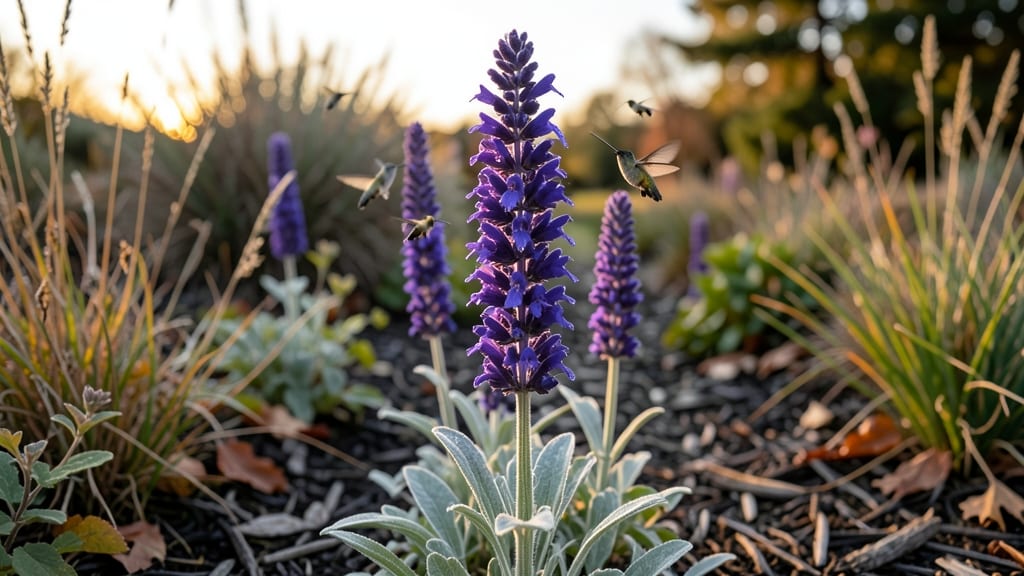
If you want to keep your garden buzzing with activity well into October, salvia is your secret weapon. Its towering fragrant purple spires not only add vertical drama but also serve as a late-season buffet for hummingbirds and bees—making it a pollinator magnet when many other flowers have faded.
For the longest blooms, choose varieties like ‘May Night’ salvia, which thrives in full sun to partial shade and produces deep violet flowers from midsummer straight through October. Prune back spent blooms in early spring to encourage bushier growth, and water deeply but infrequently—salvia is remarkably drought-tolerant once established.
This plant shines in cottage gardens, mixed borders, or even as a striking focal point in containers. Gardeners in USDA zones 5-9 will love how salvia brings both structure and scent to autumn landscapes without demanding much attention. 🌻
Dahlia for Dramatic Fall Displays

Skip the summer-only stigma—dahlias can steal the show in October with the right varieties. While many gardeners plant them for summer color, late-blooming types like 'Café au Lait' or 'Thomas Edison' keep producing bold blooms well into fall, often until frost.
These cutting garden superstars thrive in full sun and well-drained soil, with some varieties reaching 5-6 feet tall. To extend their season, deadhead spent blooms and fertilize lightly every 4-6 weeks. Dahlias also adapt beautifully to containers, making them ideal for patios or small spaces.
Perfect for florists, home gardeners, and container enthusiasts, dahlias bring dramatic color without the fuss of delicate autumn blooms. Their versatility in arrangements and hardiness in cooler weather makes them a must-try for fall displays. 🌻