
Blooming
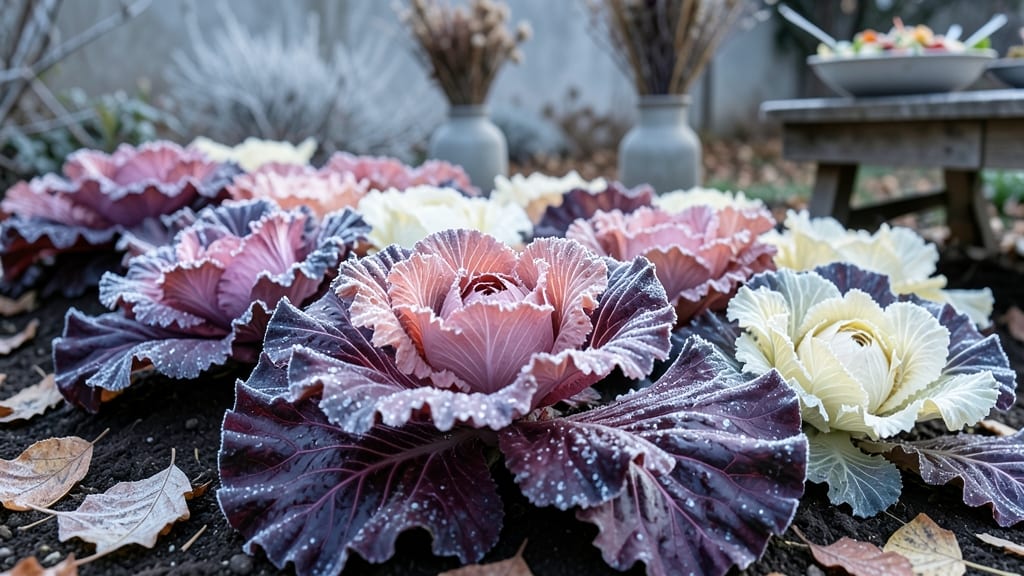
November gardens don’t have to fade into winter drabness—these 10 cold-hardy plants defy frost with vibrant blooms, extending your season’s beauty. Perfect for gardeners who refuse to let autumn’s end signal the death of color.
Chrysanthemums for November Frost Resistance
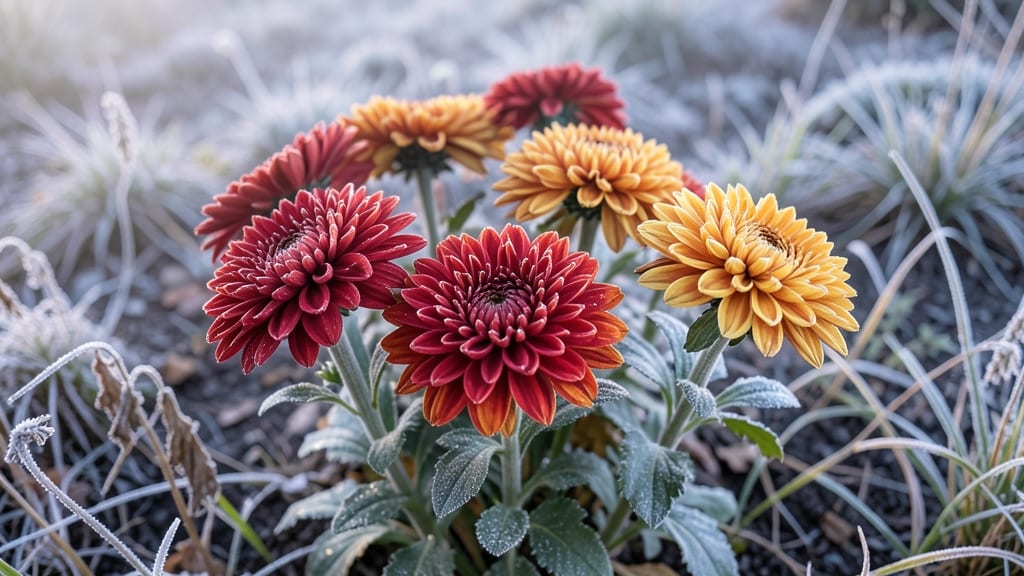
When the first frost paints your garden in silver, chrysanthemums step up as nature’s late-season superstars. These hardy perennials don’t just survive November’s chill—they thrive, bursting into bold blooms from deep reds to sunny golds when most gardens have gone quiet.
Varieties like 'Mammoth' (giant daisy-like flowers) and 'Daisy' (classic pom-pom shapes) handle temperatures down to 20°F, making them ideal for zones 5-9. Plant them in full sun to partial shade and water moderately—they’ll reward you with weeks of color with almost no fuss. For extra longevity, deadhead spent blooms to encourage more flowers right up until winter’s grip tightens.
These are the perfect low-maintenance choice for gardeners who want winter interest without the work. Plus, their long stems make them ideal for cutting—bring November’s beauty indoors! 🌻
Pansies Surviving Light Freezes
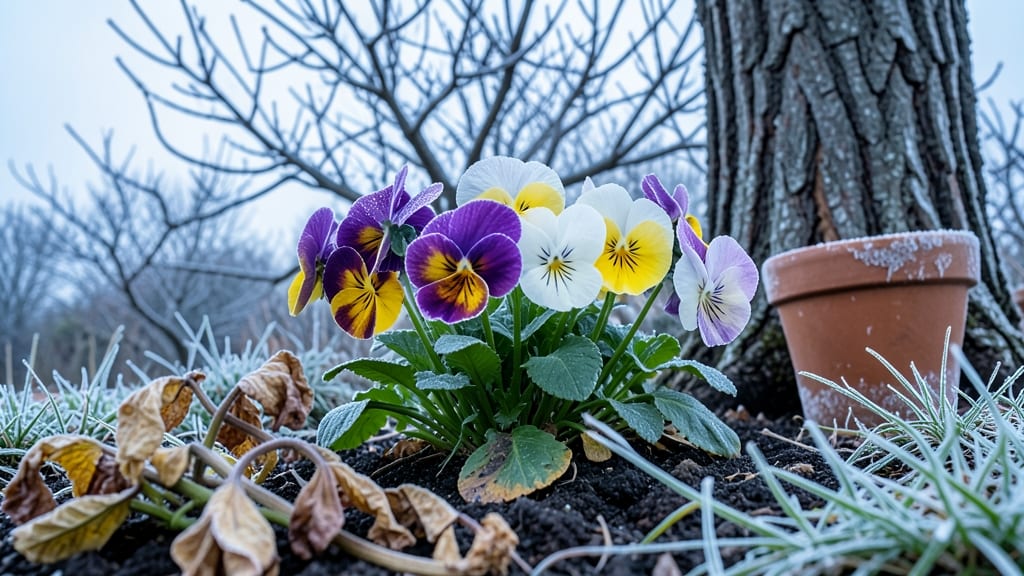
When the mercury dips into the 20°F range, most gardeners pack up their pots—except for pansies. These cheerful annuals don’t just survive light freezes; they bounce back with even brighter blooms in purple, yellow, and white, making them the unsung heroes of late autumn color.
Pansies thrive in USDA Zones 3-10 and can handle temperatures as low as 20°F, though they may look wilted temporarily. Plant them in well-draining soil or containers to prevent root rot, and choose cold-hardy varieties like 'Matrix' or 'Cool Wave' for extra resilience. Their edging-friendly size (6-12 inches tall) makes them perfect for borders, window boxes, or even tucked into raised beds.
Urban gardeners and small-space lovers rejoice—pansies are your November workhorse, offering instant color with minimal fuss. Just a light mulch of straw or leaves can protect them from deeper freezes, and they’ll reward you with blooms until the first hard frost. 🌻
Winter Jasmine Climbing Beauty
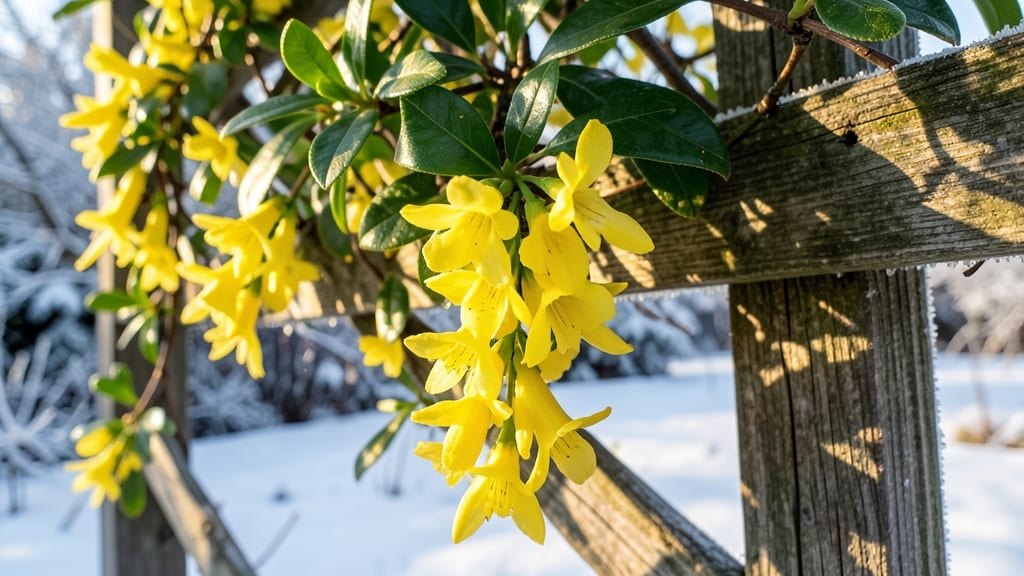
When you crave color and fragrance in the dead of winter, winter jasmine (Jasminum nudiflorum) delivers a cheerful surprise. This evergreen vine bursts into bright yellow blooms even when snow blankets the ground, making it a standout for sunny, sheltered spots like trellises or fences.
Plant it in well-drained soil and give it full sun to partial shade—it thrives in USDA zones 6-9 and handles temperatures down to -20°F. The fragrant flowers appear on bare stems in late winter, offering a striking contrast against dark branches. Prune after blooming to encourage bushier growth.
Ideal for gardeners who want low-maintenance winter interest, winter jasmine also attracts early pollinators. Pair it with evergreen shrubs for a year-round display. 🌻
Hellebores Thriving in Shade
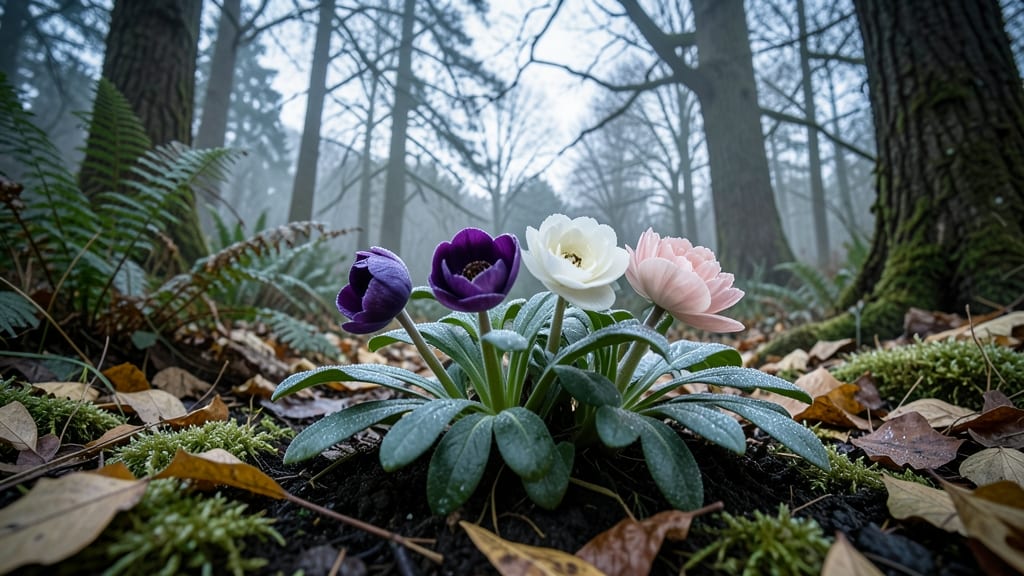
For gardeners with shady spots that seem impossible to brighten, hellebores—often called "Christmas roses"—are your secret weapon. These woodland perennials bloom in late fall and winter, offering delicate flowers in deep purple, white, or soft pink, even when other plants have long since faded.
Thriving in damp, shaded conditions, hellebores prefer partial to full shade and well-drained soil. Their evergreen foliage adds year-round interest, while their late-season blooms provide color when most gardens are dormant. Plant them under trees or in woodland gardens where they’ll flourish without competition.
Perfect for beginners or those with tricky shade spots, hellebores are nearly maintenance-free once established. Their unique, nodding flowers bring a touch of elegance to any garden corner. 💚
Sweet Alyssum Winter Fragrance
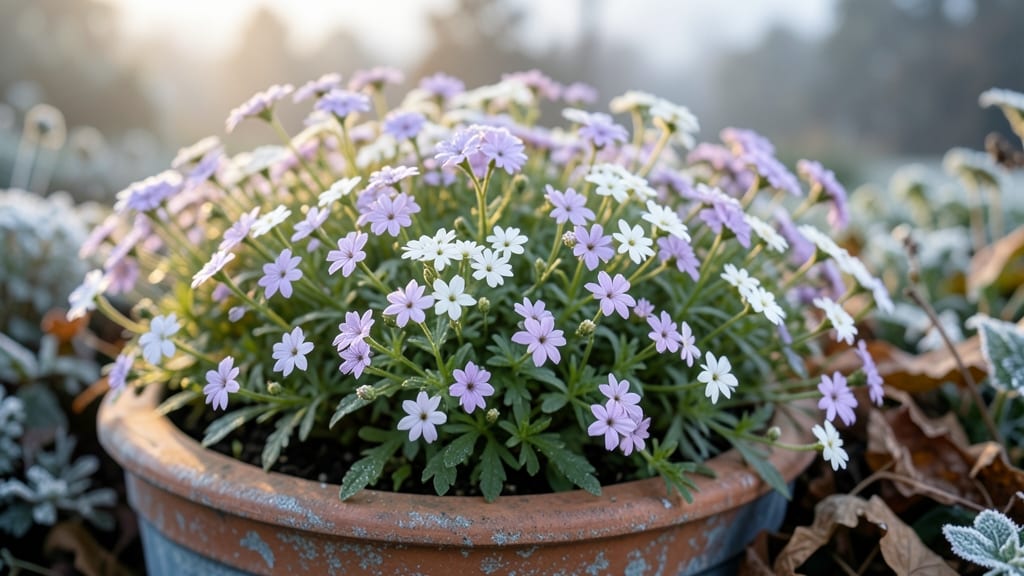
When your garden feels like it’s taking its last bow for the season, sweet alyssum quietly steals the spotlight with its honey-scented blooms that defy November’s chill. Unlike many plants that fade with the first frost, this tiny annual thrives in cooler weather, releasing its intoxicating fragrance even when temperatures dip below freezing.
Perfect for rock gardens, borders, or container displays, sweet alyssum’s delicate white or purple flowers create a pollinator magnet when few other blooms remain. Plant it in full sun to partial shade and keep the soil lightly moist—it’s drought-tolerant once established. For extra winter charm, mix it with chrysanthemums or pansies to extend your garden’s seasonal show. 🌱
Cyclamen for Indoor-Outdoor Transition
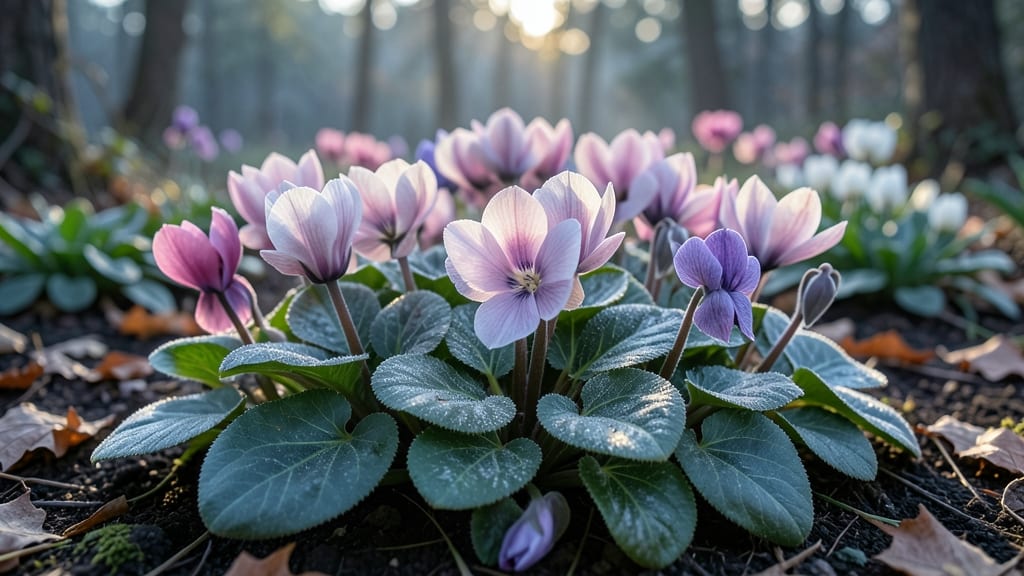
Transitioning your garden from summer to winter doesn’t mean sacrificing color—Cyclamen coum bridges the gap with its delicate, star-shaped blooms in pink, purple, or white. Unlike many late-season plants, this hardy cyclamen thrives in both woodland gardens and containers, making it perfect for gardeners who want flexibility without sacrificing beauty.
Plant Cyclamen coum in partial to full shade and well-draining soil, mimicking its native woodland habitat. It blooms from late fall through winter, often re-emerging year after year in mild climates (zones 5-9). For container gardening, choose pots with drainage holes and place them in sheltered spots to protect from harsh winds. Its low-maintenance nature and striking foliage make it a standout for both garden beds and indoor decor.
Ideal for gardeners who love year-round interest, cyclamen’s early blooms signal the transition from autumn to winter while adding a touch of elegance. Whether tucked into shady borders or displayed on a windowsill, it’s a versatile choice for late-season charm. 💚
Dwarf Iris Cold-Weather Blooms
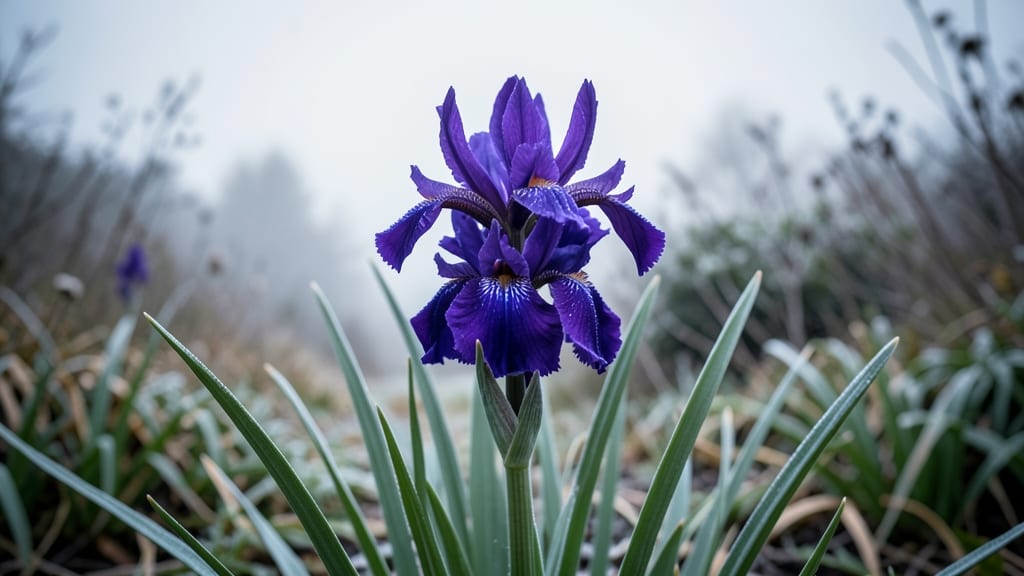
When you crave bold, structural color that refuses to surrender to November’s chill, look no further than dwarf iris varieties like Iris histrioides. These compact perennials produce striking sword-like blooms in deep violet-blue, standing tall even when temperatures dip—making them nature’s answer to late-season drama.
Thriving in USDA zones 4-9, these irises demand well-drained soil and full sun (at least 6 hours daily) to prevent rot and encourage robust growth. Their clumping habit (12-18 inches tall) makes them ideal for borders, rock gardens, or even container edges. Unlike their larger cousins, dwarf irises bloom earlier in the season—often in late fall—before most perennials have called it quits.
Perfect for gardeners who love low-maintenance structure, these irises also attract early pollinators like bees. Pair them with heather or sweet alyssum for a striking late-season contrast. Their year-round foliage adds texture even when blooms fade. 🌷
Heather Bushes for Pollinators
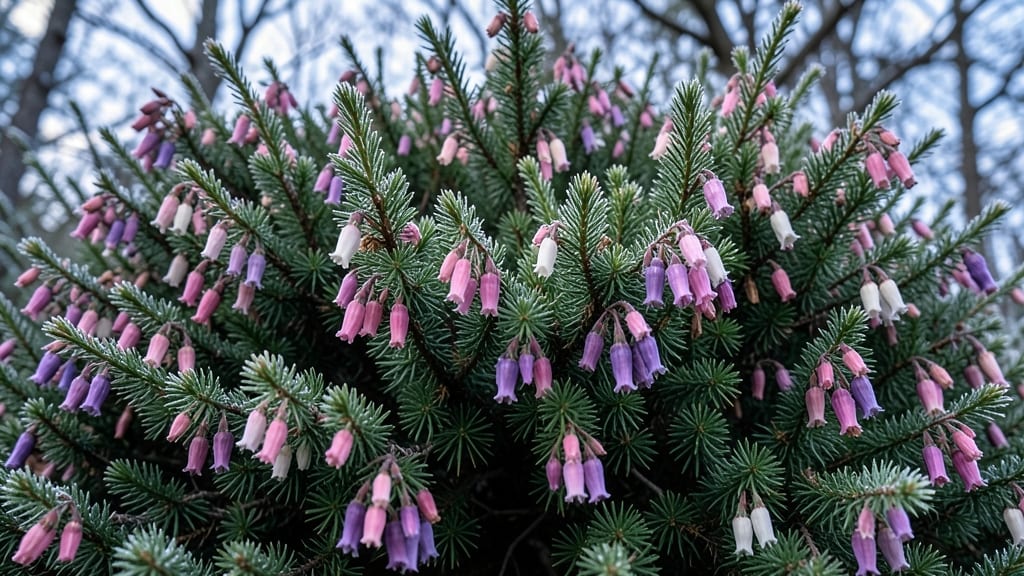
While other November bloomers focus on color, heather bushes bring something even more valuable: a lifeline for pollinators when food sources vanish. These evergreen shrubs produce clusters of bell-shaped flowers in pink, purple, or white that bees and butterflies can't resist, even in chilly weather.
Perfect for full sun locations, heather thrives in well-drained soil and handles temperatures down to 10°F, making it ideal for zones 4-8. Their compact growth (1-3 feet tall) suits hedges, slopes, or even container gardens on patios. Varieties like 'Sunset Glow' (pink) or 'Snowflake' (white) bloom from late summer through winter, providing continuous nectar when few other plants offer sustenance.
Pollinator gardeners and urban gardeners with limited space will love how heather transforms neglected areas into buzzing ecosystems. Just add a light mulch to protect roots in winter, and you'll have a year-round pollinator magnet that keeps your garden alive with activity. ✨
Snowdrops Defying Winter Chill
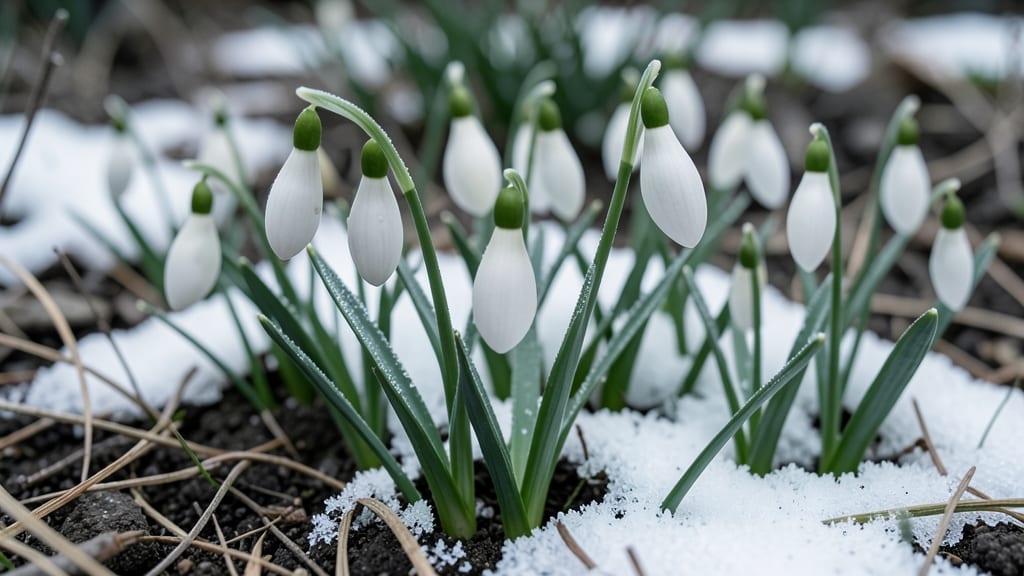
While other plants retreat into dormancy, snowdrops (Galanthus) emerge as nature’s first messengers of spring, pushing through snow with their delicate white, bell-shaped blooms. These hardy perennials thrive in USDA zones 3-9, making them one of the most resilient late-winter bloomers—often appearing as early as November in milder climates.
Plant them in dappled shade or under trees, where they’ll multiply over time, creating naturalizing drifts. Their toxic-to-deer foliage means you won’t need to worry about browsing, and they’re perfect for woodland gardens or as understory companions to shrubs like hellebores. A light mulch of leaves in winter protects their delicate roots while mimicking their natural woodland habitat.
For gardeners seeking symbolic beauty and low-maintenance elegance, snowdrops are a must—each flower represents hope and renewal, arriving just when winter feels longest. Their subtle charm transforms even the bleakest corners into pockets of magic. 🌱
Ornamental Kale for Edible Color

Skip the flowers this November—ornamental kale delivers the same stunning visual impact with the added bonus of being edible. These frost-sweetened leaves in purple, pink, or white varieties transform late-season beds into edible art, perfect for salads, garnishes, or winter floral arrangements.
Plant varieties like 'Lacinato Purple' or 'White Russian' in full sun to partial shade and well-drained soil. They thrive in USDA zones 2-11, making them one of the most versatile cold-hardy crops. Harvest leaves before hard freezes, or let them stay in the garden for a frost-kissed look that lasts weeks longer than traditional flowers.
This is the ideal dual-purpose plant for gardeners who want beauty and bounty—no compromise needed. 🌱