
Blooming
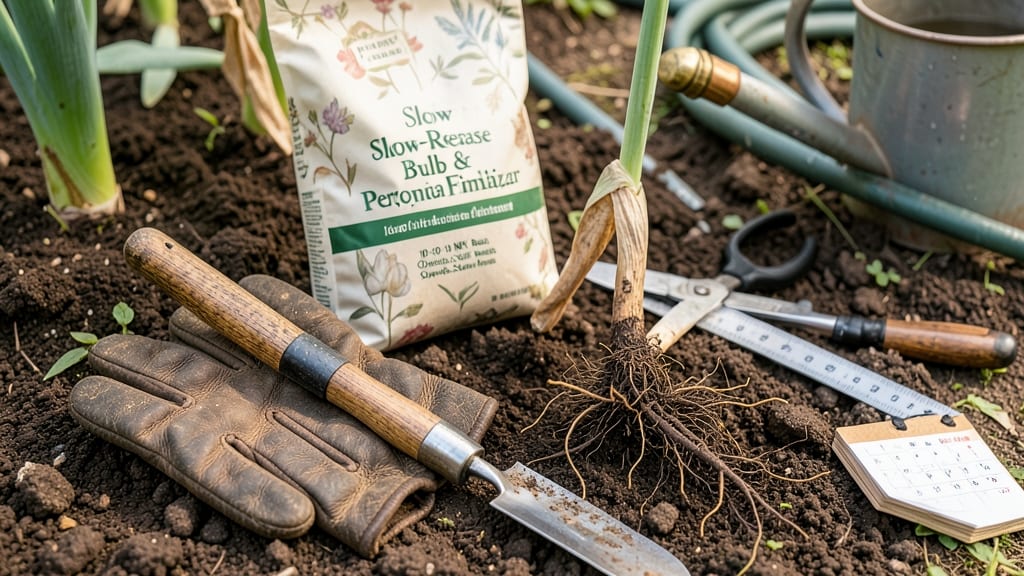
Why didn’t my irises bloom this year?—and it’s not because they’re being dramatic. 🌸 The truth is, irises often skip blooming due to simple, fixable mistakes most gardeners overlook. Between you and me, I’ve had my share of iris disappointments, but the good news? This is one plant that bounces back fast when you address the root causes.
The biggest culprits? Too much shade (they need at least 6 hours of sunlight), overcrowded rhizomes (dig them up every 3-4 years), or skipping their summer dormancy (they need dry soil in late summer).
Even something as small as not fertilizing in early spring can send them into a blooming strike. The fix? A little detective work and a few targeted adjustments.
By next spring, you’ll see those classic sword-shaped leaves followed by vibrant, showstopping blooms—if you address the issues now. The best part? Irises are tough; once you get them right, they’ll reward you for years with minimal effort. Let’s turn those empty stems into a full-blown display.
Fair warning: some fixes take patience (like dividing clumps), but the payoff is worth it. Whether you’re dealing with no blooms at all or just a few sad stems, we’ll get to the bottom of it—and next year will be your best yet.
The Real Culprits Behind Missed Blooms
If your irises are looking more like leafy green sentinels than vibrant blooming stars this year, the issue likely stems from one (or more!) of these common but often overlooked factors.
Irises are hardy plants, but they have specific needs that, when disrupted, can send them into a bloom drought. Let’s break down the science—and what you can do to fix it.
Irises are sun worshippers. They thrive in full sun (6–8+ hours of direct sunlight daily), but many gardeners unintentionally deprive them of this critical resource. Here’s why it backfires:
- Photosynthesis slowdown: Irises rely on sunlight to produce energy for growth and flowering. In shade, they prioritize leaf production over blooms, storing energy as rhizome reserves instead of flowering.
- Weakened rhizomes: Shade-stressed irises produce thinner, less robust rhizomes, which struggle to support flower spikes the following year.
- Competition from nearby plants: Tall perennials, trees, or even overzealous mulch piles can cast shade, blocking light.
💡 Fix it: Prune back nearby trees or shrubs, remove dense mulch layers, or transplant irises to a sunnier spot. If relocating, do it after blooming (late summer) to avoid stressing the plant.
Irises are drought-tolerant but not flood-tolerant. Their blooming cycle hinges on proper moisture balance, and getting it wrong can derail flower production.
| Issue | Why It Stops Blooms | Solution |
|---|---|---|
| Underwatering | Rhizomes dry out, halting energy production. Flower buds form in late summer/fall and need consistent moisture to develop. | Water deeply 1–2 times per week (more in extreme heat). Aim for 1–1.5 inches of water per week, including rainfall. |
| Overwatering | Soggy soil suffocates roots, leading to rhizome rot. Healthy roots = energy for blooms; rot = no blooms. | Ensure well-draining soil (amend with sand or gravel if clay-heavy). Avoid mulching too close to rhizomes. |
| Inconsistent watering | Fluctuating moisture stresses the plant, diverting energy away from flower production. | Stick to a regular schedule, especially during bud formation (late summer). |
🌡️ Pro Tip: Irises in containers dry out faster. Check soil moisture weekly—if the top inch is dry, water thoroughly.
Irises don’t need (or want) heavy fertilization, but improper feeding can stunt blooms. Here’s how nutrients go wrong:
- Excess nitrogen: Too much N promotes leafy growth at the expense of flowers. Irises store energy in rhizomes, and nitrogen overload tricks them into thinking they should grow more leaves instead of blooms.
- Phosphorus/potassium deficiency: These nutrients are critical for flower development. Without them, irises may produce weak or no blooms.
- Over-fertilizing: Fertilizers with high salt content (like synthetic blends) can burn rhizomes, halting growth entirely.
🎯 Fix it:
- Use a balanced, low-nitrogen fertilizer (e.g., 5-10-10) once in early spring and again after blooming.
- Avoid organic amendments like compost too close to rhizomes—they can cause rot.
- Test your soil! A simple DIY test kit can reveal if you’re over- or under-fertilizing.
Irises are tough, but they hate being disturbed at the wrong time. Here’s how mishandling them can kill blooms:
- Dividing at the wrong time: Irises form flower buds 6–8 weeks before blooming (typically late summer/fall). Digging them up during this window removes future blooms.
- Overcrowded rhizomes: When clumps get too dense, they compete for nutrients, leading to smaller or no blooms. Old rhizomes also deplete energy reserves.
- Mechanical damage: Heavy mulch, lawnmowers, or even overly aggressive pruning can stress rhizomes, diverting energy away from blooming.
🔥 Fix it:
- Divide in early spring or after blooming (never mid-summer). Cut rhizomes into sections with 1–2 healthy fans of leaves per piece.
- Replant divisions at the same depth (top of rhizome should be exposed, not buried).
- Keep mulch 3–4 inches away from rhizomes to prevent rot.
Irises are cold-hardy, but extreme heat or late-season cold snaps can disrupt their blooming cycle. Here’s how:
- Late frosts: If buds form in late winter/early spring and a hard freeze hits, they’ll blacken and die before opening.
- Extreme summer heat: Temperatures above 90°F (32°C) for prolonged periods can stress rhizomes, causing them to go dormant prematurely and skip blooming the next year.
- Inconsistent chilling: Irises need a period of cool weather (40–50°F / 4–10°C) to trigger bud formation. If winters are too mild, they may fail to set buds.
✨ Fix it:
- Protect new growth from late frosts with frost cloth or row covers.
- In hot climates, provide afternoon shade (but keep mornings sunny).
- If your winter is unusually warm, consider artificial chilling (e.g., storing rhizomes in a cool, dark place for 6–8 weeks before replanting).
Most of these issues are reversible with a little troubleshooting. Start by auditing your irises’ light, water, and soil conditions—chances are, a few tweaks will bring those showstopping blooms back next season! 🌸
Revive Your Irises: Step-by-Step Fixes
If your irises refused to bloom this year, don’t panic—most issues have simple solutions! Below, we’ve mapped out practical fixes for each common cause, along with prevention tips to keep your irises thriving next season. Let’s get your garden back on track.
---
Problem: Irises need 6–8 hours of direct sunlight daily. Too much shade (especially from trees or structures) signals them to skip blooming.
How to Fix It: - 🔥 Relocate your irises to a sunnier spot in your garden. Even a few extra hours of morning or afternoon sun can make a difference. - 🍳 Trim nearby foliage (like overgrown shrubs or weeds) blocking sunlight. Use pruners or a hedge trimmer for clean cuts. - 👨🍳 Consider raised beds if your yard is consistently shady. Raised beds warm up faster and can provide better light exposure.
💡 Prevention Tip: Plant irises in south- or west-facing areas where they’ll get the most sunlight. If relocating, dig up clumps in early fall or spring for the best transplant success.
---
Problem: Irises hate soggy roots. Overwatering or clay-heavy soil can cause rot, stressing the plant and halting blooms.
How to Fix It: - ⏰ Adjust your watering schedule: Water deeply once a week (or when the top 2 inches of soil are dry). Irises are drought-tolerant—too much water is worse! - 🔪 Improve drainage by amending the soil with sand, perlite, or compost (50/50 mix works well). For heavy clay soil, dig a trench and add gravel or coarse sand beneath the roots. - 🥘 Elevate beds if your yard floods easily. A slight mound (6–12 inches high) helps water drain away.
🌡️ Prevention Tip: Test your soil’s drainage by digging a hole, filling it with water, and timing how long it takes to drain. If it’s slower than 4 hours, amend the soil immediately.
---
Problem: Irises form dense clumps over time. When they get too crowded, energy goes to leaf growth instead of blooms.
How to Fix It: - 🔪 Dig up the clump in early fall or spring when the plant is dormant. Use a spade to loosen the soil around the edges. - 🎯 Separate the rhizomes (thick, fleshy stems) with a clean knife or hands. Discard the small, weak centers—keep only the firm, plump outer sections with fans of leaves. - 🌱 Replant immediately at the same depth (top of rhizome should be exposed, not buried). Space them 12–24 inches apart for airflow.
✨ Prevention Tip: Divide irises every 3–4 years to prevent overcrowding. This also rejuvenates blooms and reduces pests!
---
Problem: Burying rhizomes too deep (or too shallow) stresses the plant, leading to poor blooming.
How to Fix It: - 📊 Check the depth: Rhizomes should sit partially exposed (about 1/3 above soil). If buried too deep, dig them up and replant correctly. - 💪 For shallow planting, mound soil around the sides but leave the top bare. This prevents rot while allowing sunlight to warm the rhizome. - 🥗 Avoid mulching heavily around the crown—use a thin layer (1–2 inches) of mulch to retain moisture without suffocating the plant.
🎯 Prevention Tip: When planting new irises, mark the crown with a stick or twine so you remember the correct depth next year.
---
Problem: Irises are prone to iris borers, aphids, or fungal diseases (like leaf spot), which weaken the plant.
How to Fix It: - 🔪 Prune damaged leaves immediately with sterilized shears (clean with rubbing alcohol). Remove any mushy or discolored parts. - 💡 Treat pests naturally: - Iris borers: Apply Bt (Bacillus thuringiensis) spray in late spring or wrap the base with aluminum foil to deter larvae. - Aphids: Spray with soapy water (1 tsp mild soap + 1 quart water) or introduce ladybugs. - 🌡️ Prevent fungal issues by watering at the base (not overhead) and ensuring good airflow between plants.
🔥 Prevention Tip: Inspect your irises weekly in spring/summer for chewed leaves or sticky residue (aphid sign). Early action stops small problems from becoming big ones!
--- Problem: Irises need balanced nutrients to produce flowers. Poor soil or skipped fertilizing can stunt blooms.
How to Fix It: - 📊 Use a low-nitrogen, high-phosphorus fertilizer (like 5-10-10 or 10-20-20) in early spring as new growth appears. - 🥗 Apply compost or bone meal around the base (not touching the rhizome) for a phosphorus boost (helps root and flower development). - 💪 Avoid high-nitrogen fertilizers (like lawn food)—they promote leafy growth at the expense of blooms.
🎯 Prevention Tip: Test your soil’s pH (6.0–7.0 is ideal for irises). If too acidic, add lime; if too alkaline, use sulfur. A simple DIY pH test kit works great!
--- Problem: Dividing or pruning at the wrong time (like mid-summer) stresses irises and delays blooms.
How to Fix It: - 📅 Divide in early fall (September–October) or early spring (March–April) when the plant is dormant. - 🔪 Prune dead leaves in late spring/early summer (after blooming) but never cut healthy foliage—it feeds the rhizome for next year’s blooms. - ⏰ Wait to fertilize until after dividing (give plants 4–6 weeks to recover).
💡 Prevention Tip: Keep a gardening journal to track when you divide/prune/fertilize. Consistency is key for iris success!
--- Before you call it quits, run through this quick revival plan: 1. ☀️ Move to sunnier spot if needed. 2. 💧 Water deeply but infrequently. 3. 🔪 Divide overcrowded clumps in fall/spring.
4. 🌱 Plant rhizomes at the right depth. 5. 🍄 Treat pests/diseases early. 6. 📊 Fertilize with phosphorus-rich food. 7. ⏳ Follow the correct pruning/dividing timeline.
With these fixes, your irises should burst into vibrant blooms next season—and you’ll be the envy of the neighborhood! 🌸✨
Frequently asked questions
Why do my irises have leaves but no flowers?
Irises prioritize leaf growth when they're stressed—common triggers include too much shade (they need 6+ hours of sunlight), overcrowded rhizomes (divide every 3-4 years), or excess nitrogen from fertilizer. The good news? Fixing these issues usually brings blooms back within 1-2 years. Start by checking their light exposure and soil conditions.
Can I still get flowers if I missed dividing my iris clumps?
Yes, but you may see fewer blooms this year. Overcrowded irises compete for nutrients, often producing only 1-2 stems per clump instead of the usual 5-10. Dig up and divide in early fall or spring—just be gentle with the rhizomes. The outer sections (with healthy leaves) will bloom best next season.
What's the best fertilizer for blooming irises?
Use a balanced, low-nitrogen fertilizer like 5-10-10 or 10-20-20 in early spring when new growth appears. Avoid high-nitrogen lawn fertilizers—they encourage leafy growth at the expense of flowers. For a natural boost, try bone meal (high in phosphorus) around the base after blooming.
Will my irises bloom if I planted them too deep?
Possibly, but buried rhizomes struggle. Irises need the top 1/3 exposed to prevent rot and encourage blooming. If planted too deep, dig them up now (after blooming season) and replant with just the top third showing. This simple fix often brings back vigorous blooms the following year.
How do I know if my iris rhizomes are healthy?
Healthy rhizomes are firm, plump, and tan-colored with 1-2 healthy leaf fans. Discard any that are shriveled, soft, or mushy (signs of rot) or small and weak (they won't bloom). Keep only the outer sections of clumps—they have the most energy for flowering.