
Blooming
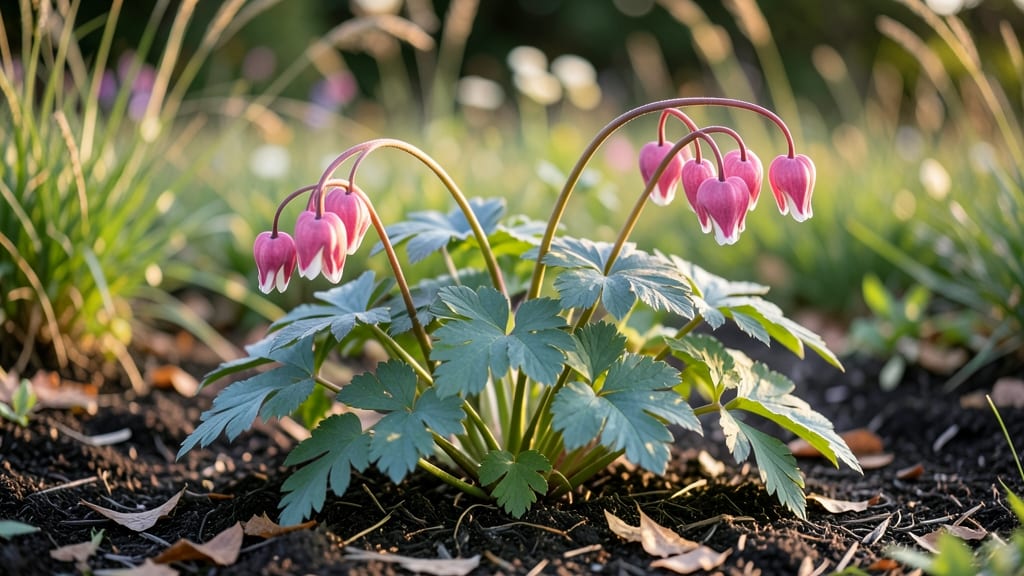
Bleeding heart bloom time depends on your variety and climate, but most spring-blooming types like Dicentra spectabilis burst into flower between late April and early May—just when you need that soft pink or white cheer.
If you’ve ever wondered why your bleeding heart plant seems to vanish for months—only to burst into heart-shaped blooms—you’re not alone. Timing these delicate flowers correctly means the difference between a showstopping garden display and a season of disappointment.
In USDA Zone 6, where most gardeners grow them, early spring planting (March–April) sets the stage for blooms by mid-season. But summer varieties like Dicentra eximia play by different rules, often flowering later into June or even reblooming with the right care.
Below, I’ll break down exactly when to expect those iconic 💖 blooms, how to spot early signs, and the simple care tweaks that can extend your display from weeks to months.
Bleeding heart bloom time by season: when to expect flowers
Bleeding hearts (Dicentra spectabilis) are famous for their springtime spectacle, but their bloom timing varies dramatically based on climate, variety, and planting season.
Most gardeners plant them in early fall for stunning March-April blooms, but summer varieties like Dicentra eximia defy expectations by flowering in late spring to early summer. Understanding these patterns helps you plan your garden for maximum impact.
In USDA Zone 6 (where I garden), my classic pink bleeding hearts typically bloom from mid-March through May, while late varieties may extend into early June. However, in warmer zones like Zone 7-8, blooms often arrive 2-4 weeks earlier, sometimes as early as February.
The key is recognizing your local last frost date—planting too early risks frost damage to emerging buds.
Here’s the seasonal breakdown you need to predict and extend your bleeding heart’s flowering window:
| Season | Bloom Period | Key Varieties | Climate Impact | Planting Tip |
|---|---|---|---|---|
| Early Spring | March–April | Dicentra spectabilis (classic), 'Alba' | Cooler zones (6-7): 4-6 weeks after dormancy | Plant September-October for spring blooms |
| Late Spring | April–May | 'Valentine', 'Gold Heart' | Warmer zones (8+): 2-3 weeks earlier | Use mulch to protect roots in heat |
| Summer | June–July | Dicentra eximia (fringed bleeding heart) | Thrives in partial shade; blooms after heat stress | Plant in spring for summer flowers |
| Fall | None (dormant) | All varieties | Foliage dies back; no blooms until next season | Cut back dead foliage in late fall |
Your planting time directly controls bloom timing. If you plant bleeding hearts in early spring (March), they’ll often skip flowering that year and focus on root establishment, saving their energy for next spring’s blooms.
For immediate color, opt for fall planting—this mimics their natural dormancy cycle and triggers robust spring growth.
Climate plays a surprising role. In cooler microclimates (like my shaded woodland garden), blooms arrive later but last longer—sometimes until early June. Meanwhile, in hotter, drier zones, plants may bolt (send up seed stalks) instead of blooming, so consistent moisture is critical.
I’ve seen bleeding hearts in Zone 9 bloom as early as January if given afternoon shade.
Watch for early signs of blooms: new growth emerges in late winter (February), followed by heart-shaped buds that swell in March. If your plant produces seed pods instead of flowers, it’s likely stressed from heat or drought.
Move it to a shadier spot and increase watering immediately to encourage next year’s blooms.
For extended blooming seasons, try these two strategies: First, plant multiple varieties, like Dicentra spectabilis (spring) paired with Dicentra eximia (summer). Second, deadhead spent blooms (remove faded flowers) to redirect energy into new growth. I’ve had plants rebloom in late summer with this method, though it’s not guaranteed.
Pro tip: If you’re in a warmer climate (Zone 8+), consider winter mulching to protect roots. I use 3 inches of shredded bark in December, which helps regulate soil temperature and prevents early budding that frost can damage.
This small step can mean the difference between a weak spring display and a lush, prolonged bloom.
Remember, bleeding hearts are perennials, so with proper care, they’ll return year after year. The first year after planting may be sparse, but by year 3, a well-established plant can produce hundreds of blooms.
Patience and timing are your best tools for a garden filled with these romantic, heart-shaped flowers.
How often do bleeding hearts flower? Variety-specific bloom cycles
Not all bleeding heart varieties follow the same blooming schedule—some flower just once, while others may surprise you with a second show.
The classic Dicentra spectabilis (common bleeding heart) typically blooms once per year in spring, but its cousins like Dicentra eximia (fragile bleeding heart) might reward you with two bloom cycles if conditions are right. Understanding these differences helps you plan your garden for maximum impact.
Most bleeding hearts are perennial, meaning they return year after year, but their annual vs. biennial blooming habits can vary dramatically. For example, Dicentra spectabilis often takes 2 years to establish and bloom, while Dicentra formosa (Pacific bleeding heart) may bloom earlier but less prolifically.
Let’s break down the key differences so you know what to expect.
| Variety | Bloom Cycle | Bloom Time | Reblooms? | Care Tip |
|---|---|---|---|---|
| Dicentra spectabilis | Biennial (often 2 years to first bloom) | Spring (April-May) | No (single bloom) | Deadhead spent blooms to encourage foliage growth for next year. |
| Dicentra eximia | Perennial (blooms annually) | Spring (March-April) + occasional summer rebloom | Yes (with proper care) | Plant in partial shade and keep soil moist for repeat blooms. |
| Dicentra formosa | Perennial (blooms yearly) | Late spring (May-June) | No (single bloom) | Tolerates drier soil but blooms best with consistent moisture. |
| Dicentra cucullaria (Dutchman's breeches) | Perennial (blooms annually) | Early spring (March-April) | No (single bloom) | Naturalizes well in woodland gardens with minimal care. |
If you’re dreaming of extended blooming seasons, focus on Dicentra eximia—it’s the most likely to rebloom if you provide consistent moisture and partial shade.
Even once-blooming varieties like Dicentra spectabilis can be coaxed into producing more foliage (and potential future blooms) by deadheading spent flowers and fertilizing lightly in early spring.
Light exposure plays a huge role in bloom frequency. While most bleeding hearts thrive in partial shade, too little light can delay blooming, while too much sun may cause leaf scorch and reduced flowers.
Aim for 4-6 hours of morning sun and afternoon shade for the best results. This balance helps plants store energy for longer bloom cycles.
Pro tip: Divide mature clumps every 3-4 years to rejuvenate plants and encourage more vigorous blooming. Overcrowded roots can lead to fewer flowers, so this simple task can double your bloom count in just one season.
Just time it right—early spring or fall is ideal for minimal stress on the plant.
With the right variety and care, your bleeding hearts can become reliable spring stars—or even surprise you with summer repeats. Experiment with different types in your garden to see which thrives best in your local climate and lighting conditions. Happy planting! 🌿