
Blooming
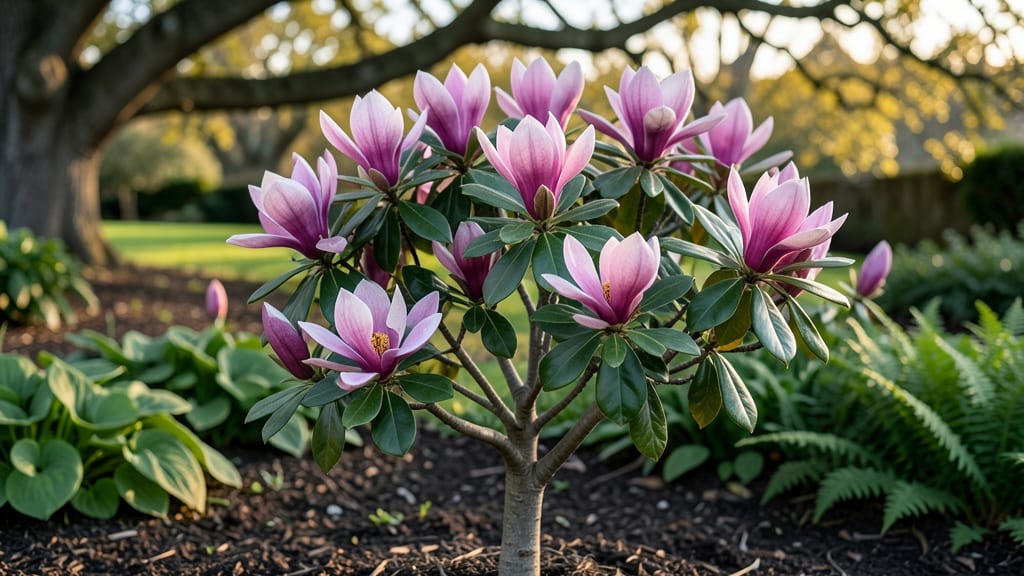
The Jane Magnolia 🌸 blooms in late March to early April in most regions, but the exact timing depends on your climate zone and how you care for it.
Picture this: your yard is still quiet in early spring, then—overnight—your Jane Magnolia erupts in fragrant, creamy-white blossoms that turn heads for weeks. But if you’re in a warmer zone, those blooms might arrive as early as February, while gardeners in colder areas could wait until May.
Understanding your USDA heat zone is the key to predicting when your tree will flower. Too little sun or inconsistent watering can push back bloom time, while proper care keeps your magnolia on schedule every year.
Below, I’ll break down the exact months for your region, plus simple adjustments to ensure your Jane Magnolia puts on its best show—year after year.
Jane Magnolia bloom time by USDA heat zones (exact months)
The Jane Magnolia (Magnolia × 'Jane') is famous for its fragrant, creamy-white blooms that arrive with the first hints of spring.
But unlike some magnolias that bloom in late winter, this hybrid waits for warmer, stable temperatures—meaning its bloom time shifts dramatically depending on your USDA heat zone.
In Zone 6, you might see buds open in late April, while gardeners in Zone 10 often enjoy flowers as early as February. Understanding these patterns helps you plan pruning and enjoy peak fragrance when it matters most.
Temperature fluctuations play a critical role in bloom timing. A sudden cold snap in Zone 7 can delay blooms by 2-3 weeks, while a mild winter in Zone 9 might push flowers to open in January.
Southern states like Florida or Texas often see earlier blooms, while Northern states like New York or Pennsylvania may not reach peak bloom until May. Even within the same zone, microclimates (like urban heat islands) can shift timing by 10 days or more.
Here’s the exact bloom window for each zone, including early vs. late bloomers and regional variations to help you predict when your tree will burst into fragrance.
| USDA Zone | Early Bloom | Peak Bloom | Late Bloom | Regional Notes |
|---|---|---|---|---|
| 6a-6b | Late April | Mid-May | Early June | Northern states (e.g., Minnesota, Maine); cold snaps delay blooms. |
| 7a-7b | Early April | Late April | Mid-May | Mid-Atlantic (e.g., Virginia, Ohio); urban areas bloom 1 week earlier. |
| 8a-8b | Mid-March | Early April | Late April | Southeast (e.g., Georgia, North Carolina); coastal areas bloom 2 weeks sooner. |
| 9a-9b | Late February | Early March | Mid-March | Gulf States (e.g., Louisiana, Alabama); mild winters lead to earliest blooms. |
| 10a-10b | January | February | Early March | Southern California, Florida, Texas; blooms may repeat in fall in mild climates. |
If you’re in Zone 6 or 7, your Jane Magnolia likely blooms in April or May, aligning with late-spring festivals and wedding season. But here’s the secret: pruning after blooms (in June or July) encourages next year’s buds to form earlier.
In warmer zones (8-10), you might even see second blooms in fall if temperatures stay mild.
Regional variations matter too. For example, coastal California (Zone 9-10) often sees blooms 3-4 weeks earlier than inland areas due to milder winters. Meanwhile, Appalachian regions in Zone 6 may experience delayed blooms if snow covers buds into May.
To encourage earlier blooms, plant your magnolia in the sunniest spot in your yard and mulch heavily in winter to protect roots from temperature swings.
Temperature fluctuations can also stress buds. A hard freeze in Zone 7 might damage emerging blooms, while a heatwave in Zone 10 can cause buds to open too quickly and drop.
If you notice bud blast (buds forming but not opening), it’s often a sign of late-winter cold snaps. To mitigate risks, avoid heavy pruning in fall or winter, as this removes next year’s flower buds.
Pro tip: Track your local last-frost date and
How to predict your Jane Magnolia’s bloom time (pro tips)
The Jane Magnolia typically blooms in early spring, but predicting the exact timing requires understanding its natural cues. Unlike some plants that bloom on a strict schedule, magnolias respond to temperature shifts and daylight changes.
By tracking these factors, you can estimate bloom dates with surprising accuracy—even before buds appear!
Start by noting your last frost date in your region. Jane Magnolias usually begin blooming 4-6 weeks after the last frost, provided temperatures stay above 40°F (4°C) consistently.
However, this timeline shifts slightly depending on whether your tree receives full sun or partial shade. Sunlight exposure directly impacts bud development and bloom readiness.
- 1 Watch for leafing patterns: Jane Magnolias often produce pinkish buds in late winter. These buds will swell and turn greenish as they prepare to bloom. Timing varies—buds may appear as early as February in Zone 8 or as late as April in Zone 6.
- 2 Use last-frost dates: Blooms typically occur 2-3 weeks after the last frost in your area. For example, if your last frost is April 15, expect blooms around May 1-15. Adjust for warmer microclimates (e.g., urban areas) by subtracting 1-2 weeks.
- 3 Observe sunlight exposure: Trees in full sun (6+ hours/day) bloom 1-2 weeks earlier than those in partial shade (3-6 hours/day). Shade delays bud opening due to slower photosynthesis. If your tree is in partial shade, add 10-14 days to your predicted bloom date.
-
4
Check for bud firmness: Gently press a bud—if it feels firm but slightly soft, blooming is imminent (within 3-7 days
- 5 Account for tree age: Young Jane Magnolias (3-5 years old) may bloom 2-4 weeks later than mature trees (10+ years). If your tree is newly planted, expect its first bloom in spring of its 4th year, assuming optimal care.
For first-time bloomers, create a simple bloom prediction checklist. Mark off each step as you observe it: bud swell, leaf emergence, and bud firmness. For example, if you see buds in late February and your last frost is April 1, plan for blooms around April 15-25.
Adjust based on sunlight and age—this method works even if your region’s climate is unpredictable!
Pro tip: Use a garden journal to track bloom dates year after year. Over time, you’ll notice patterns specific to your microclimate. For instance, my Jane Magnolia in Zone 7 blooms reliably by mid-April, but a neighbor’s tree in the same zone—planted in partial shade—blooms a full week later.
Small details like this make all the difference!
If your tree isn’t following the expected timeline, don’t panic. Factors like recent pruning, nutrient deficiencies, or even stress from transplanting can delay blooms. Focus on providing consistent moisture and balanced fertilizer in early spring to encourage healthy bud formation next year.
With these pro tips, you’ll never miss the magical sight of your Jane Magnolia in full bloom—plus, you’ll gain confidence in predicting bloom times for other magnolias in your garden! 🌸