
Blooming
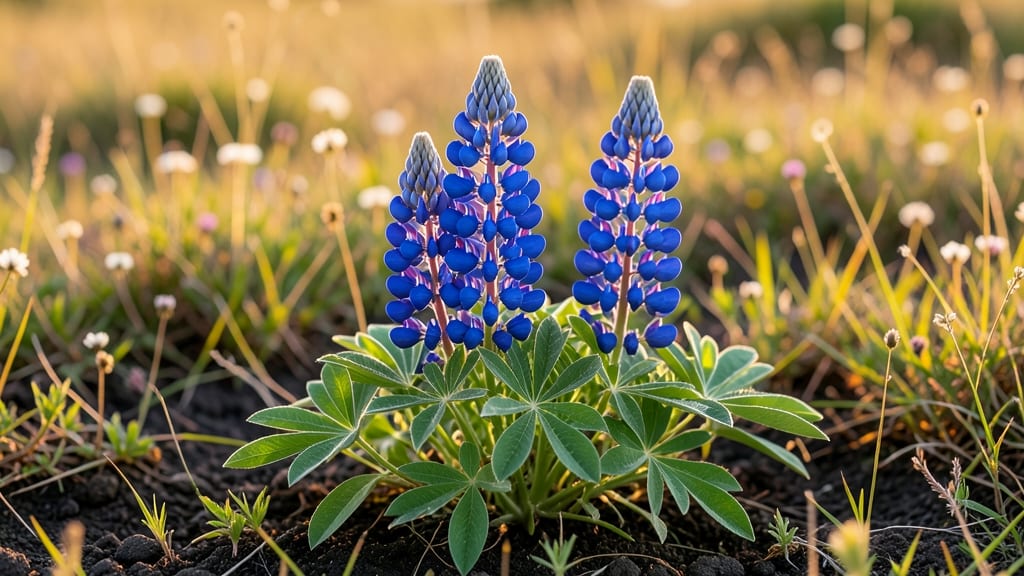
Lupines bloom in late spring to early summer, with exact timing depending on your variety and hardiness zone — and missing that window means skipping the showstopper flowers you planted for.
Picture this: you’ve waited months for those tall spikes to emerge, only to find your lupines 🌸 putting out leaves instead of vibrant blooms. The key? Knowing when your specific lupine variety typically flowers — and how to tweak conditions to bring those colors forward.
In Zone 6a, most lupines burst into bloom between May and June, but cooler climates can push that back by weeks. Meanwhile, heat-sensitive varieties in southern zones may flower earlier or struggle in summer heat.
The right soil prep and sunlight can shift that timeline by 30-50%, turning a lackluster display into a garden highlight.
Below, I’ll break down bloom times by popular varieties, zone-specific adjustments, and 5 pro tips to extend your lupine’s flowering season — so you’re not left staring at green spikes when the neighbors’ gardens are in full color.
Lupine bloom time by popular variety: exact months for peak flowers
Lupines are showstoppers in any garden, but their bloom timing varies dramatically between varieties. Whether you're growing tall blue giants or compact silver beauties, knowing when to expect those vibrant spikes helps you plan companion plants and enjoy peak color.
Most lupines bloom in late spring to summer, but some varieties stretch into early fall—with hardiness zone playing a major role in exact timing.
For example, Russell Hybrid lupines—one of the most popular varieties—typically burst into vibrant purple blooms in June across most of the U.S., while Galveston varieties often bloom 2-3 weeks earlier.
Even within the same variety, a cooler climate can delay blooms by 3-4 weeks compared to a warmer southern zone. Let’s break down the exact bloom windows for 10+ beloved lupine varieties so you can time your garden for maximum impact.
If you’re in USDA Zone 5 or colder, expect lupines to bloom 2-4 weeks later than the table above. For instance, Russell Hybrid in Zone 5 may not
How your hardiness Zone shifts lupine bloom time by 2-4 weeks
Your hardiness zone plays a starring role in when lupines bloom. In Zone 3-5, cold-hardy varieties like Lupinus polyphyllus often burst into color by late May to June, while southern zones (7-9) see peak blooms in March-April.
This shift happens because lupines need consistent warmth to trigger flowering, but too much heat can delay or reduce blooms.
For example, Russell Hybrid lupines in Zone 6 typically bloom in June-July, but in Zone 9, they may start as early as April—or struggle in summer heat. Understanding these patterns helps you choose varieties that thrive in your climate and avoid disappointment.
| Hardiness Zone | Cold-Hardy Varieties (Bloom Window) | Heat-Sensitive Varieties (Bloom Window) | Key Adjustment |
|---|---|---|---|
| Zones 3-5 | Late May - June | N/A (few options) | Plant early, mulch heavily |
| Zones 6-7 | June - Early July | April - May | Choose early varieties |
| Zones 8-9 | March - April | March - April (but may fade in heat) | Provide afternoon shade |
| Zones 10+ | N/A (rarely survives) | February - March (container-grown) | Use containers, move indoors |
If you're in Zone 4-6, prioritize Lupinus perennis (wild blue lupine) or Lupinus arboreus, which handle cooler temps better. In Zones 7-9, opt for Galveston Bluebonnet or Silver Cup—they bloom earlier and tolerate brief heatwaves.
Always check the USDA Plant Hardiness Zone Map for your exact location to fine-tune timing.
Pro tip: In southern zones, plant lupines in fall for a winter-spring bloom. This avoids summer heat stress and gives you flowers when many other plants are dormant. Just ensure your soil stays well-draining—lupines hate soggy roots.
For Zone 3-5 gardeners, extend the season by planting annual varieties like Russell Hybrid in late spring after frost risk passes. These will bloom through summer until first frost, giving you 3-4 months of vibrant color.
Remember, lupines are nitrogen-fixing powerhouses, but they need phosphorus to bloom well. In Zones 6-9, a light feeding of 5-10-10 fertilizer in early spring can trigger earlier, more abundant blooms. Just avoid over-fertilizing—lupines prefer lean soil.