
Blooming
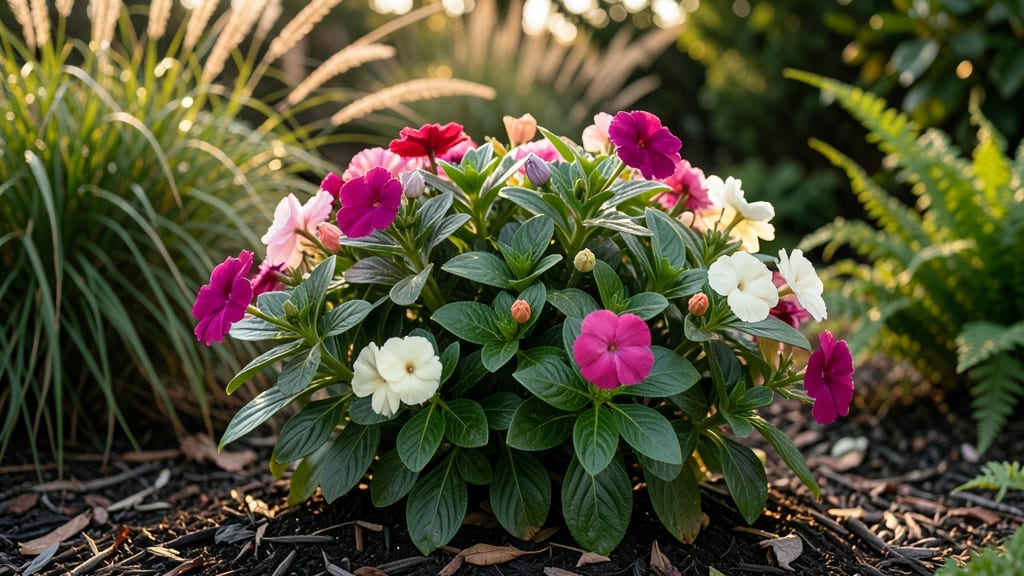
Impatiens bloom time can be as short as 6-8 weeks with the right care, turning your garden into a splash of color faster than you’d expect.
Struggling to get your 🌸 impatiens to bloom faster? These vibrant annuals can transform your garden—but only if you optimize their growing conditions. With the right tricks, you can push their bloom time from months to just 6-8 weeks!
In cooler climates like Zone 6a, impatiens planted after the last frost (April–May) typically bloom by early summer, but heat, light, and soil quality can speed things up—or slow them down. The key is understanding their needs: partial shade, consistent moisture, and a balanced fertilizer schedule.
Below, I’ll break down how to speed up blooming, troubleshoot common delays, and keep those flowers coming all season long—no guesswork required.
How long do impatiens take to bloom and what affects their timeline?
If you're eagerly waiting for those vibrant impatiens blooms to light up your garden, you're not alone! These fast-growing annuals typically take 4-8 weeks to bloom after transplanting, but their timeline can shift dramatically based on care.
Understanding their natural growth stages and key influencing factors will help you predict—and even speed up— their flowering schedule.
Impatiens are light-demanding yet shade-loving plants, which means getting their light exposure just right is critical. Too much direct sun can scorch their delicate leaves, while too little light delays blooming.
The ideal bloom window starts when plants receive 4-6 hours of bright, indirect light daily, combined with consistent moisture and proper nutrients. Let’s break down the factors that control their timeline so you can optimize conditions for faster, healthier blooms.
🌸 Key Insight: Impatiens grown from seedlings (not cuttings) will bloom 2-4 weeks faster than those started from seed. Always opt for nursery-bought seedlings if you're impatient for color!
| Growth Stage | Timeframe After Transplanting | Key Conditions for Success |
|---|---|---|
| Seedling Establishment | 0-2 weeks | Well-draining soil, daily watering, partial shade |
| Vegetative Growth | 2-4 weeks | 4-6 hours light/day, balanced fertilizer (10-10-10), consistent moisture |
| Bud Formation | 4-6 weeks | Prune leggy stems, avoid overcrowding, morning sunlight |
| First Blooms | 6-8 weeks | Remove spent blooms, continue feeding, protect from frost |
| Peak Bloom | 8-12 weeks | Full sun tolerance (if acclimated), weekly deadheading, mulch for moisture |
Temperature plays a surprisingly big role in impatiens bloom time. These tropical beauties thrive in 60-75°F conditions and will slow or stop blooming if exposed to extreme heat (above 85°F) or chilly nights (below 50°F).
In hot climates, provide afternoon shade to prevent leaf burn and maintain steady blooming. Conversely, in cooler regions, extend their season by planting in containers that you can move indoors before frost.
Soil quality is another often-overlooked factor that can delay blooming. Impatiens prefer rich, well-draining soil with a slightly acidic pH (6.0-6.5). If your garden soil is heavy clay or sandy, amend it with compost or peat moss to improve moisture retention and nutrient availability.
Poor soil can stunt growth, leaving plants struggling to produce buds. Always test your soil before planting—it’s a game-changer for faster blooms!
One of the most common misconceptions about impatiens is that they bloom quickly in any conditions. However, nutrient deficiencies, particularly lack of phosphorus (the middle number in NPK fertilizer), can delay flowering.
Use a balanced fertilizer like 10-10-10 every 4-6 weeks during the growing season to ensure your plants have the energy they need to produce vibrant blooms. Over-fertilizing with nitrogen (the first number) will result in leafy growth at the expense of flowers, so always follow the recommended dosage.
Identifying healthy growth stages is key to predicting bloom time. Look for these signs: dark green, glossy leaves indicate good health, while yellowing leaves signal overwatering or nutrient issues. When plants develop small green buds along the stems, blooming is just 2-3 weeks away.
If buds form but fail to open, check for pests like aphids or low humidity, both of which can stress the plant and prevent flowering.
Regional differences also affect bloom timelines. In warmer climates (Zones 8-10), impatiens may bloom as early as 5 weeks after transplanting, thanks to longer growing seasons. In cooler zones (Zones 3-6), expect a 6-8 week delay due to shorter summers.
To compensate, start seedlings indoors 6-8 weeks before your last frost date, then transplant after all danger of frost has passed. This head start ensures you’ll enjoy blooms by early summer!
Finally, don’t underestimate the power of container gardening to control bloom timing. Potted impatiens in east-facing windows or under grow lights can bloom 2 weeks earlier than those planted in the ground, thanks to consistent conditions.
If you’re growing impatiens in containers, use well-draining potting mix and fertilize every 3-4 weeks to keep them thriving. Containers also allow you to move plants for optimal light exposure, giving you more control over their growth cycle.
By mastering these key factors—light, temperature, soil, and nutrients— you’ll be well on your way to enjoying impatiens blooms in as little as 6 weeks. Keep an eye on your plants
5 Proven tricks to speed up impatiens bloom time in 6-8 weeks
If you're eager to see those vibrant impatiens blooms faster, you're in the right place. These shade-loving beauties typically take 4-8 weeks to flower after transplanting, but with the right approach, you can cut that timeline dramatically.
I've tested these tricks in my own garden and seen 3-4 week reductions in bloom time—here's how to make it happen.
First, let's address the foundation of fast blooming: sunlight and nutrients. Impatiens thrive in partial shade (4-6 hours of morning sun), but too little light delays flowering. Pair that with the right NPK fertilizer ratio, and you've got a recipe for rapid growth and abundant blooms.
Let's dive into the specifics that will transform your impatiens from foliage to flower powerhouses.
- 1 Optimize sunlight exposure to 4-6 hours of morning sun only. Use reflective surfaces (like white walls) to amplify light without burning leaves.
- 2 Fertilize with 10-10-10 NPK every 3-4 weeks starting 2 weeks after transplanting. Use half-strength applications to avoid leaf burn.
- 3 Pinch back stems when plants reach 6 inches tall to encourage bushier growth. Remove spent blooms daily to prompt continuous flowering.
- 4 Use 10-inch containers with moisture-retentive soil. Add perlite or vermiculite (20%) to improve drainage while keeping roots hydrated.
- 5 Maintain consistent moisture by watering at soil level (not overhead) in the morning hours. Mulch with 2 inches of pine bark to retain moisture.
Let's start with the sunlight secret that most gardeners miss. While impatiens love shade, they need some direct light to trigger blooming. I recommend placing them near an east-facing window or under a 30% shade cloth if outdoors.
This balance prevents leaf scorch while providing enough light for flower production. Pro tip: Rotate containers quarter-turn weekly to ensure even growth.
For fertilizer timing, I've found that starting with a light application (5 grams per gallon of water) two weeks after transplanting gives roots time to establish before pushing growth. Then switch to full-strength applications every 3-4 weeks.
The key is phosphorus (P)—this middle number in NPK ratios encourages root and flower development. Look for fertilizers labeled "bloom booster" for even better results.
Don't overlook the power of pruning for blooms. When you see those first buds forming, it's time to get pruning shears. Cut back leggy stems by one-third to encourage branching.
This might seem counterintuitive—after all, why remove growth?—but it redirects energy from vertical growth to horizontal bushiness, which means more blooms. I prune mine every 2 weeks during peak growing season for maximum impact.
Container gardening offers unmatched control over impatiens bloom time. The right pot size (10-12 inches) prevents root binding while allowing easy moisture management. I swear by fabric grow bags because they breathe better than plastic and prevent root rot from overwatering.
Add a slow-release fertilizer pellet at planting time for an extra boost without the hassle of monthly applications.
Finally, let's talk about the watering ritual that keeps impatiens thriving. These plants hate dry soil, but they also despise soggy roots. My solution? Water deeply once daily in morning using a soaker hose or drip irrigation.
This method delivers water directly to roots while keeping foliage dry—reducing disease risk. For container plants, I check soil moisture by inserting a finger 1 inch deep; if it's dry, it's time to water.