
Blooming
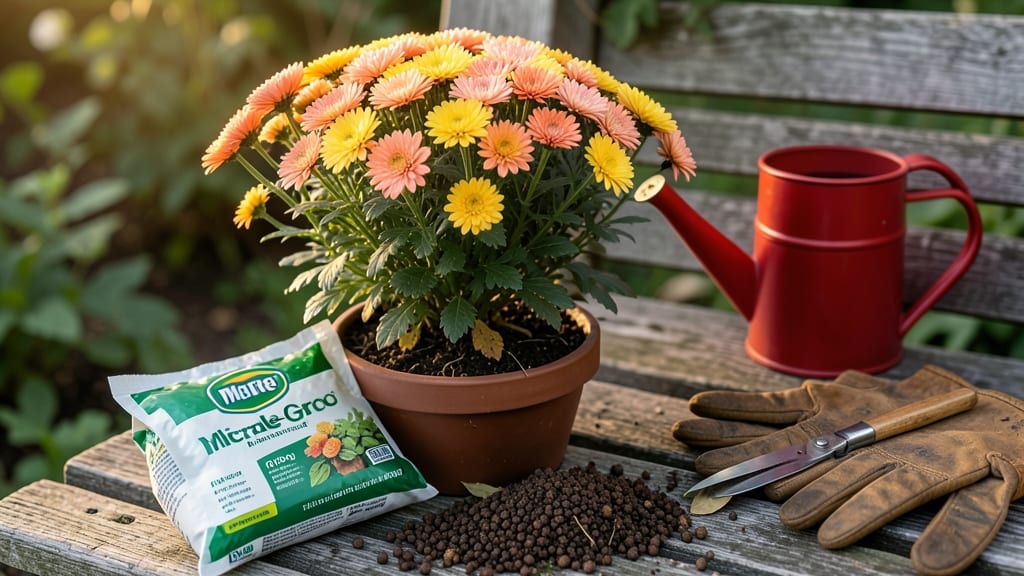
To get mums to bloom faster, you’ll need to time pruning, control heat exposure, and feed them just right—all tricks that can shave weeks off their schedule.
Struggling to get your chrysanthemums (🌼) to burst into vibrant color before fall? The secret lies in strategic pruning, heat exposure, and timing—techniques that can accelerate blooming by weeks.
Most gardeners overlook the fact that mums need a balance of sunlight, nutrients, and a little stress (like cooler nights) to trigger early flowering. Without it, they’ll just sit there looking pretty but not blooming.
In this guide, I’ll walk you through the exact steps to prune, fertilize, and adjust light for faster blooms—whether you’re growing them in pots or the garden bed.
When and how to prune mums for faster blooming
If your chrysanthemums are taking forever to bloom, pruning at the right time could be your secret weapon. These hardy plants respond beautifully to strategic cuts, but timing is everything. Early summer pruning encourages bushier growth, while late summer cuts redirect energy toward blooms.
Let’s break down the exact techniques to get those vibrant fall flowers weeks ahead of schedule.
Most gardeners make one of two mistakes: pruning too late or too aggressively. Late summer cuts (after July 15) can delay blooming, while over-pruning removes too many leaves, starving the plant of energy.
Instead, we’ll focus on light pruning and deadheading to maximize bloom speed without stressing your mums. Think of it as giving your plants a growth boost while steering their energy toward flowers.
Here’s the step-by-step process I’ve used to get mums blooming 3-4 weeks earlier in my own garden. The key is balancing timing, cutting technique, and post-pruning care.
Use clean, sharp pruning shears to cut back 1/3 of the plant’s height. Focus on removing tall, leggy stems and overcrowded branches. This encourages bushier growth and more flowering stems later.
Remove spent blooms by cutting the stem 1 inch below the flower head. This prevents seed formation and redirects energy to new buds. Do this every 2-3 days during peak bloom season.
If your mums are still too leggy, give them a light haircut in late August. Cut back only the longest stems by half their length. Avoid heavy pruning—this can delay blooming until after the first frost.
Apply a balanced fertilizer (5-10-10) 2-3 days after pruning. This gives your mums the nutrients they need to recover and produce more blooms. Water deeply after fertilizing to prevent root burn.
Healthy regrowth looks like new green leaves at the base of cut stems. If you see yellowing leaves or stunted growth, you pruned too late or too harshly. Adjust future cuts accordingly for faster blooming next year.
One of the biggest misconceptions about pruning mums is that more cuts equal more flowers. In reality, over-pruning can shock the plant and delay blooming. I’ve seen gardeners cut their mums back to bare stems in early fall, only to watch their blooms arrive after frost.
The trick is precision—targeting only the longest, weakest stems while preserving the plant’s leaf canopy.
After pruning, keep an eye on your mums’ water needs. Pruned plants need more frequent watering (every 2-3 days) to recover. Water at the base of the plant in the morning to prevent fungal issues.
Avoid wetting the leaves, as this can lead to powdery mildew, a common problem in humid climates.
For maximum bloom speed, pair pruning with full-sun exposure. Mums need at least 6 hours of direct sunlight daily to produce vibrant flowers. If your garden gets partial shade, consider moving potted mums to a sunnier spot after pruning.
Even an extra 2 hours of sunlight can make a noticeable difference in bloom timing.
Pro tip: If your mums are container-grown, prune them earlier (late May) because they recover faster in pots. Potted mums also benefit from weekly feeding with a low-nitrogen fertilizer (like 5-10-10) after pruning.
This gives them the phosphorus boost they need to produce more blooms in a shorter time frame.
By following these steps, you’ll see bigger, brighter blooms arriving weeks ahead of schedule. The key is consistency—prune at the right time, deadhead regularly, and give your mums the care they need to thrive.
Before you know it, your garden will be bursting with fall color while your neighbors are still waiting for their mums to bloom!
Heat triggers that force mums to bloom earlier
Chrysanthemums ('mums') thrive when exposed to specific heat triggers that signal their bodies to produce flowers faster. By manipulating nighttime temperatures, soil warmth, and sunlight intensity, you can coax blooms weeks ahead of schedule. These science-backed methods work by mimicking natural seasonal shifts that prompt flowering.
One of the most effective strategies is controlling nighttime temperatures. Mums typically bloom when nights cool below 65°F (18°C), but you can trick them into flowering earlier by gradually lowering nighttime temps to 55-60°F (13-16°C) during late summer.
This temperature drop sends the right signals to the plant’s flowering hormones.
| Method | Action | Bloom Speed |
|---|---|---|
| Nighttime Cooling | Lower temps to 55-60°F (13-16°C) after sunset | 2-3 weeks faster |
| Soil Warmth | Use black plastic mulch or heat mats | 1-2 weeks faster |
| Extended Sunlight | Add 2-3 hours of afternoon sun | 1 week faster |
| Phosphorus Boost | Apply 5-10-10 fertilizer in late summer | 10-15% more blooms |
Another powerful trigger is soil warmth. Mums respond to warmer soil by accelerating their growth cycle. Use black plastic mulch or heat mats to raise soil temperatures by 5-10°F (3-6°C) during late summer. This mimics the heat they’d naturally experience in late summer, pushing them to bloom earlier.
For container-grown mums, place pots in south-facing locations where they’ll receive extended afternoon sunlight. This extra light boosts photosynthesis, giving the plant more energy to produce flowers. If your mums are in partial shade, consider moving them to a sunnier spot for 2-3 hours per day in late summer.
Finally, a phosphorus-rich fertilizer (like 5-10-10) applied in late summer can supercharge blooming. Phosphorus is the key nutrient for flower development, and a mid-summer feeding ensures your mums have the resources they need to burst into color faster. Apply it in early morning to avoid leaf burn.
By combining these heat triggers—cooler nights, warmer soil, and extra sunlight—you can force mums to bloom 2-3 weeks earlier than usual. Just remember to monitor your plants closely, as extreme conditions can stress them if not balanced properly. 🌼