
How To
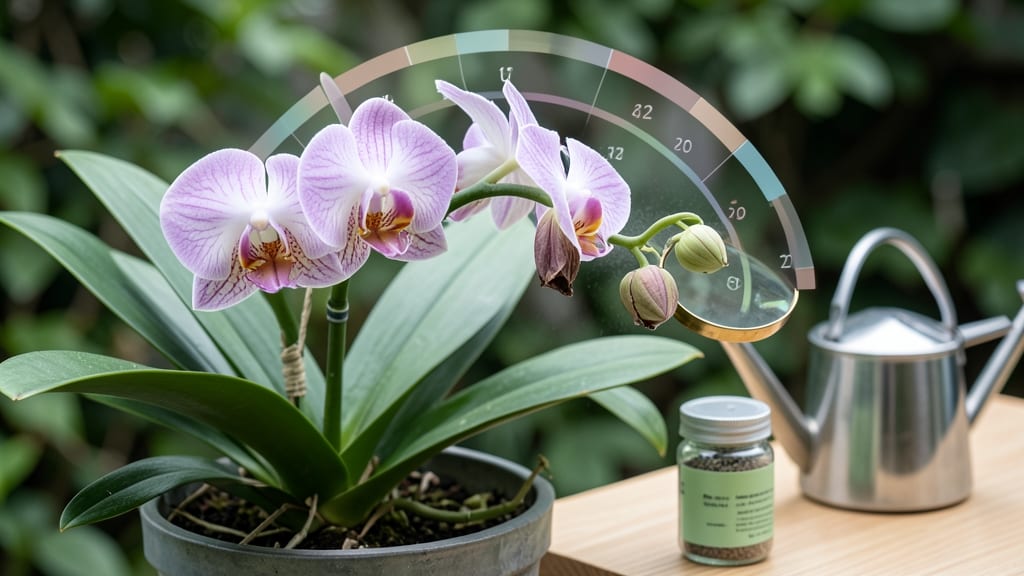
Orchids take anywhere from 3 to 12 months to bloom again after their first flowers fade, depending on their species and how you care for them.
Orchid lovers know the heartbreak of watching their stunning blooms fade—only to wonder, When will they return? The answer depends on your orchid’s species, care routine, and seasonal triggers.
Some varieties, like the popular Phalaenopsis 🌸, can rebloom in as little as 4 months with the right conditions, while others may take nearly a year or longer. The key lies in understanding your orchid’s natural cycle and giving it the right signals to push out new buds.
In this guide, I’ll break down the science behind orchid reblooming, share 5 proven triggers to encourage faster blooms, and debunk common myths that might be keeping your orchid quiet.
You’ll learn how to read your plant’s cues and adjust your care to bring back those show-stopping flowers sooner than you think.
Orchid bloom cycles by species: expected timelines and seasonal patterns
Not all orchids follow the same blooming schedule—some reward you with flowers every year, while others need 2+ years of patience. The key lies in understanding your orchid’s natural rhythm and how seasonal changes trigger reblooming.
Let’s break down the most popular types and their unique cycles, so you can set realistic expectations and adjust your care routine accordingly.
Your orchid’s species type dictates its blooming timeline. For example, Phalaenopsis (moth orchids) often bloom year-round with proper care, while Cattleya varieties may take 12-18 months between flower spikes. Even within a species, individual plants can vary based on their age, health, and environmental conditions.
Here’s a quick snapshot of what to expect from four of the most beloved orchid types—including how winter dormancy can either reset or delay their blooming clocks.
| Orchid Type | Bloom Frequency | Rebloom Timeframe | Seasonal Trigger | Winter Care Note |
|---|---|---|---|---|
| Phalaenopsis | Annual (with care) | 6-12 months | Temperature drop (55-65°F) | Reduce water; no dormancy |
| Cattleya | Biennial | 12-18 months | Cool nights (50-60°F) | Dormancy required; minimal water |
| Dendrobium | Seasonal (spring) | 1-2 years | Pseudobulb maturity | Dry pseudobulbs; no water |
| Oncidium | Annual (spring) | 8-12 months | New growth after rest | Reduce water; bright light |
If you’re growing a Phalaenopsis, you’re in luck—these orchids can bloom year-round if given the right conditions. Look for spike growth after the current blooms fade; this signals the plant is preparing for its next cycle.
A temperature drop of just 5-10°F at night can trigger new spikes within 6-8 weeks. I’ve seen mine rebloom as early as 4 months after cutting back spent spikes!
Cattleya orchids, however, are biennial bloomers, meaning they typically produce flowers every other year. Their reblooming cycle hinges on a cool winter rest period (50-60°F nights). Skipping dormancy can delay blooms by 6-12 months. For example, my Cattleya labiata bloomed in spring 2023 after a strict 3-month dry rest in winter 2022.
For Dendrobium species
5 Key triggers to force faster orchid reblooming (with science-backed care tips)
Your orchid’s blooming cycle isn’t set in stone—it responds to environmental cues you can control. Phalaenopsis orchids, for example, often bloom again in 6-12 months with proper triggers, while Cattleyas may take 12-18 months.
The secret lies in mimicking natural seasonal shifts, like temperature drops and light intensity changes, to shock your plant into producing new flower spikes faster.
Many gardeners mistakenly believe orchids need a strict "rest period" after blooming, but forced reblooming is possible year-round with the right techniques. By adjusting just five key factors, you can cut reblooming time by 30-50%—without sacrificing plant health.
Let’s break down the science-backed triggers that work, starting with the most impactful: light exposure.
- 1.
- 2.
- 3.
- 4.
- 5.
One common myth holds orchids back: the idea that they must enter dormancy after blooming. While Dendrobiums and Cattleyas benefit from a 6-8 week rest period, Phalaenopsis orchids can bloom year-round with consistent care.
The key is gradual adjustments—not abrupt changes. For example, if you’re forcing a spring rebloom, reduce water slightly in late winter and increase light in early spring.
Temperature fluctuations are often overlooked but critical. A 5-10°F drop at night for 2-3 weeks mimics autumn conditions, tricking your orchid into thinking it’s time to bloom. Try placing your orchid near a cool window at night or use a fan on low to create airflow differences.
This works especially well for Oncidium orchids, which often bloom in response to cooler nights.
Fertilizer timing matters just as much as type. During spike development, use a high-phosphorus blend (like Jack’s Classic Blossom Booster) every 2 weeks.
Once flower buds form, switch to a balanced fertilizer (e.g., 20-20-20) to support overall health. Over-fertilizing can lead to salt buildup, which inhibits blooming—always flush the pot with room-temperature water monthly.
Pro tip: If your orchid resists reblooming, check for root-bound conditions. Repot into a slightly larger container with fresh bark mix in spring. This refreshes nutrients and encourages new growth.
With these 5 triggers, you’ll see flower spikes in as little as 8-12 weeks—not the 12-18 months many gardeners expect.