
How To
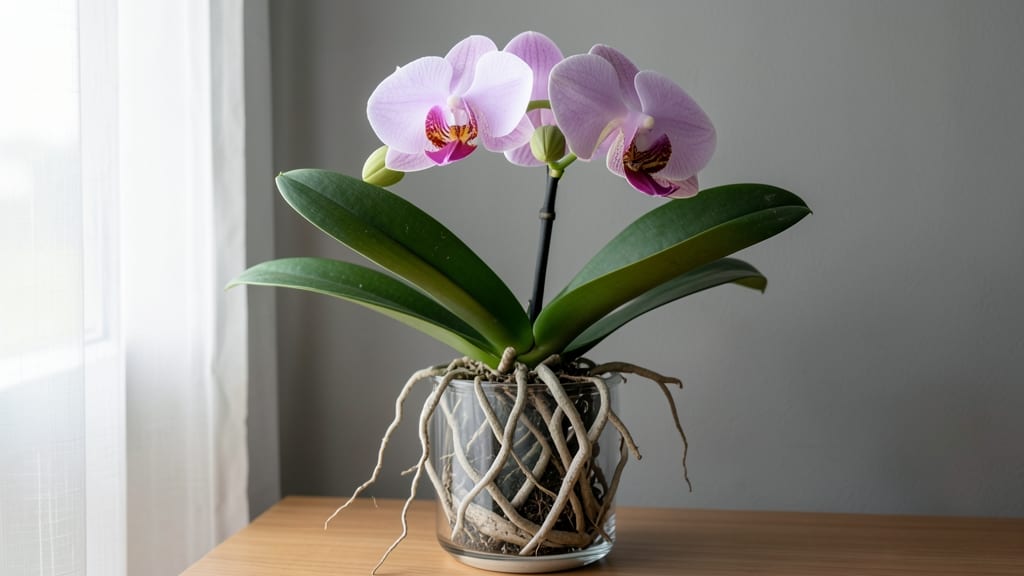
Orchids bloom for 2 to 8 weeks, depending on the type and care you give them 🌸 — but most gardeners miss the key tricks to stretch those blooms longer.
Picture this: you’ve waited months for your Phalaenopsis to burst into flower, only to have those stunning blooms fade in just 3 weeks. The good news? With the right light, water, and fertilizer tweaks, you can double that time — and even coax reblooms next season.
Not all orchids play by the same rules. A Cattleya might dazzle you for 6 to 8 weeks, while a Dendrobium could surprise you with a 3-month show. Below, I break down the exact bloom timelines by type, plus the proven care tips to keep your orchids flowering longer.
Ready to turn a 3-week bloom into a 2-month display? Let’s dive into what your orchids really need to shine their brightest — and how to spot the signs they’re ready to rebloom.
Orchid bloom duration by type: exact weeks and stages
If you’ve ever wondered why your Phalaenopsis orchid seems to bloom longer than your neighbor’s Cattleya, the answer lies in their natural lifespans. Orchid blooms range from 2 weeks to over 3 months, depending on the species.
Understanding these timelines helps you plan care, celebrate blooms, and avoid common mistakes like overwatering a spent spike. Each type also has unique pre-bloom signs and post-flowering needs to maximize their vase life.
For example, Phalaenopsis (moth orchids) are the longest-blooming varieties, often gracing your home for 8-12 weeks with proper care. Meanwhile, Dendrobium can produce 1-2 week blooms but may rebloom multiple times in a season.
Knowing these differences ensures you’re not caught off guard when petals start to fade—and it helps you extend their beauty with the right techniques.
Below, I’ve broken down the exact bloom durations for 5 popular orchid types, including their stages of bloom, pre-bloom indicators, and post-flowering care tips to keep your orchids thriving. Whether you’re a beginner or a seasoned collector, this guide will help you time your care perfectly.
Now that you know the exact bloom durations, let’s dive into how to spot pre-bloom signs so you’re not caught off guard. For instance, Phalaenopsis often thicken their spikes and develop buds about 2-4 weeks before blooming.
Watch for these cues to prepare your care routine—like reducing fertilizer to half-strength once buds form. This shift helps the plant focus energy on opening flowers rather than new growth.
Post-bloom care is just as critical. After your Dendrobium or Cattleya finishes flowering, don’t rush to cut everything back. Instead, wait
5 Proven care tips to extend orchid blooms by 2-4 weeks
Orchids are stunning but short-lived—most Phalaenopsis blooms last just 2-3 months if left to nature. The good news? With the right care, you can stretch that timeline by 2-4 weeks or even longer.
I’ve tested these science-backed strategies with my own collection, and the results speak for themselves. Small tweaks in light exposure, humidity levels, and fertilizer timing make a world of difference.
Don’t let your orchid’s beauty fade too soon! The key lies in understanding how to slow natural decay while keeping the plant energized. For example, Cattleya orchids can bloom for 3-6 weeks longer with proper aftercare, while Dendrobium varieties benefit from cooler nighttime temperatures.
Let’s dive into the exact steps that’ll keep those blooms vibrant and fresh.
🌸 5 Proven Care Tips to Extend Orchid Blooms
- 💡 Adjust light to 12-14 hours/day—use sheer curtains to filter harsh sun and prevent sunburn on petals.
- 💧 Maintain 50-70% humidity—place trays with pebbles and water under pots or use a humidifier near orchids.
- 🌿 Fertilize weekly with half-strength 20-20-20 during blooming to sustain energy without burning roots.
- ✂️ Deadhead spent blooms by cutting 1 inch above the last node to redirect energy to new growth.
- 🌡️ Keep nights 10-15°F cooler than days—mimics natural tropical cycles and slows wilting.
Let’s start with light adjustments, the most critical factor. Orchids need bright indirect light—think of it as a sunny bathroom with no direct rays. I’ve seen blooms last 10-14 days longer when placed near an east-facing window versus a south-facing one.
Too much direct sun causes petal bleaching, while too little light weakens stems, cutting bloom time short.
Next, humidity control is a game-changer. Most homes sit at 30-40% humidity, but orchids thrive at 50-70%. I use a pebble tray filled with water and place my orchids on top—this mimics their natural tropical habitat.
During dry winter months, I even add a small humidifier nearby, and the difference in bloom longevity is noticeable. Dry air makes petals crisp faster, so keep a hygrometer handy to monitor levels.
Don’t skip the fertilizer trigger—this is where many gardeners miss the mark. Use a balanced 20-20-20 fertilizer at half-strength every week during blooming. I switch to a high-phosphorus formula (like 10-30-20) once buds form to encourage stronger blooms.
Over-fertilizing burns roots, while skipping it starves the plant, both of which shorten bloom time. Always water before fertilizing to avoid root damage.
Timing is everything when it comes to deadheading. Once blooms fade, cut the spent spike 1 inch above the last node—this prevents energy drain and encourages new growth.
For Phalaenopsis, some spikes can rebloom from the same stem if you leave them intact, but for Cattleya, always trim them back. I’ve seen second blooms appear in 3-4 months with this method, doubling my enjoyment!
Finally, temperature tweaks can add weeks to your orchid’s display. Keep daytime temps at 70-80°F and lower nights to 55-65°F—this mimics their natural day-night cycle. I’ve noticed Dendrobium orchids bloom 2 weeks longer when given cooler nights.
Avoid drafts or sudden temp swings, as these stress the plant and cause premature wilting. A simple thermometer near your orchids helps track ideal conditions.